




The New Audio Heartland
For years, the Indian podcasting scene was dominated by English-language shows produced in major metropolitan hubs. But a seismic shift is underway. Propelled by ubiquitous smartphones and some of the world's most affordable data, the digital content
revolution has moved decisively into Tier-2 and Tier-3 cities. This has created fertile ground for a new generation of creators who are bypassing traditional media to build loyal audiences in their own backyards. Cities like Indore in Madhya Pradesh and Patna in Bihar are emerging as vibrant centers for this new audio movement, proving that compelling content knows no geographical bounds.
Gen Z Voices, Local Flavors
At the heart of this boom are Gen Z creators, digital natives who are effortlessly blending global trends with hyper-local sensibilities. Unlike their metro counterparts who might cater to a pan-India or global audience, these creators are finding success by being unapologetically local. They are creating podcasts in languages like Hindi, Bhojpuri, and Malwi, discussing topics that resonate deeply with their communities—from local politics and student life to regional folklore and pop culture. This isn't just about translation; it's about transcreation, crafting content that reflects the unique dialects, humor, and cultural nuances of their specific regions. For listeners, the appeal is the powerful feeling of being heard and understood.
The Power of Relatability
The secret ingredient to this explosion is relatability. Studies have shown that the vast majority of new internet users in India prefer content in their native languages. This audience, often from non-metro areas, has long been underserved by mainstream media that defaults to English or a standardized form of Hindi. Vernacular podcasts fill this gap, creating a powerful sense of connection and trust. Listeners are more likely to engage with content that feels authentic and speaks their language, leading to higher engagement rates and stronger community formation around these shows. For many, hearing their own dialect in a polished podcast format is a validating experience, signaling that their culture has a place in the modern digital landscape.
Democratizing the Mic
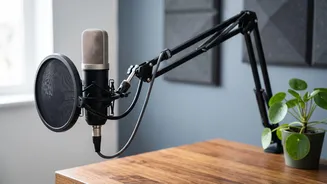
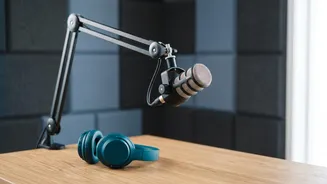
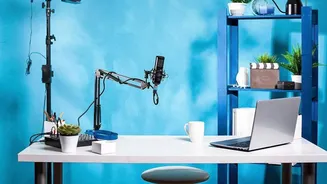
This creator-led movement has been made possible by the democratization of production tools. High-quality microphones are more affordable than ever, and free or low-cost software allows anyone with a smartphone and a quiet room to record and edit professional-sounding audio. Platforms like Spotify and YouTube have also invested heavily in courting Indian creators, offering tools and resources to make publishing and distribution seamless. This has lowered the barrier to entry to almost zero, empowering young people in cities like Patna and Indore to become media entrepreneurs without needing the capital or connections previously required to break into the industry. One podcast studio in Indore, for example, is already providing a professional platform for local creators to produce high-quality video and audio podcasts.
The Monetization Challenge
Despite the rapid audience growth, the path to financial success for these regional creators remains challenging. While the Indian podcasting market is projected to grow significantly, monetization for vernacular content is still in its nascent stages. Major national brands have been slower to invest in regional advertising, often focusing on the more established English and Hindi markets. However, this is beginning to change. Creators are exploring diverse revenue streams, including local brand sponsorships, direct listener support through subscriptions and micro-payments, and creating branded content for regional businesses eager to reach this highly engaged audience. As measurement tools become more sophisticated, demonstrating the clear return on investment from these niche audiences will be key to unlocking larger advertising budgets.