






The New Fitness Wave
Across India’s metropolitan cities, fitness studios are witnessing a surprising and heartening trend. Classes once dominated by millennials seeking high-intensity workouts are now making way for programmes tailored to the nation's aging population. Fitness
centres, typified by the success seen at studios in major metros, are reporting unprecedented demand for exercises focused on 'mobility aging'. This isn't about building beach bodies; it's about building resilience for the golden years. The surge in registrations signifies a powerful cultural shift, where seniors are no longer passive recipients of care but active architects of their own well-being. They are investing in their physical independence, seeking not just to live longer, but to live better.
What Are 'Mobility Aging' Exercises?
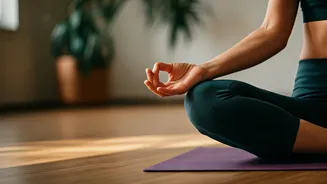
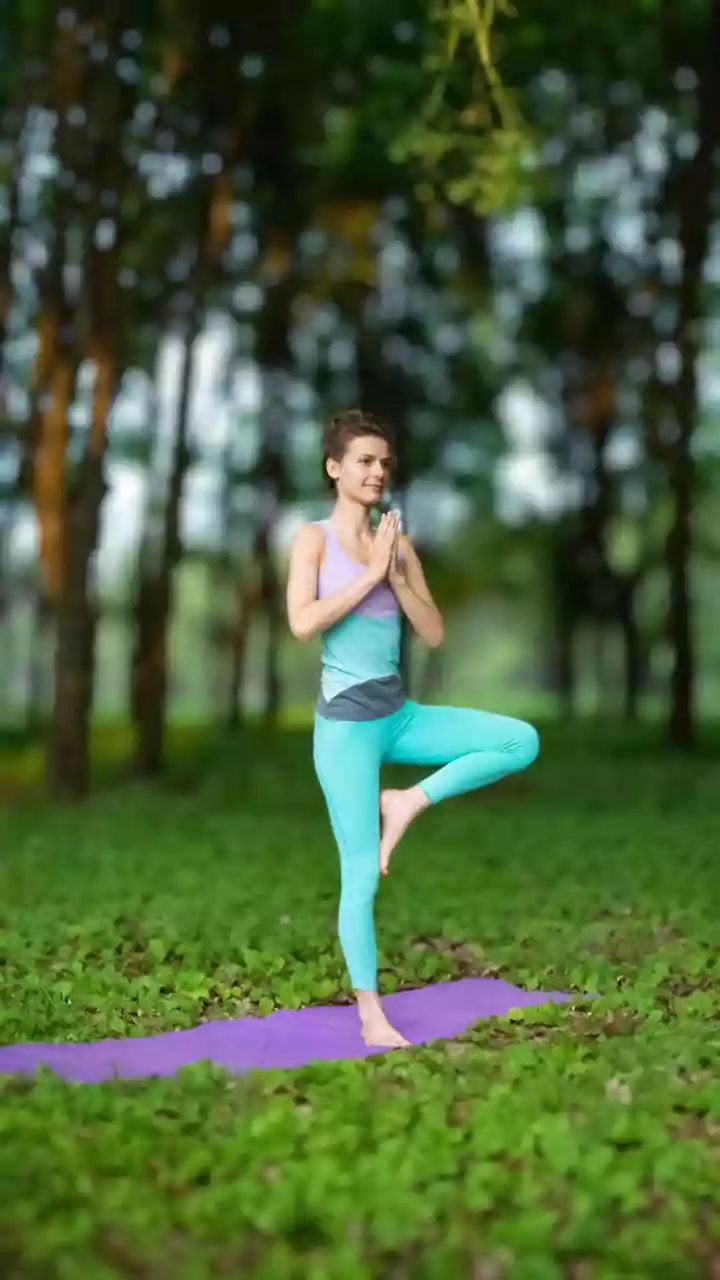
So, what exactly are these classes that are drawing crowds? Forget punishing reps and intimidating machinery. Mobility-focused exercises are gentle, functional, and deeply intentional. The curriculum often includes chair yoga, which adapts traditional poses to be accessible and supportive, improving flexibility without straining joints. Another popular choice is Tai Chi, a martial art known for its slow, flowing movements that enhance balance and coordination—two critical factors in fall prevention. Light resistance training using bands or small weights helps maintain muscle mass, which naturally declines with age. The core principle is functional fitness: training the body for the movements of everyday life, like getting up from a chair, reaching for an item on a high shelf, or maintaining stability while walking on uneven surfaces. The focus is on quality of movement over quantity of effort.
Beyond Preventing Falls
While the primary physical benefit is a reduced risk of falls and injury, the advantages of these programmes extend far beyond the physical. Regular, gentle exercise has been shown to have a profound impact on cognitive health, helping to maintain brain function and potentially delay the onset of age-related cognitive decline. Furthermore, these classes have become vital social hubs. For many seniors, especially those living alone or with reduced social circles, these group sessions combat the pervasive issue of loneliness. They foster a sense of community and shared purpose, creating friendships and support networks that are just as crucial to overall health as strong bones. The laughter and conversation between exercises are as much a part of the therapy as the stretches themselves.
A Cultural Shift in Aging
This trend is about more than just fitness; it reflects a fundamental change in how Indian society views aging. The traditional image of the elderly as frail and sedentary is being actively dismantled by the very generation it sought to define. Today’s seniors are more informed, digitally connected, and proactive about their health than any generation before them. They are reading about wellness, watching videos online, and discussing health options with their children and peers. They understand that investing in mobility is an investment in dignity and autonomy. This proactive stance is reshaping family dynamics, where conversations are shifting from managing illness to promoting wellness. Fitness studios are simply responding to a demand that has been building for years, driven by a generation determined to write its own script for aging.
Expert's Take: An Essential Investment
Physiotherapists and geriatric specialists overwhelmingly support this trend. They stress that for seniors, exercise is not a luxury but a necessity. As one Mumbai-based physiotherapist explains, “We often see patients after a fall, when the damage is already done. Proactive mobility work is the best insurance you can get against such events.” Experts point out that maintaining mobility helps manage chronic conditions like arthritis and diabetes, improves sleep quality, and boosts overall mood. The key, they note, is consistency and proper form, which is why supervised classes are so beneficial. An instructor can correct posture and adapt exercises to individual limitations, ensuring that the activity is both safe and effective.