






The Rise of the Robot Recruiter
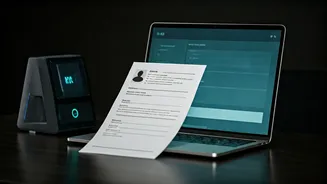
For anyone who has sent a job application into the digital void only to hear nothing back, the culprit may not be a busy hiring manager but an algorithm. Companies across India and the world are increasingly relying on artificial intelligence, particularly
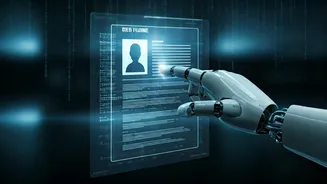
Applicant Tracking Systems (ATS), to manage the overwhelming volume of CVs they receive. These systems act as automated gatekeepers, scanning resumes for specific keywords, qualifications, and formats that match a predefined job description. The appeal for businesses is clear: AI promises to make recruitment faster, more efficient, and seemingly more objective by screening hundreds of applications in minutes. This automation frees up human resources teams from repetitive tasks, allowing them to focus on later stages of the hiring process, like interviews and negotiations. However, this efficiency comes at a cost, and the promise of perfect objectivity is often an illusion.
Cracks in the Algorithmic Armour
The problem is that AI systems are only as smart as the data they are trained on. If a company's past hiring decisions were biased, the AI will learn and amplify those same biases, potentially discriminating against candidates based on gender, race, or background without any malicious intent. For example, an AI trained on the CVs of a company's historically male-dominated tech team might learn to penalise applications from women. Furthermore, these systems are often rigid. They struggle with nuance, such as understanding career gaps, transferable skills from unconventional backgrounds, or the creative potential that a human eye might spot. A highly qualified candidate could be rejected simply because their CV uses synonyms for keywords the ATS is programmed to find, or because it features formatting like tables or graphics that the software can't parse correctly.
The Irreplaceable Human Element
This is where human insight becomes non-negotiable. While an AI can match keywords, it cannot assess cultural fit, interpret subtle cues, or gauge a candidate's potential for growth. A human recruiter can read between the lines, recognising that a candidate from a non-traditional background might possess the exact resilience and adaptability the team needs. They can understand the context behind a career change and evaluate soft skills like communication, empathy, and leadership, which are notoriously difficult for machines to quantify. Human oversight is also a critical check against algorithmic bias. By reviewing the shortlists generated by AI, recruiters can spot and correct discriminatory patterns, ensuring that the hiring process is not only efficient but also fair and legally compliant. A company that combines AI tools with human review can significantly reduce biased outcomes.
Making AI Work For You, Not Against You
For job seekers navigating this landscape, the key is to create a CV that satisfies both the robot and the human. This involves a degree of optimisation. Ensure your CV has a clean, simple format without complex tables or graphics. Use standard section headings like “Work Experience” and “Skills”. Carefully tailor your CV for each application by incorporating the exact keywords and phrases used in the job description. However, avoid “keyword stuffing” – simply listing terms without context – as this will be a red flag for the human recruiter who eventually reads it. The goal is to get past the initial AI filter without sacrificing the authentic narrative of your career and accomplishments that will appeal to a person. Remember that if you pass the AI screening, the document still needs to impress a human being.
The Future is Human-AI Collaboration
Ultimately, the debate should not be about AI versus humans, but about how they can best work together. The future of recruitment lies in a collaborative model where AI handles the high-volume, data-heavy tasks, and humans focus on high-value, nuanced evaluations. AI can screen, schedule, and handle initial communications, freeing up recruiters to build relationships, conduct meaningful interviews, and act as strategic talent advisors. By letting technology remove the friction and administrative burden, the hiring process can ironically become more human. Companies that embrace this balanced approach will not only make fairer and more effective hiring decisions but will also attract the best talent by creating a process that is both efficient and empathetic.