




Understanding the 'K': What is a Karat?
Before diving into the 22K versus 24K debate, it's essential to understand what 'karat' (K) means. Karat is the unit used to measure the purity of gold. The scale runs from 0 to 24. Therefore, 24K gold is the purest form of gold you can get. Since pure gold is naturally
very soft and malleable, it is often mixed with other metals, called alloys, like copper, silver, and zinc to increase its strength and durability. The karat number tells you the ratio of pure gold to these other alloys in the piece.
The Purity of 24K Gold
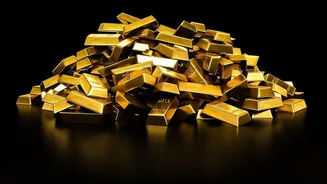
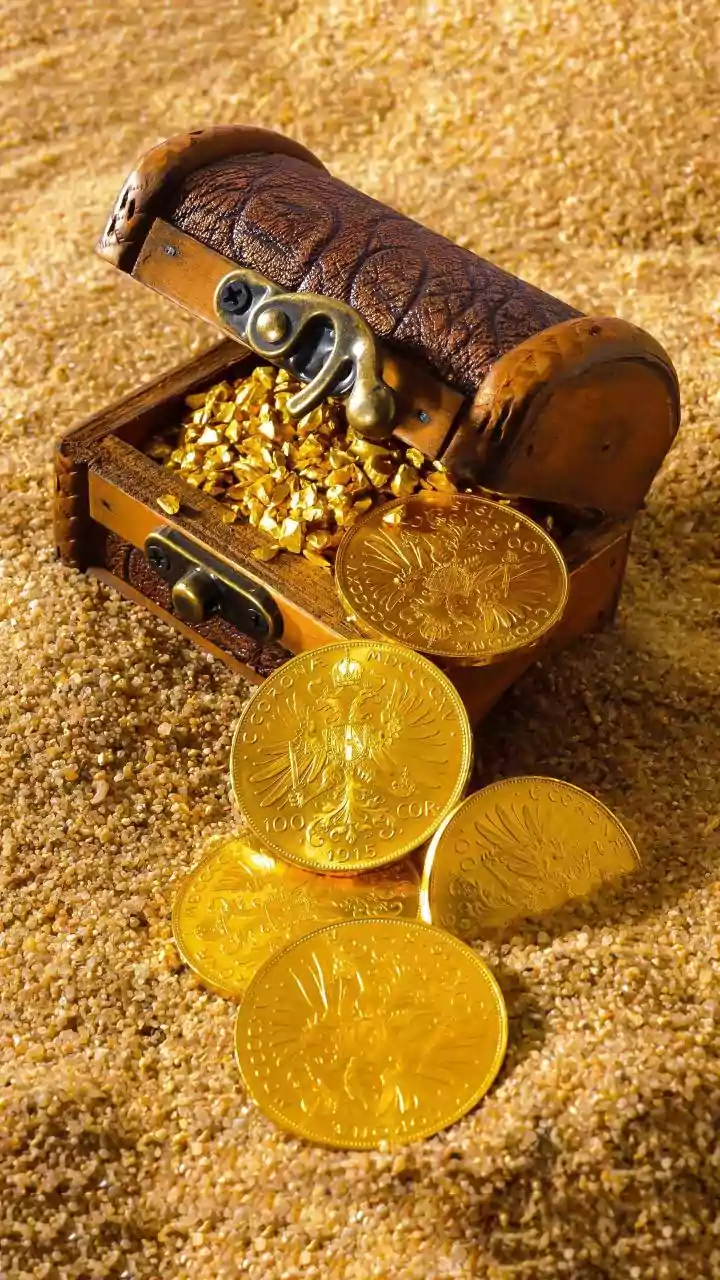
24K gold is considered pure gold, containing 99.9% gold content. There is no higher purity of gold available. It has a distinct, bright, and rich yellow colour that is unmatched. However, this purity comes with a trade-off: softness. 24K gold is very malleable and delicate, making it prone to scratching, bending, and denting with daily use. Because of this, it is generally not recommended for most types of jewellery, especially pieces that are worn regularly like rings and bracelets. Its primary use is for investment purposes in the form of gold coins and bars, where purity is the most important factor.
The Practicality of 22K Gold
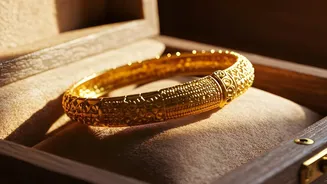
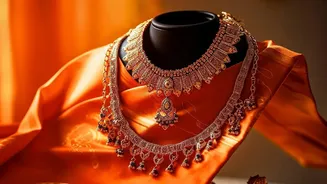
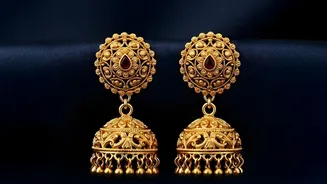
22K gold, also widely known as '916 gold', is composed of 22 parts pure gold and two parts other metals, which means it has a purity of 91.67%. Those two parts of alloy metals—typically copper, silver, or zinc—are added to make the gold harder and more durable. This makes 22K gold strong enough to withstand the rigours of daily wear. While still possessing a rich golden hue, it is significantly more practical for crafting intricate and sturdy jewellery designs that can hold gemstones securely. In India, 22K gold is the traditional and most popular choice for making jewellery for this very reason.
For Jewellery: Durability Over Purity
When it comes to jewellery, 22K gold is almost always the better choice. Its superior durability means your ornaments are less likely to get damaged and will retain their shape over time. The softness of 24K gold makes it impractical for creating detailed designs or for setting precious stones, as the prongs holding the gems would be too weak. While some may prefer the intense colour of 24K gold for ceremonial pieces not meant for frequent handling, 22K offers the perfect balance of high purity, beautiful colour, and essential strength needed for long-lasting jewellery. For even more durability, especially in modern or diamond-studded designs, many jewellers also use 18K (75% gold) and 14K (58.3% gold) options.
For Investment: Purity Reigns Supreme
If your primary goal is investment, 24K gold is the undisputed winner. When you buy gold as a long-term asset, you are paying for the highest possible gold content. This is why investment-grade gold is typically sold as 24K coins and bars. While 22K jewellery is also a form of investment, its value at the time of resale is subject to deductions for making charges, which can be significant for intricately designed pieces. 24K gold bars and coins have minimal to no making charges, ensuring their value is tied as closely as possible to the fluctuating market price of pure gold.
Always Check for the Hallmark
Regardless of whether you choose 22K or 24K, it is crucial to buy only hallmarked gold in India. The Bureau of Indian Standards (BIS) hallmark is a certification that guarantees the purity of the gold. A hallmarked piece will have the BIS logo, the karat purity and fineness (e.g., 22K916 for 22K gold), and a unique identification code. This ensures you are protected as a consumer and are getting the exact purity you are paying for.