







The 'Conversational Pace' Explained
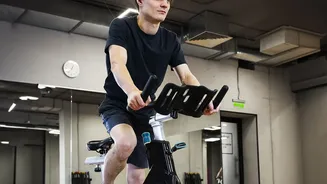
Forget breathless sprints and high-intensity intervals that leave you gasping. Zone 2 cardio is defined by a low-to-moderate level of effort. It sits at roughly 60-70% of your maximum heart rate. Think of it as the “conversational pace”—an intensity where
you are working and breathing is deeper, but you can still comfortably hold a conversation in full sentences. If you can sing, you’re likely in Zone 1 (too easy); if you can only get a few words out, you’ve strayed into Zone 3 or higher (too hard). This moderate intensity is the key to its unique benefits, building a solid aerobic foundation without the high recovery cost.
Building a Stronger, More Efficient Heart
Sustained time in Zone 2 provides profound benefits for your cardiovascular system. This type of training strengthens the heart muscle, making it more efficient at pumping blood. It increases the heart's stroke volume, which is the amount of blood pushed out with each beat. A stronger, more efficient heart doesn't have to work as hard during daily activities or rest, which can lead to a lower resting heart rate and better overall circulation over time. This builds your aerobic engine and has been linked to a reduced risk of long-term cardiovascular issues.
Energised, Not Exhausted: The Science
Herein lies the magic for the desk-bound professional: why doesn't it make you tired? The answer is fuel. High-intensity workouts primarily burn carbohydrates (glycogen) for quick energy, which can lead to a subsequent energy crash and significant fatigue. Zone 2 training, however, primarily uses fat as its fuel source. Fat is a slower, more stable energy source, allowing your body to generate power for long durations without draining your fast-access energy stores. This process improves your body's mitochondrial function—the powerhouses of your cells—making you more metabolically efficient. The result is you finish your workout feeling refreshed and energised, not depleted and ready for a nap at your desk.
How to Find Your Zone-2 Walking Pace
You don't need a lab to find your Zone 2. The simplest method is the 'Talk Test' mentioned earlier: walk at a pace where you can chat but not sing. For a more data-driven approach, you can estimate your maximum heart rate (MHR) with the formula: 220 minus your age. Your Zone 2 target is then 60-70% of that number. For a 40-year-old, the estimated MHR is 180, making their Zone 2 range approximately 108-126 beats per minute. For many people, a brisk walk covering a mile in 15-20 minutes is sufficient to enter Zone 2. However, pace is individual. If a flat walk feels too easy, increasing the incline on a treadmill or finding a hilly route can help elevate your heart rate into the target zone.
Fitting It Into Your Workday
The accessibility of brisk walking makes it the perfect Zone 2 exercise for busy professionals. The goal is consistency. Aim for three to four sessions per week, each lasting between 30 and 60 minutes. This could be a focused walk during your lunch break, a 'walking meeting' on the phone, or a brisk stroll to decompress after your workday. Unlike high-intensity training, which requires significant recovery, Zone 2 is low-impact and places minimal stress on your body, making it easier to perform frequently without risking burnout or injury. It's a sustainable habit that builds fitness without demanding a huge recovery budget from your body.