



Chhena Poda from Odisha
Imagine a dessert that looks like a cake but tastes like a revelation. That's Chhena Poda for you. Hailing from Odisha, its name literally means 'burnt cheese'. This delicacy is made from fresh, kneaded chhena (cottage cheese), sugar, and semolina, which
is baked for hours until it develops a beautiful, caramelized brown crust. The magic lies in this caramelization, which gives the sweet a subtly smoky flavour that perfectly complements its soft, milky interior. While traditionally baked in sal leaves for a distinctive aroma, this 'Indian cheesecake' was born from a happy accident when a confectioner left sweetened chhena in a hot oven overnight. Its unique texture and rich taste make it an unforgettable addition to any festive spread.
Putharekulu from Andhra Pradesh
Delicate, flaky, and almost translucent, Putharekulu is a sweet that is as much an art form as it is a dessert. Originating from Atreyapuram village in Andhra Pradesh, its name means 'coated sheets' in Telugu. It consists of paper-thin layers of rice starch, meticulously prepared by spreading a batter on a hot inverted pot. These sheets are then brushed with ghee and layered with powdered sugar or jaggery, and often filled with finely chopped nuts. The result is a sweet that melts in your mouth, offering a crisp yet delicate texture. With a history spanning centuries, Putharekulu is a symbol of celebration in the Telugu states and a testament to the patient artistry of its makers.
Thekua from Bihar
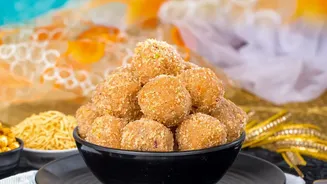
Deeply traditional and satisfyingly crunchy, Thekua is a rustic biscuit-like sweet that is central to Bihar's most important festival, Chhath Puja. Made from whole wheat flour, ghee, and sweetened with jaggery, the dough is often spiced with fennel and cardamom. Before being deep-fried, each piece is pressed into intricate wooden or brass moulds, giving it a beautiful, decorative pattern. The name 'Thekua' itself is derived from the word for 'to press'. With an excellent shelf life, these sweets were traditionally sent by post to family members living far from home. Its honest, earthy flavours and satisfying crunch make it a perfect, long-lasting treat for Diwali snacking.
Singori from Uttarakhand
From the Himalayan state of Uttarakhand comes Singori, a delicate sweet with a unique presentation. It is made from khoya (reduced milk solids) that is sweetened and often mixed with grated coconut. This soft, creamy mixture is then shaped into a cone and wrapped in a Maalu leaf, which imparts a subtle, distinct aroma and flavour. Historically a delicacy of the Garhwal region, it is also strongly associated with Almora in Kumaon. Sometimes compared to Kalakand or Sandesh in texture, the leaf-wrapping sets it apart, making it a truly special treat. Unwrapping a Singori is part of the experience, revealing a sweet that is simple, fragrant, and deeply connected to its mountainous origins.
Patoleo from Goa
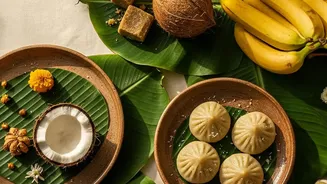
Patoleo are fragrant, steamed sweets from Goa and the Konkan coast that are a true celebration of local ingredients. A soft paste made from red rice is spread over a fresh turmeric leaf. This is then filled with a sweet mixture of freshly grated coconut, Goan jaggery, and cardamom. The leaf is folded and sealed, and the parcels are steamed, infusing the sweet with the incredible aroma and flavour of the turmeric leaf. While traditionally made for the feast of the Assumption in August, its unique, aromatic sweetness makes it a wonderful and surprising addition to a Diwali platter. Each bite is soft, sweet, and wonderfully fragrant.