





From Occasion-Wear to an Everyday Asset
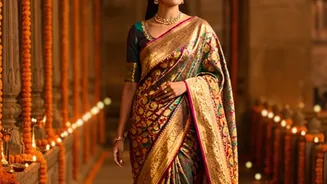
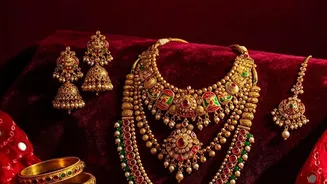
For generations in India, fine jewellery was synonymous with major life events—weddings, festivals, and family milestones. It was often elaborate, heavy, and spent most of its life in a locker, seen more as a ceremonial treasure than a wearable asset.
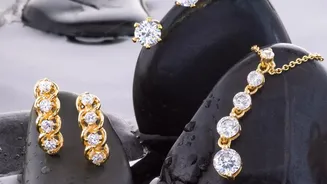
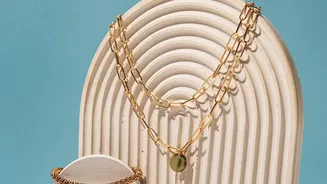
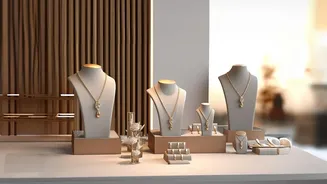
Today, that perception is undergoing a radical shift, especially among Gen Z and millennials. Young buyers are moving away from purchasing jewellery as a rare, occasion-led activity. Instead, they are drawn to lightweight, versatile pieces that can be worn daily, from the office to a night out. This 'cost-per-wear' logic transforms a luxury purchase into a practical one. A simple gold chain or a pair of diamond studs that you wear 300 days a year often delivers more personal value than an extravagant set worn twice a decade. This shift is not just about changing tastes; it reflects a new financial mindset where personal assets are expected to be both beautiful and functional.
Quiet Luxury and a New Definition of Wealth
The cultural shift from 'loud luxury' to 'quiet luxury' is a significant driver behind this trend. For many young people, wealth is no longer about overt displays. Instead, it's about confidence, personal growth, and financial independence. Minimalist fine jewellery aligns perfectly with this ethos. It doesn't shout; it whispers. A slim platinum band or a delicate bracelet made of high-purity gold signifies taste and an appreciation for quality over quantity. This generation is less about inheriting status and more about building their own. Buying fine jewellery is now often a personal decision rather than a family one, with nearly two-thirds of young Indians making these purchases for themselves. These pieces become symbols of personal achievement—a first salary, a promotion, or simply a commitment to investing in oneself. The focus has moved from what gold represents socially to what it enables individually.
The Powerful Pull of Conscious Consumerism
Today’s youth are more informed and ethically conscious than any generation before them. They ask difficult questions about where their products come from, and the jewellery industry is no exception. Concerns about the environmental impact of mining and unethical labour practices have made sustainability a crucial factor in purchasing decisions. This has fueled interest in materials like recycled gold and lab-grown diamonds, which offer transparency and a smaller environmental footprint. While natural diamonds are still seen by many as holding superior long-term investment value, lab-grown diamonds are chemically and optically identical and available at a fraction of the price. This affordability allows young buyers to invest in a tangible, beautiful asset without the ethical conflict or financial strain, making luxury feel more accessible and responsible.
Gold's Enduring Appeal, Reimagined
Despite the changing trends, gold remains a cornerstone of investment for young Indians. A 2026 survey found that 62% of youth would choose gold over stocks, mutual funds, or crypto for an investment of Rs 25,000. What has changed is the form of that investment. While digital gold and ETFs are gaining popularity for their liquidity and purity, minimalist jewellery offers a unique proposition: it's an investment you can enjoy. Unlike a stock certificate or a digital holding, a piece of jewellery is a tangible asset that retains the intrinsic value of its precious metal. Young consumers are savvy, often opting for 18K or 21K gold to balance durability for daily wear with high intrinsic value. They see these pieces not just as adornments, but as a stable, portable, and beautiful store of wealth that sidesteps the making charges and design premiums of more traditional, ornate pieces.