


The Non-Negotiable Warm-Up
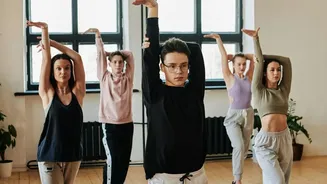
Before you even think about your first move, it's crucial to warm up your body. A proper warm-up increases blood flow to your muscles, prepares your joints for movement, and significantly reduces your risk of injury. Skipping this step can lead to strains
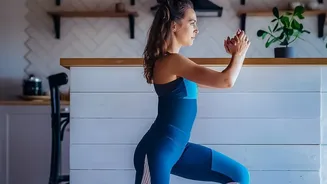
and sprains that will sideline your progress before you even start. Begin with five minutes of light cardio, like jogging in place or jumping jacks, to get your heart rate up. Follow this with dynamic stretches. These are active movements that take your body through a range of motion. Try gentle neck rolls, shoulder rolls, and arm circles. Leg swings (forward-and-back and side-to-side) are excellent for loosening up your hips. A few lunges with a torso twist will engage your core and legs, making sure your entire body is ready to move.
Finding Your Foundational Moves
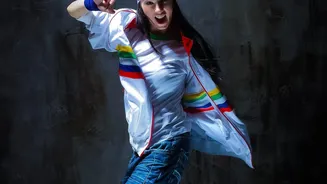
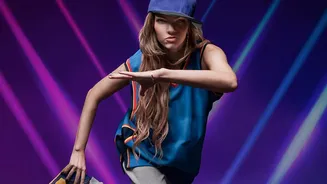
Freestyle isn't about complex choreography; it's about improvisation and finding what feels good. As a beginner, the goal is to build a small vocabulary of simple, core movements. Start with the basics, like a 'step-touch', where you step to one side and tap your other foot next to it. Another easy move is the two-step, simply shifting your weight from side to side to the rhythm of the music. Once you're comfortable, try simple hip sways or a gentle body roll by moving your chest and hips in a wave-like motion. Don't worry about looking perfect. The key is to listen to the music, find the beat, and let your body respond naturally. These foundational moves are the building blocks you can later combine and adapt as your confidence grows.
Golden Rules for Safe Dancing
As you get into the groove, keeping safety in mind will ensure your new workout is sustainable. The most common dance injuries come from overuse and affect the ankles, legs, feet, and lower back. First, listen to your body. Muscle soreness is normal, but sharp, persistent, or increasing pain is a sign you need to stop and rest. Second, create a safe space by clearing the floor of any hazards. Third, wear the right footwear. Running shoes are often too grippy for dance, which can lead to knee and ankle injuries because your foot sticks while your body turns. Look for lightweight, flexible trainers, sometimes called studio or cross-trainers, that offer cushion and support but allow for pivots and slides. Finally, stay hydrated and don't overdo it, especially at the beginning.
Building Confidence and Flow
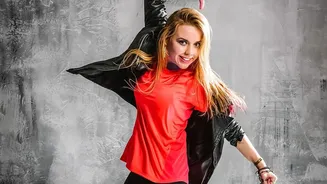
Once you have a few basic steps down, the fun begins. Start playing with combinations. Try transitioning from a step-touch into a hip sway. Add some simple arm movements to your two-step. Experiment with different dynamics: can you do a move faster or slower? Can you make it bigger or smaller? The goal is to move seamlessly from one step to another. Don't be afraid to look silly or make mistakes; it's part of the process. If you feel self-conscious, remember that freestyle is about personal expression, not performance. Putting on your favorite music can help you relax and let go. Over time, you'll develop a natural flow and a style that is uniquely yours.
The All-Important Cool-Down
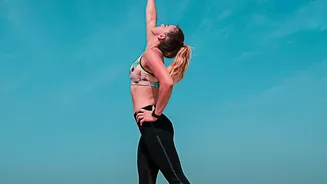
Just as important as the warm-up, a cool-down helps your body transition from exercise back to a resting state. It helps lower your heart rate gradually and can prevent muscle soreness and stiffness. After your dance session, spend about five to ten minutes on a cool-down. Start with a few minutes of slow walking to bring your heart rate down. Then, move into static stretches, where you hold a position for 20-30 seconds. Focus on the major muscle groups you've been using. Good cool-down stretches include a hamstring stretch (sitting and reaching for your toes), a quadriceps stretch (standing and pulling one foot toward your glute), and a hip flexor stretch (a low lunge). This final step aids recovery and improves your long-term flexibility.