




Jamun: The quintessential monsoon fruit
Jamun, or black plum, is a star of the rainy season for good reason. This fruit is packed with vitamin C and antioxidants that help bolster your immune system, shielding you from the coughs and colds that are common during this time. Its antibacterial
properties also promote digestive health, which is crucial as digestion tends to become weaker in the monsoon. According to Ayurvedic tradition, Jamun is excellent for balancing the body and is also valued for its low glycemic index, making it a good choice for managing blood sugar levels.
Pears: A fibre-rich immunity booster
Pears, locally known as nashpati, are another excellent monsoon fruit. They are particularly helpful in combating stomach flu, a common ailment during the rainy season. Pears are a great source of fibre, which aids digestion and helps prevent bloating and constipation. Rich in vitamin C, they contribute to a stronger immune system, helping your body ward off seasonal infections. Being low in calories, they make for a light yet nutritious snack.
Pomegranate: The versatile wellness pod
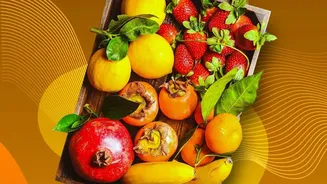
Pomegranates are celebrated for their impressive health benefits, making them a smart choice for your Shravan diet. The fruit is loaded with powerful antioxidants and has anti-inflammatory properties that support overall health. Consuming pomegranates can help boost your immunity and protect your body against various infections. They are a good source of several vitamins, including A, C, and E, which are vital for keeping your body’s defence mechanisms strong during the challenging monsoon weather.
Bottle Gourd (Lauki): The digestive soother
During Shravan and the wider monsoon period, Ayurveda recommends eating foods that are light and easy to digest. Bottle gourd, or lauki, fits this description perfectly. It is one of the most recommended vegetables for the season because it is gentle on the stomach and rich in water, which helps keep you hydrated. Its cooling nature and high fibre content make it effective in managing digestive issues. It's a key vegetable permitted during Shravan fasting, often prepared in simple, sattvic dishes.
Pointed Gourd (Parwal): The cold and flu fighter
Pointed gourd, or parwal, is a vegetable that thrives during the monsoon. It is traditionally used to help manage symptoms of cold, cough, and fever due to its beneficial properties. It's a nutrient-dense vegetable, rich in vitamins and fibre, while being low in calories. As a warm and easily digestible vegetable, it aligns well with the dietary advice for the rainy season, which focuses on supporting the body's digestive fire, or agni.
Bitter Gourd (Karela): The immunity powerhouse
While its taste might be an acquired one, bitter gourd’s health benefits are undeniable, especially during the monsoon. It is known to possess antiviral properties and is packed with vitamin C, which plays a critical role in strengthening the immune system against infections. This vegetable is also beneficial for skin health, which can be affected by the high humidity of the season. Including karela in your diet can be a proactive step towards staying healthy.
Corn (Bhutta): The beloved monsoon snack
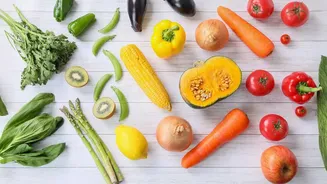
A monsoon evening in India feels incomplete without a roasted bhutta, or corn on the cob. Beyond being a delicious and comforting snack, corn is also a healthy choice. It provides a good amount of fibre, which is important for maintaining gut health when the digestive system is vulnerable. Corn also contains essential B vitamins and antioxidants that help protect your cells from damage, making this seasonal favourite a smart and satisfying addition to your rainy-day diet.