



A Return to Our Roots
There's a quiet revolution brewing in the beverage counters of India's cities. For years, café menus were a globalised affair, dominated by Italian coffee terms and French-vanilla-flavoured syrups. But now, chefs and mixologists are looking inward, turning
their backs on imported flavourings and embracing the vast, untapped pantry of India's own agricultural heritage. This isn't just about swapping one ingredient for another; it's a fundamental shift in philosophy. It's about celebrating local farmers, reducing carbon footprints, and creating flavours that are both innovative and deeply familiar. The result is a new beverage language, one that speaks of terroir, tradition, and a renewed sense of cultural pride.
The Tangy Star: Kokum
For generations, kokum (Garcinia indica) was a staple of coastal kitchens, primarily used as a souring agent in fish curries or churned into a digestive 'sol kadhi'. Today, this humble fruit is the new darling of the urban food scene. Its unique flavour profile—a clean, tart acidity with a subtle fruity sweetness—makes it incredibly versatile. Cafes are transforming it into artisanal sodas, tangy coolers, and even complex craft cocktails where it replaces imported ingredients like yuzu or vinegar. This modern makeover introduces kokum to a new generation, who may experience its cooling properties not in a traditional sherbet, but in a fizzy, Insta-worthy cooler. Beyond its taste, kokum is packed with health benefits, known as a natural digestive aid and a source of antioxidants.
The Ruby Bloom: Hibiscus
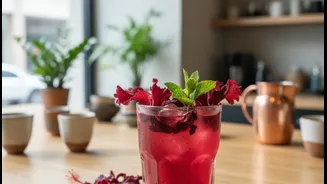
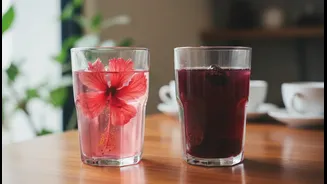
With its stunning ruby-red hue and tart, cranberry-like flavour, hibiscus has long been used in traditional teas and wellness concoctions around the world. In India, it's now blooming on cafe menus in spectacular fashion. The flower's vibrant colour and refreshing taste make it a natural fit for visually driven social media, but its appeal is more than just skin deep. Hibiscus is rich in Vitamin C and other antioxidants, aligning perfectly with the growing consumer demand for functional beverages that offer health benefits beyond simple refreshment. You can find it infused into iced teas, blended into lattes, or used as a base for kombucha. A 'Hibiscus Lychee Iced Tea', for example, is a common sight on new summer menus. Its use reflects a broader trend towards beverages that are both indulgent and healthful.
Why Now? The 'Glocal' Appeal
This botanical boom isn't happening in a vacuum. It is fuelled by several converging trends. Firstly, there's a post-pandemic surge in health awareness, with consumers actively seeking functional ingredients that boost immunity and aid digestion. Secondly, there's a growing desire for authenticity and sustainability. Diners are more curious than ever about the provenance of their food, and a drink made with locally sourced kokum tells a more compelling story than one made with foreign syrup. Finally, a new generation of Indian chefs and entrepreneurs are expressing their cultural confidence, creating products and experiences that are unapologetically Indian yet globally appealing. They are proving that local ingredients can be the stars of a modern, sophisticated menu.
Beyond the Dynamic Duo
While kokum and hibiscus are leading the charge, they are part of a much larger movement. Chefs are exploring the entire spectrum of India's botanical diversity. You might find drinks flavoured with Gondhoraj lime from Bengal, nannari (Indian sarsaparilla) from the South, or the electric purple jamun fruit during monsoon season. Even traditional Ayurvedic ingredients like ashwagandha are finding their way into 'adaptogenic' beverages designed to reduce stress. This exploration signals a maturation of the Indian food and beverage market, where regional pride and hyper-local sourcing are becoming key differentiators. It’s a move away from a monolithic idea of Indian food towards a celebration of its incredible diversity.