







Understanding a Calf Strain
Before exploring any remedy, it’s important to understand what a calf strain is. It occurs when you overstretch or tear the muscles in the back of your lower leg, the gastrocnemius or soleus. These injuries are common in sports that require sudden pushing
off, but can happen to anyone. Symptoms range from a mild pull to a severe, sharp pain that makes walking difficult. The standard medical advice for an acute strain is the RICE method: Rest, Ice, Compression, and Elevation. Doctors stress that during the first few days, you should avoid activity, heat, and massage to prevent further damage and reduce swelling.
The Allure of 'Earthing'
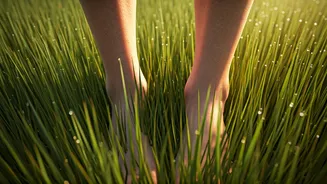
The idea that walking barefoot on grass is healing stems from the concept of “earthing” or “grounding.” Proponents believe that direct skin contact with the Earth's surface allows for a transfer of free electrons from the ground into the body. This, they claim, can help neutralize free radicals, which are unstable molecules that contribute to inflammation and disease. Some small studies have suggested that grounding may reduce pain, stress, and inflammation, and even speed recovery from muscle soreness. One study noted that grounding appeared to accelerate recovery from delayed-onset muscle soreness, a type of muscle strain. While intriguing, much of the research is preliminary and more large-scale studies are needed to confirm these effects.
Barefoot Biomechanics and Your Calves
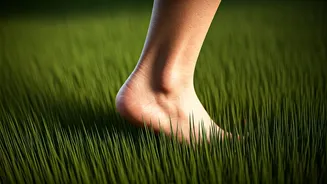
Setting aside the electrical theories, walking barefoot does change how you move. Modern, cushioned shoes can weaken the small muscles in our feet. Going shoeless encourages a more natural gait, often causing you to land on the midfoot or forefoot rather than the heel. This change can activate and strengthen muscles in your feet and lower legs, including the calves. Over time, this could lead to stronger, more resilient feet and improved balance. However, this transition is not without risk. For those accustomed to supportive shoes, a sudden switch to barefoot walking can put increased stress on the Achilles tendon and calf muscles, potentially worsening an existing strain or causing a new one.
The Reality Beneath the Grass
While the idea of a peaceful, healing walk is appealing, the reality is that you should not be walking on a fresh, acute calf strain. Doing so goes against standard medical advice for rest. Beyond that, walking barefoot outdoors carries its own set of risks. The most obvious danger is stepping on sharp objects like rocks, glass, or litter. There's also the risk of bacterial or fungal infections, such as athlete's foot or plantar warts, especially in public spaces. Even a pristine-looking lawn can hide hazards. For individuals with conditions like diabetes, which can affect sensation in the feet, even a small cut can become a serious problem.
A Safer Approach to Recovery
So, what's the verdict? For an acute calf strain, stick to the proven RICE protocol and rest. Walking, barefoot or otherwise, is not the first step. Once the initial pain and swelling have subsided and a doctor or physiotherapist gives you the green light, gentle activity is crucial for healing. At this stage, short, mindful walks on a safe, soft surface like a clean, familiar lawn could be a pleasant part of your recovery. Think of it less as a miracle cure and more as a way to gently re-engage your muscles, improve body awareness, and enjoy a calming moment. Always start slowly, listen to your body, and stop if you feel any sharp pain. Inspect your feet for cuts or scrapes afterwards.