


What Defines a Vintage Cake?
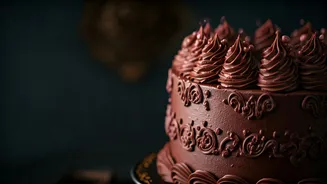
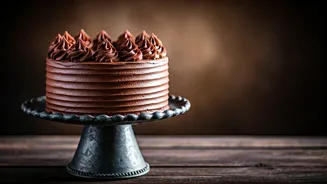
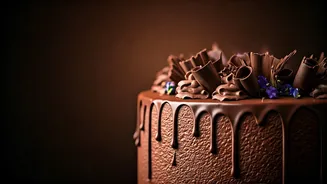
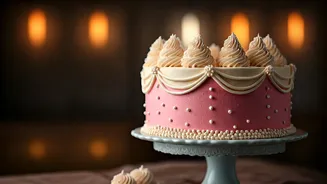
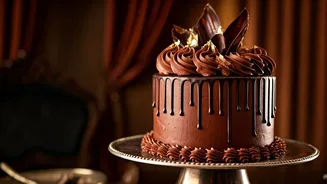
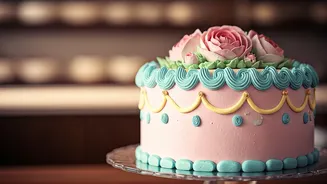
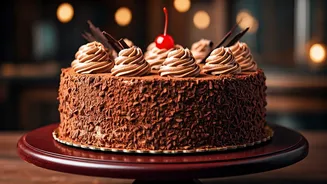
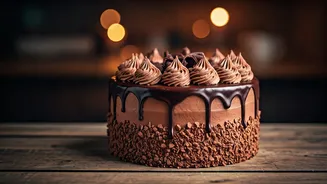
Before we dive into the why, let's define the what. A vintage cake, often associated with the Lambeth method of decorating popularised in the 1930s, is all about maximalism. Think towering layers of rich chocolate sponge, covered not in sleek fondant
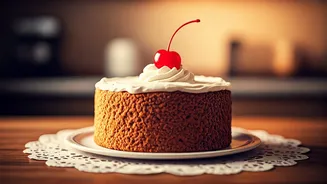
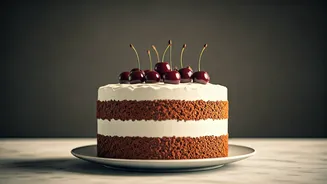
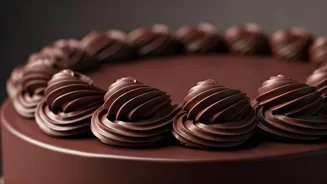
but in generous swirls of buttercream. The hallmarks are intricate, over-the-top piping techniques—ruffles, shells, swags, and delicate lacework—that create texture and drama. Often heart-shaped and adorned with details like maraschino cherries or edible pearls, these cakes are a far cry from the minimalist or 'naked' cakes that dominated the last decade.
A Sweet Slice of Nostalgia
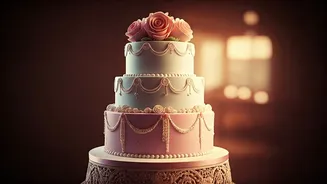
A huge driver of this trend is a collective craving for comfort and nostalgia. In a fast-paced, uncertain world, these cakes are edible throwbacks to a perceived simpler time—childhood birthdays, family gatherings, or grandparents' wedding photos. This turn towards the past isn't just about food; it mirrors trends in fashion and interior design where retro styles are being re-embraced. Bakers report that some clients even ask them to recreate the wedding cakes of their parents or grandparents, turning a dessert into an edible heirloom that connects generations. This emotional connection provides a sense of warmth and tradition that modern, minimalist designs sometimes lack.
The Social Media Effect
It’s impossible to ignore the role of social media in the vintage cake revival. Platforms like Instagram and TikTok are inherently visual, and the unapologetically bold, intricate designs of these cakes are made to be photographed. Their almost-too-pretty-to-eat appearance makes them an instant centerpiece and a guaranteed scroll-stopper. While minimalist cakes can look sophisticated, they often blend into a feed. A maximalist Lambeth-style cake, with its frills and dramatic piping, demands attention. This has created a viral loop: bakers showcase their impressive piping skills, influencers share the theatrical creations, and customers demand cakes that will make a statement at their own celebrations.
A Rebellion Against Minimalism
For years, the dessert world was dominated by a 'less is more' philosophy. Think naked cakes with exposed layers or sleek, stark fondant creations. The vintage cake trend is a direct and joyful rebellion against that restraint. It embraces the idea that more is more—more frosting, more detail, more drama. After a long period of aesthetic austerity, both bakers and consumers seem ready for something fun, romantic, and unapologetically extravagant. This maximalist approach allows for a level of artistry and craftsmanship that showcases the baker's skill in a very tangible way.
A Return to Classic Flavours
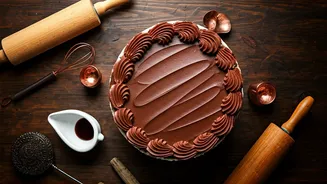
While aesthetics are a major part of the appeal, this trend is also about taste. The shift away from structural fondant to fluffy buttercream means a return to classic, comforting flavours. Vintage chocolate cakes are typically built on familiar, crowd-pleasing foundations: rich, moist chocolate sponge, silky buttercream, and perhaps a complementary filling like caramel or raspberry. While experimental flavours have their place, the vintage trend champions the timeless appeal of a truly well-executed classic. It reminds people that before cakes were architectural marvels, they were simply meant to be delicious.