


The Power-Hungry Problem on Mars
For a solar-powered rover or lander on Mars, a clear sky means life. Sunlight fuels the batteries that keep instruments running and internal heaters from letting the delicate electronics freeze in the bitter cold. But Mars has a persistent and dangerous
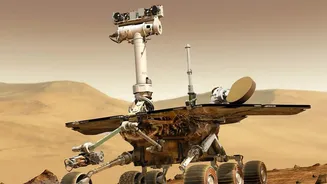
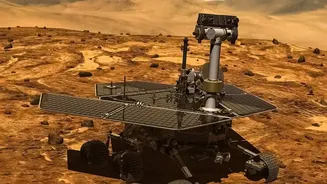
foe: dust. The fine, reddish dust gets kicked up by winds, creating everything from small dust devils to regional storms. On rare but dangerous occasions, these can grow into global events that shroud the entire planet for weeks or months. This isn't a theoretical problem. NASA's long-lived Opportunity rover survived for 14 years, but its mission finally ended in 2018 when a planet-encircling dust storm blotted out the sun, preventing it from recharging. More recently, the InSight lander, which studied Marsquakes, saw its power levels plummet as dust coated its panels, leading to the end of its mission in late 2022. The message was clear: to ensure the survival of expensive assets on Mars, we needed a better weather forecast.
An Eye in the Martian Sky
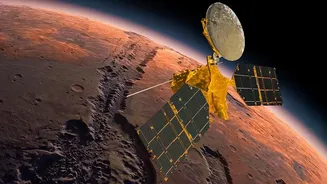
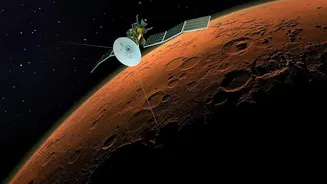
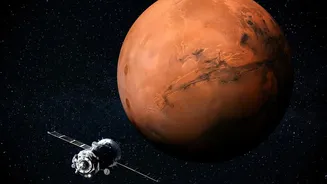
You can't forecast the weather without watching the clouds, and on Mars, that means watching the dust. The key tool for this job is NASA's Mars Reconnaissance Orbiter (MRO), which has been circling the Red Planet since 2006. One of its most crucial instruments is the Mars Color Imager, or MARCI. MARCI has a very specific job: to take a daily global snapshot of the planet. Each day, it builds a complete weather map, allowing scientists on Earth to watch the full life cycle of dust storms. They can see where small storms are kicking up, how fast they are growing, and in which direction they are moving. This daily monitoring is the foundation of Martian weather forecasting. Data from MARCI, along with temperature readings from other instruments like the Mars Climate Sounder, helps create a multi-layered view of the atmosphere.
From Daily Snapshots to Smart Predictions
Having years of daily weather maps is a treasure trove of data. Scientists can now look back at the conditions that preceded every major storm. By identifying recurring patterns, they can build models that predict when a new storm has the potential to go big. This is where modern data analysis, including machine learning, comes into play. Researchers are training algorithms on years of MRO data to spot the subtle warning signs of a dangerous storm. These models can analyze the speed, direction, and opacity of dust clouds far more efficiently than the human eye, flagging developing storms that have the signature of past planet-wide events. This turns reactive monitoring into proactive forecasting. Instead of just watching a storm grow, mission controllers can get an early warning that allows them to take protective measures.
Protecting the Assets on the Ground
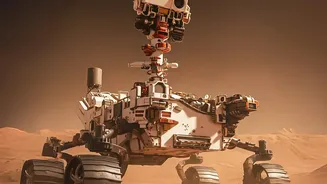
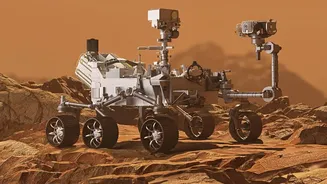
So what does this early warning enable? When a potentially dangerous storm is identified, the forecast gives teams on Earth time to prepare the rovers. For a solar-powered vehicle like the now-retired InSight lander, this meant they could command it to conserve power. They might turn off non-essential science instruments and reduce communications to ensure the lander had enough battery charge to survive a prolonged period of low sunlight. Sometimes, if a storm is coming, a rover team might decide to postpone a long drive or delay a flight for the Ingenuity helicopter. These forecasts are not just about survival; they are about mission efficiency. By knowing when the skies will be clear, teams can plan energy-intensive science activities. And by knowing when to hunker down, they can protect these multi-billion-dollar robots from a dusty demise, extending their operational lives and maximizing the scientific return on investment.