




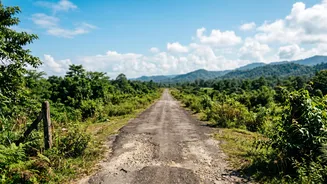

From Wartime Runway to Forgotten Relic
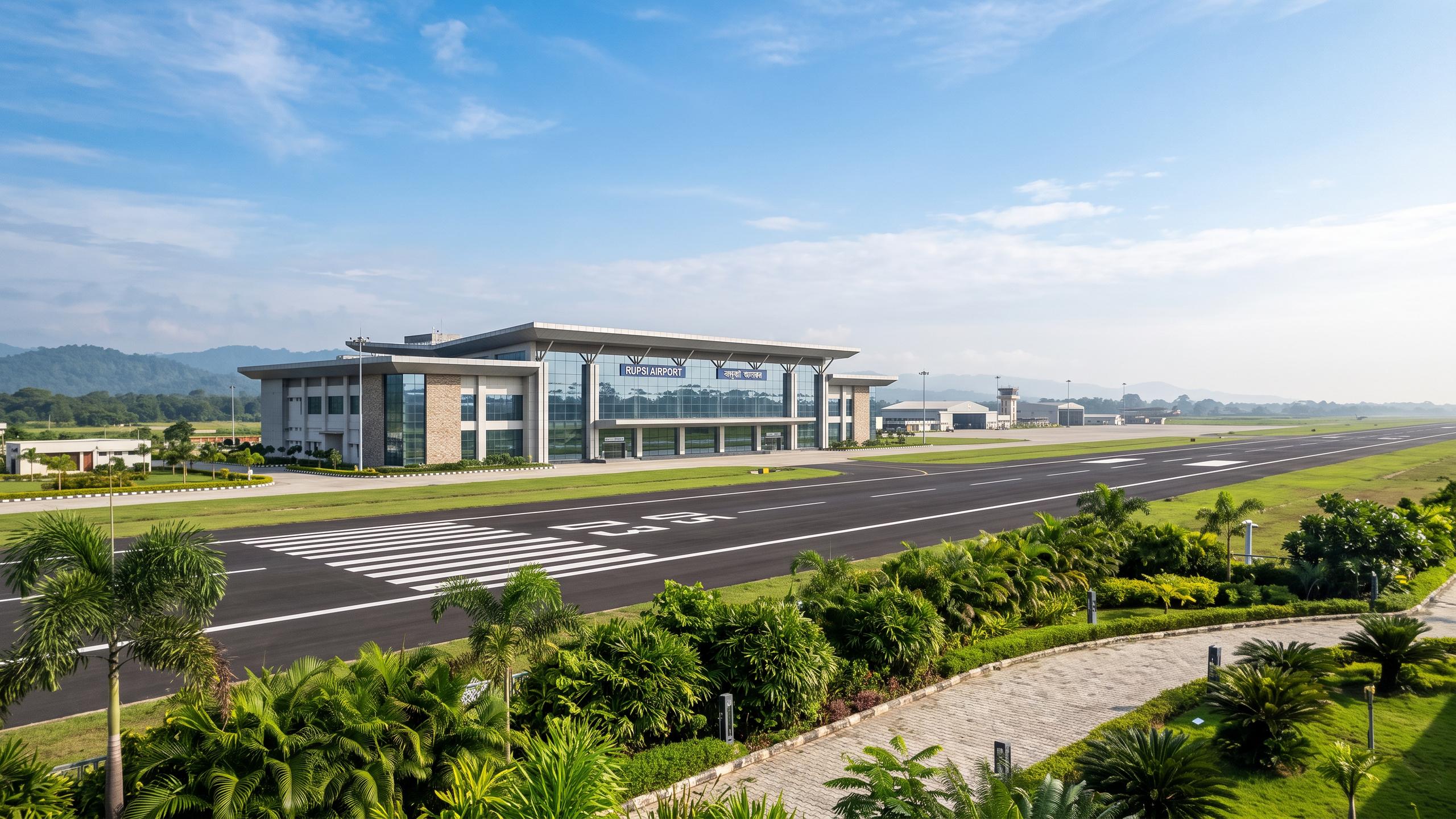
The history of Rupsi Airport is steeped in global conflict. Constructed by the British during World War II, it served as a critical base for the Allied forces, supplying arms, manpower, and ammunition to the China-Burma-India theatre. Its long runway,
one of the largest in Asia at the time, and dozens of camouflaged hangars made it a strategic military asset. After the war, it briefly served civilian needs with airlines like Vayudoot operating services. However, by the early 1980s, the flights stopped, and the airport fell into complete disuse, becoming a ghost of its former self. For nearly 40 years, the runway was silent, and residents of Lower Assam had to travel hundreds of kilometres to Guwahati or Siliguri in West Bengal to catch a flight.
A New Beginning with the UDAN Scheme
The airport's fortunes turned with the launch of the Indian government's Regional Connectivity Scheme, known as UDAN (Ude Desh ka Aam Nagrik). This initiative aims to make air travel affordable and connect underserved and unserved airports across the country. Rupsi was identified as a prime candidate for revival. With an investment of around Rs 69 crore from the Airports Authority of India (AAI), the derelict airstrip was redeveloped. This included building a new terminal, strengthening the runway for modern aircraft like the ATR-72, and installing necessary navigation and safety systems. In May 2021, the first commercial flight in decades, operated by Flybig, landed at Rupsi, receiving a traditional water cannon salute and marking a historic moment for the region.
The Secret to Its Soaring Success
The headline's claim that Rupsi is 'outpacing' established destinations isn't about surpassing mega-hubs in sheer numbers, but about its phenomenal growth rate and strategic impact. A recent report based on flight search data highlighted a massive year-on-year increase in interest for the destination, placing it on the radar for travellers looking beyond the usual hotspots. The airport's success hinges on its strategic location. It serves as a vital gateway for at least four districts in Lower Assam—Dhubri, Kokrajhar, Bongaigaon, and Goalpara—as well as parts of neighbouring Meghalaya and West Bengal. This has dramatically cut travel times for residents and business travellers. Before Rupsi's revival, a trip to the nearest airport could take over six hours by road; now, a flight to Guwahati takes about 40 minutes. This newfound connectivity has been a game-changer for trade, education, and healthcare access.
More Than Just an Airport: An Economic Engine
The ripple effects of Rupsi's reopening are transforming the local economy. By providing easier access to the region, the airport is poised to boost tourism. It serves as a convenient entry point for visitors heading to Manas National Park, a UNESCO World Heritage site, and other attractions like Raimona National Park. The Assam government has also announced ambitious plans to develop Rupsi into a major logistics hub. This vision aims to leverage its proximity to international borders with Bangladesh and Bhutan to facilitate the transport of agricultural produce, industrial goods, and e-commerce consignments. This would create jobs and stimulate economic activity across western Assam and beyond, solidifying the airport's role as a powerful engine for regional development.