





The Two Families of Herbs
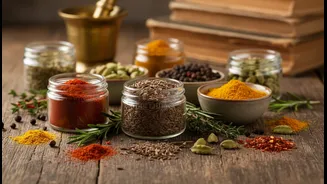
The secret to unlocking the full potential of herbs lies in understanding that they generally fall into two categories: hardy and tender. Hardy herbs, like rosemary and thyme, grow on tough, woody stems. Their flavour compounds are robust and need time
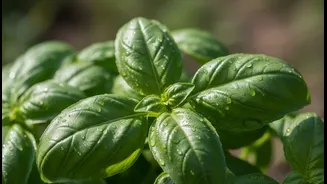
and heat to be released. On the other hand, tender herbs, such as basil, parsley, and cilantro, have soft stems and delicate leaves. Their bright, volatile oils are easily destroyed by prolonged cooking, making their timing in a recipe completely different. If you can remember that hardy herbs go in early and tender herbs go in late, you've already mastered the most important rule.
Hardy Herbs: Built for the Heat
Think of hardy herbs as the marathon runners of your spice rack. Rosemary, thyme, oregano, sage, and bay leaves are all built to withstand long cooking times. Adding them at the beginning of the cooking process—while you’re sautéing onions and garlic, or as a stew begins its long simmer—allows their flavour to slowly infuse the entire dish. The heat helps break down their tougher structure and release deep, aromatic oils that create a foundational layer of flavour. You can toss in whole sprigs of rosemary or thyme into a roast or braise and simply fish them out before serving. For herbs like sage or oregano, you can add them during the last 20 minutes of cooking to get the best result.
Tender Herbs: Finish with a Flourish
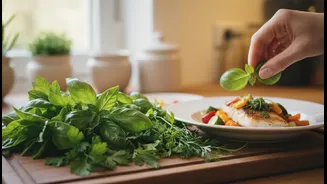
Tender herbs are the sprinters, delivering a quick, vibrant burst of flavour. This group includes basil, parsley, cilantro, dill, chives, and mint. Their delicate nature means they cannot stand up to much heat. If added too early, their fresh, bright notes will simply cook away, sometimes leaving a dull or even bitter taste. To preserve their character, add these herbs at the very end of cooking, often just a minute or two before taking the dish off the heat. Even better, scatter them over the finished plate as a garnish. Tearing fresh basil leaves over a hot pizza or stirring chopped cilantro into a curry just before serving allows their fresh aroma and taste to shine.
What About Dried Herbs?
Dried herbs behave more like their hardy cousins, even if they started as a tender herb like basil. The drying process concentrates their flavour, but also means they need time to rehydrate and release that flavour. As a general rule, add dried herbs early in the cooking process, often with the initial liquids or fats, to allow them to bloom. Because their flavour is more potent, you'll need less. A common rule of thumb is to use one-third the amount of dried herbs as you would fresh; for example, one teaspoon of dried oregano is roughly equivalent to one tablespoon of fresh.
Bonus Tips for Maximum Flavour
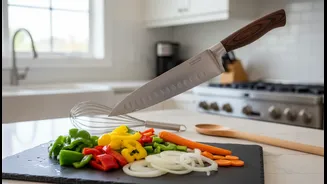
To get even more from your fresh herbs, a few simple techniques can make a big difference. For hardy herbs like rosemary or thyme, you can gently bruise the leaves before adding them to the pot to help release their aromatic oils. For tender herbs, always use a sharp knife. A dull knife crushes the delicate leaves, leaving much of their flavour as a green smear on your cutting board instead of in your food. For soups and stocks, you can tie herb stems (like parsley and thyme) together with kitchen string to create a 'bouquet garni', making them easy to retrieve before serving.