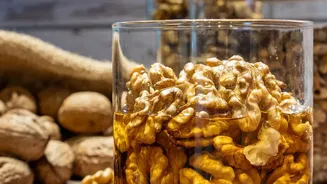








The tradition of soaking nuts like almonds overnight is common in many Indian homes. While our elders swore by it for better health, there's a compelling scientific logic behind this simple daily ritual that you should know about.
Meet the 'Antinutrients' in Your Nuts
Nuts are nutritional
powerhouses, packed with healthy fats, protein, fibre, and essential minerals. However, they also come with a natural defence mechanism in the form of compounds often called 'antinutrients'. The most notable of these are phytic acid and enzyme inhibitors. Phytic acid exists in the outer layer of nuts, seeds, and grains. Its primary job is to protect the nut until conditions are right for it to germinate and grow into a plant. Unfortunately, when we eat nuts, this same phytic acid can bind to minerals like iron, zinc, magnesium, and calcium in our gut, which may prevent our bodies from absorbing them effectively. Enzyme inhibitors, on the other hand, are compounds that can interfere with our own digestive enzymes, making it harder for our bodies to break down the proteins and starches in the nuts. This can lead to feelings of heaviness or digestive discomfort for some people.
How Soaking Unlocks Nutrients
The simple act of soaking nuts in water essentially mimics nature. It signals to the nut that it's in a moist environment, like after a rain, and it's time to start the germination process. This 'activation' triggers several beneficial changes. The warm water helps to neutralise a portion of the enzyme inhibitors and starts to break down the phytic acid. As these antinutrients are reduced, two key things happen. First, digestibility improves. With fewer enzyme inhibitors to contend with, your digestive system has an easier time processing the nuts, which can reduce bloating and discomfort. Second, bioavailability increases. Bioavailability refers to how much of a nutrient your body can actually absorb and use. By reducing phytic acid, the minerals within the nuts, such as magnesium and zinc, are 'unlocked' and become more readily available for your body to absorb.
A Practical Guide to Soaking Nuts
Getting started with soaking is simple. Place your raw nuts in a glass bowl or jar and cover them with filtered water, ensuring there's an extra inch or two of water on top as the nuts will expand. Many sources suggest adding a pinch of salt to the water, as the minerals can help activate the enzymes that break down the inhibitors. The soaking time varies depending on the nut. Harder nuts like almonds require a longer soak, typically 8-12 hours, which makes them perfect for an overnight routine. Softer, oilier nuts like walnuts and pecans need about 4-8 hours, while cashews require the least time, at just 2-4 hours. After soaking, you'll notice the water is cloudy—this is a sign that compounds like tannins and dust have leached out. Discard this water, give the nuts a thorough rinse with fresh water, and they are ready to eat. They will have a softer, creamier texture. If you prefer a crunch, you can dry them in a dehydrator or an oven on the lowest temperature setting until crisp.
Is It Absolutely Necessary?
While soaking provides clear benefits in reducing certain antinutrients, it's also important to have a balanced perspective. For most people who eat a varied diet, the antinutrients from a handful of raw nuts are not a major health concern. However, the reduction in phytic acid can be modest in nuts compared to grains and legumes. Research shows that while soaking can help, the effects on nutrient availability can be small and vary by nut type. A 2020 study, for example, found that changes in phytate levels were inconsistent across different nuts like almonds and walnuts. The biggest takeaway is that if you find raw nuts heavy or difficult to digest, soaking is an easy, low-cost way to make them gentler on your gut. For those who rely heavily on nuts and seeds as a primary source of minerals, soaking is a worthwhile practice to maximise nutrient absorption.