





The Geographic Safe Harbour
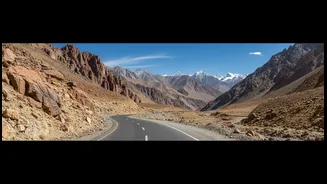
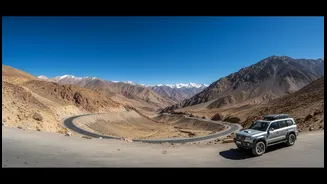
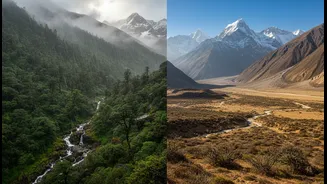
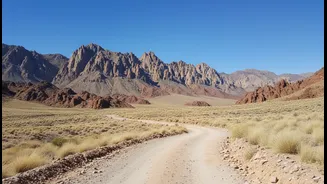
The primary reason Spiti and Ladakh are favourites for monsoon travel is their unique location in a rain shadow zone. While the rest of the Indian Himalayas, particularly states like Uttarakhand and Himachal Pradesh, are drenched by heavy monsoon rains
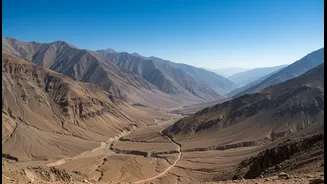
from June to September, the towering Pir Panjal and Great Himalayan ranges act as a massive wall. They block the moisture-laden clouds from reaching these high-altitude cold deserts. As a result, both regions receive minimal rainfall, leading to clearer skies and, most importantly, a significantly lower risk of rain-induced landslides that frequently plague other mountain destinations during this period. This geographical advantage means roads are generally drier and more stable.
A Tale of Two Himalayas
The contrast becomes stark when you look at the news during the monsoon. While travel advisories and red alerts for heavy rain and landslides become common for popular spots in Uttarakhand and lower Himachal, Ladakh and Spiti remain comparatively accessible. Reports from July 2026 show significant disruptions on routes to places like Shimla, Kedarnath, and parts of the Char Dham Yatra, with dozens of roads blocked. In stark contrast, the main internal roads within Ladakh—connecting Leh to Nubra Valley and Pangong Lake—are typically open. The challenge lies in reaching these safe havens, as the approach roads from Manali and Srinagar pass through monsoon-affected zones. This makes the journey part of the adventure, demanding careful planning for the initial leg of the trip.
Strategic Roads and Rapid Response
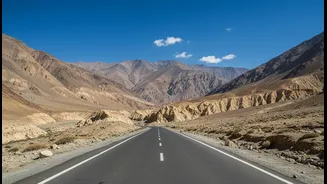
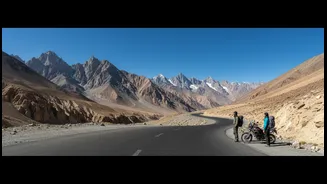
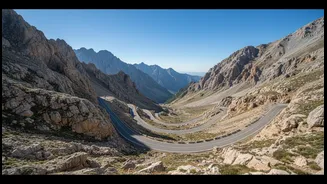
The highways leading to and within Ladakh and Spiti are not just regular roads; they are strategic national assets maintained by the Border Roads Organisation (BRO). The Manali-Leh Highway and the Srinagar-Leh Highway are crucial for military movement, which ensures they receive high priority for maintenance and clearance. The BRO is known for its efficiency in clearing blockages, whether from late-winter snow or monsoon-related debris on the approach sections. For instance, even when facing disruptions, the aim is to restore connectivity swiftly. This level of maintenance provides a layer of reliability that is often not available on other state-managed hill roads, giving travellers more confidence.
Understanding the Real Risks
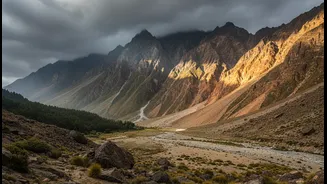
To call these regions completely “landslide-free” is an oversimplification. The risk is reduced, not eliminated. While rain-induced mudslides are rare, other geological hazards exist. The barren, freeze-thaw cycle of the mountains can lead to rockfalls and more localised landslides. Furthermore, climate change is introducing unpredictability, with some reports of light, unusual rainfall even in Spiti. The approach roads, especially the Manali-Leh highway before it enters the rain shadow, are still susceptible to monsoon-related problems like slush and water crossings. Experienced travellers know this and plan for buffer days to account for potential delays on the journey there.
More Than Just a Safer Route
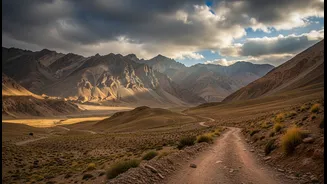
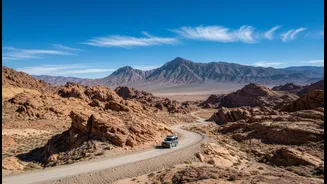
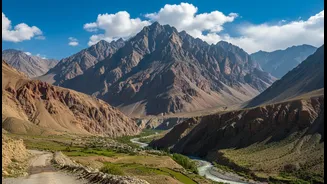
The “investment” in a Spiti or Ladakh trip goes beyond just the cost; it’s an investment in a unique and profound experience. The very geography that keeps the monsoons at bay creates an otherworldly landscape of barren mountains, deep blue skies, and ancient monasteries perched on cliffs. The journey itself, crossing some of the world’s highest motorable passes, is a significant draw. For urban adventurers, it offers a true escape from the noise and chaos of city life. The feeling of remoteness, the cultural immersion in Buddhist heritage, and the sheer scale of nature provide a sense of accomplishment and perspective that is hard to find elsewhere, making the logistical planning and higher costs worthwhile.