





An Unplanned Experiment
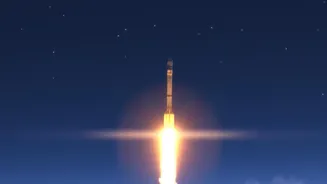
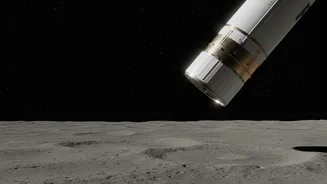
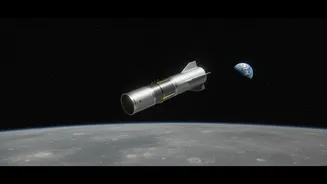
On August 5, 2026, the upper stage of a SpaceX Falcon 9 rocket slammed into the lunar surface at over 8,000 kilometres per hour. This piece of space hardware was not on a mission to crash; it was debris left over from a January 2025 launch that sent two
lunar landers on their way. After completing its primary mission, the spent rocket stage was left in a chaotic orbit. Over time, the combined pull of solar activity and gravity nudged it onto a collision course with the Moon, a trajectory that was first identified by independent astronomers and later confirmed by NASA. While SpaceX stated it followed all regulations for disposing of the stage, its unexpected journey has provided scientists with a rare, real-world opportunity to study a high-speed lunar impact.
A Scramble for a Ringside Seat
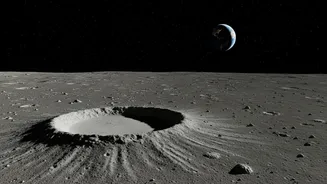
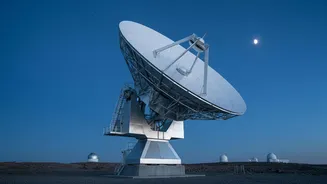
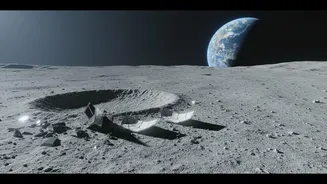
Once it was clear the impact was inevitable, space agencies and astronomers scrambled to observe the event and its aftermath. The goal was to collect as much data as possible from the collision, which was predicted to carve out a crater nearly 20 metres wide. While the impact itself wasn't visible from Earth, ground-based telescopes were used to look for the plume of dust and rock—the ejecta—kicked up from the surface. More importantly, spacecraft already orbiting the Moon were repositioned to get a closer look. NASA's Lunar Reconnaissance Orbiter (LRO) and South Korea's Danuri orbiter, which carries a high-tech camera called ShadowCam, are tasked with capturing before-and-after images of the crash site. This will allow scientists to see the new crater in high resolution and study its features in detail.
What a Fresh Crater Can Reveal
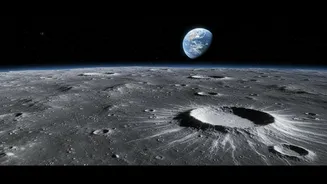
A new crater is a geological goldmine. The lunar surface is constantly bombarded by radiation and tiny micrometeoroids, a process called space weathering that alters the top layer of soil. A fresh impact event, like this rocket crash, violently excavates and exposes pristine material from beneath the surface. By studying the colour, composition, and distribution of this fresh ejecta, scientists can learn about the geology of that specific lunar region. Furthermore, the shape and size of the crater itself provides valuable data for refining models of impact physics. Understanding how impacts form craters is critical not just for science, but for assessing the potential hazards that future lunar bases and astronauts might face from natural meteoroid strikes.
The Legacy of Lunar Impacts
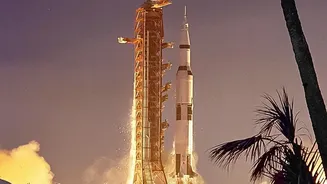
Using impacts to study the Moon isn't a new idea, but this event is different. During the Apollo era, NASA intentionally crashed the third stages of its massive Saturn V rockets onto the Moon. Those planned impacts were used to calibrate a network of seismometers left by astronauts, generating artificial 'moonquakes' that helped scientists map the Moon's internal structure. In 2009, NASA's LCROSS mission purposefully slammed an impactor into a permanently shadowed crater near the south pole, a successful experiment that confirmed the presence of water ice. The recent SpaceX crash is an unplanned echo of these past missions. While there are no active seismometers on the Moon today to record the shockwaves, the event still provides a wealth of information about surface properties.
A Wake-Up Call for Space Junk
Beyond the immediate science, this accidental crash highlights a growing challenge: space junk beyond Earth's orbit. As government agencies and commercial companies like SpaceX ramp up missions to the Moon, the lunar environment is becoming increasingly crowded. This event was only the second known time a piece of space debris has accidentally hit the Moon, the first being part of a Chinese rocket in 2022. These incidents serve as a powerful reminder that the issue of debris management is not confined to low-Earth orbit. As plans for lunar bases and sustained human presence develop, tracking and mitigating the risks from leftover hardware will become an essential part of ensuring the safety and sustainability of future lunar exploration.