







The Great Unwind
There's a quiet revolution happening in how Indians travel. The frantic, checklist-driven holiday—a blur of monuments, cities, and airports—is giving way to something slower and more intentional. Recent reports show a significant shift towards what is being
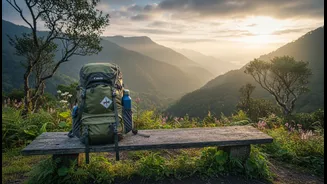
called 'slow travel' or 'quietcations'. Travellers are increasingly seeking out peaceful, immersive experiences instead of rushing through crowded tourist spots. This trend, accelerated by post-pandemic reflections on burnout and the desire for genuine connection, is about trading the 'fear of missing out' for the 'joy of missing out'. Rather than collecting destinations, the new goal is to collect meaningful moments, with relaxation being the primary motivation for the majority of Indian travellers.
Rise of the 'Hobbyday'
At the heart of this shift is the rise of the 'hobbyday'—a vacation built around a personal passion. Instead of a generic itinerary, these trips are designed to facilitate deep engagement with a specific interest, be it photography, painting, cooking, or stargazing. This approach transforms a holiday from a passive experience into an active one, where the main objective is not just to see a place, but to do something meaningful there. This trend, sometimes called 'hushed hobbies', combines the restorative power of nature with the satisfaction of skill-building. Reports from 2026 indicate that this move towards experiential travel is a dominant force, particularly among younger travellers who prioritise personal growth and unique experiences over conventional sightseeing.
Why Birdwatching Takes Flight
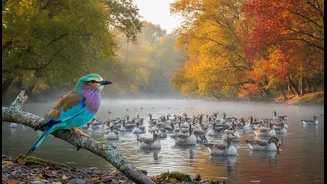
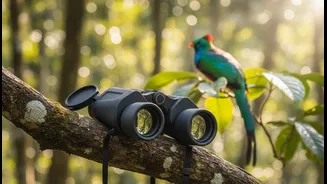
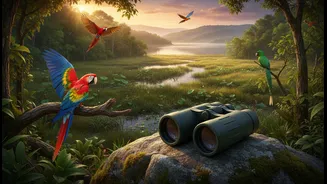
Birdwatching has emerged as the poster child for this new style of travel. The Indian birdwatching tourism market is growing significantly, expected to reach over USD 3.6 billion by 2030. The country, home to over 1,300 bird species, offers an incredible diversity of ecosystems for enthusiasts. What makes birdwatching the perfect quiet hobby is its meditative quality. It demands patience, focus, and a deep connection with the surrounding environment. It’s a treasure hunt where the prize is a fleeting glimpse of a rare species, a moment of pure, quiet joy. It forces you to slow down, observe, and truly be present in nature, offering a powerful antidote to a digitally saturated life.
India’s Premier Birding Havens
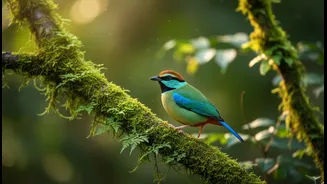
For those looking to trade city noise for birdsong, India offers a wealth of options. Keoladeo National Park in Rajasthan, a UNESCO World Heritage Site, is one of Asia's most famous bird sanctuaries, hosting more than 370 resident and migratory species. In the south, Kerala's Thattekad Bird Sanctuary offers a dense, lush environment teeming with endemic species like the Sri Lanka Frogmouth and Malabar Trogon. For the more adventurous, Eaglenest Wildlife Sanctuary in Arunachal Pradesh is a biodiversity hotspot in the Eastern Himalayas. Other key destinations include the Sundarbans for their unique mangrove ecosystem, and Pangot in Uttarakhand, which is renowned for its Himalayan species.
More Than Just a Trip
Ultimately, the rise of quiet-hobby holidays speaks to a larger cultural shift in our understanding of leisure and well-being. Burnout from demanding urban lifestyles has prompted a search for vacations that truly rejuvenate the mind and soul, not just provide a temporary escape. Engaging in a hobby like birdwatching provides a sense of accomplishment and self-discovery that a conventional holiday often lacks. It encourages a deeper, more sustainable form of tourism that supports local ecosystems and communities. This type of travel is not just about a change of scenery; it's about a change of pace and perspective.