

A Story in Every Window
Upcycling, the art of transforming waste or unwanted items into new products of better quality, has found a heartfelt application in Indian homes. The trend of converting old sarees—especially vintage silks—into curtains is more than just a decorating
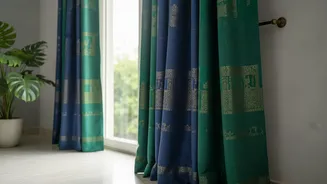
choice; it's a celebration of personal history and sustainability. Instead of languishing in a trunk, a mother's wedding saree or a grandmother's favourite Kanjivaram can be repurposed, allowing its vibrant colours and intricate weaves to interact with the light and space of a room every day. This practice honours the emotional value of the fabric while reducing textile waste, making it a conscious choice for the modern, eco-aware household.
Why It’s a Brilliant Idea
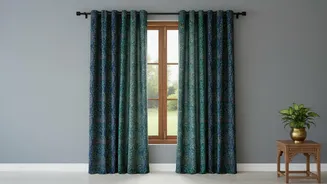
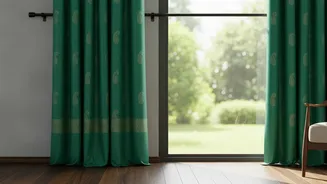
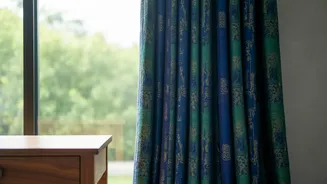
The benefits of using sarees for drapes are threefold: environmental, aesthetic, and sentimental. Environmentally, it's a powerful statement against fast fashion and textile waste, giving a long-lasting garment an extended purpose. Aesthetically, sarees offer a design palette that mass-produced curtains cannot match. The rich textures of Banarasi or the breezy feel of chiffon can dramatically alter a room's mood, from regal and luxurious to soft and bohemian. Sentimental value is perhaps the most compelling reason. These drapes become conversation starters, pieces of art that carry the warmth of generations and family stories within their folds.
Choosing the Right Saree
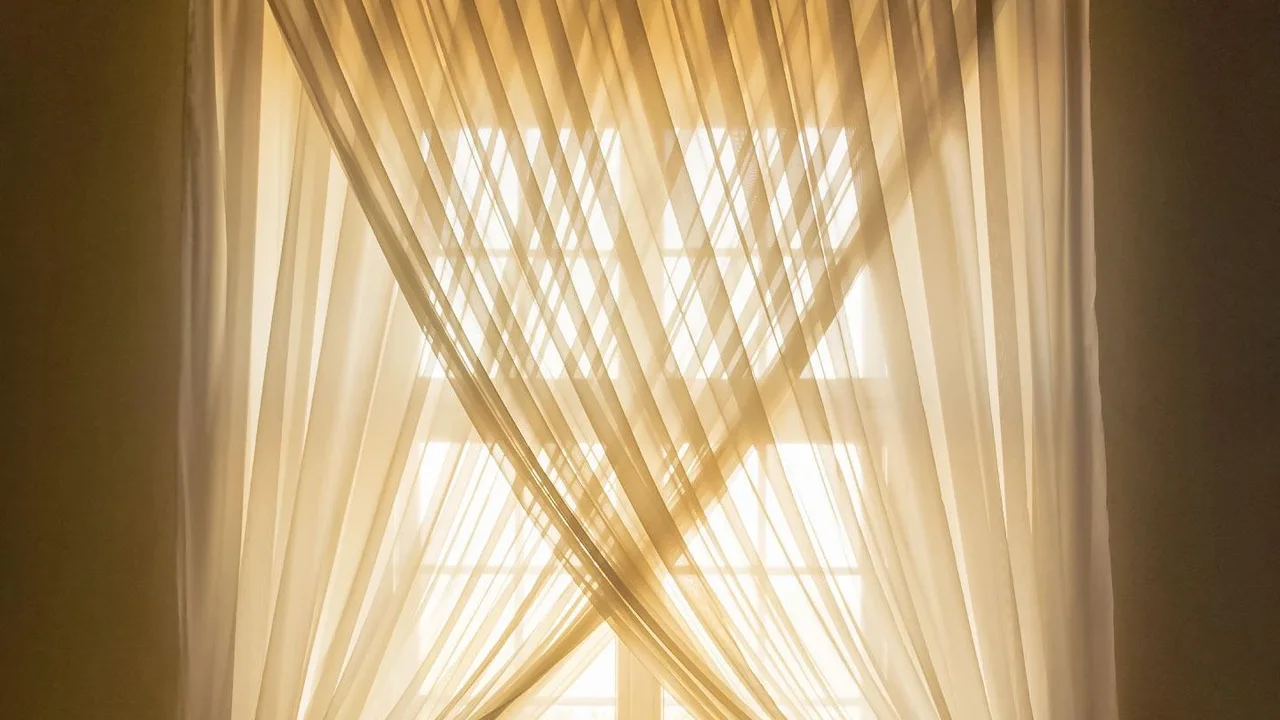
Almost any saree can be used, but the fabric choice impacts the final look and function. Lightweight sarees like chiffon, georgette, and cotton are perfect for creating sheer, flowing curtains that allow natural light to filter through beautifully. These are ideal for living rooms or spaces where you want a bright, airy feel. For a more opulent and formal look, or for rooms where you want to block more light, heavier silks like Kanjivaram, Banarasi, or crepe are excellent choices. However, these heavier fabrics will likely require a cotton lining to protect them and give them the right structure. Before starting, inspect the saree for any damage or tears; while some imperfections add character, large flaws may need to be cut around.
The DIY Transformation
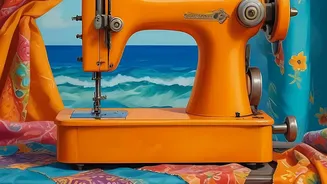
Creating your own saree curtains can be a rewarding project. The basic process involves measuring your window, cutting the saree to the desired length (leaving extra for hemming), and sewing the edges. A sewing machine makes the job quicker, but simple hand-stitching can also be effective. You'll need to create a loop or channel at the top to slide the curtain rod through. For silk or georgette sarees, adding a lining is recommended. If you're not confident in your sewing skills, many local tailors can easily handle the task for a reasonable price. Alternatively, a growing number of sustainable decor brands and repurposing services specialise in transforming sarees into various home furnishings.
Caring for Your Silk Drapes
Once your beautiful saree drapes are up, proper care will ensure they last for years. For most silk fabrics, dry cleaning is the safest option to prevent damage to the delicate fibres and colours. If you must wash them at home, use a gentle hand wash in cold water with a mild detergent, being careful not to wring or scrub the fabric. It's best to air dry them away from direct sunlight, as harsh sun can fade the vibrant colours. Periodically, you can use a vacuum cleaner with a soft brush attachment to lightly remove dust and keep them looking fresh.