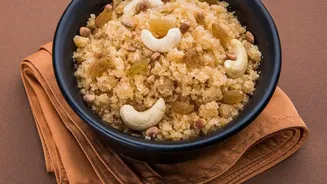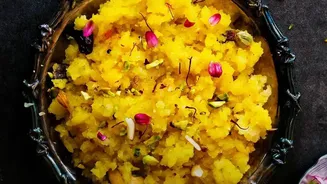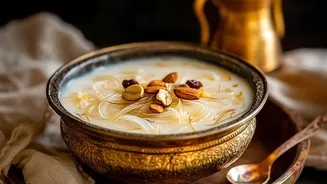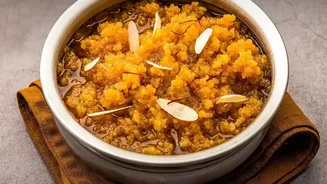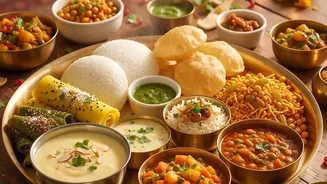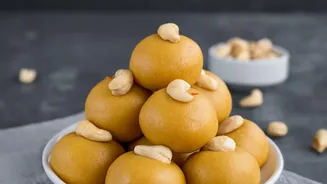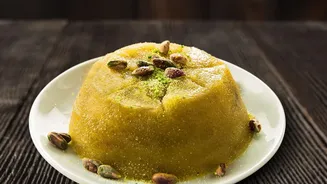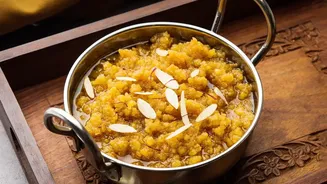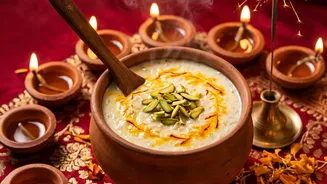

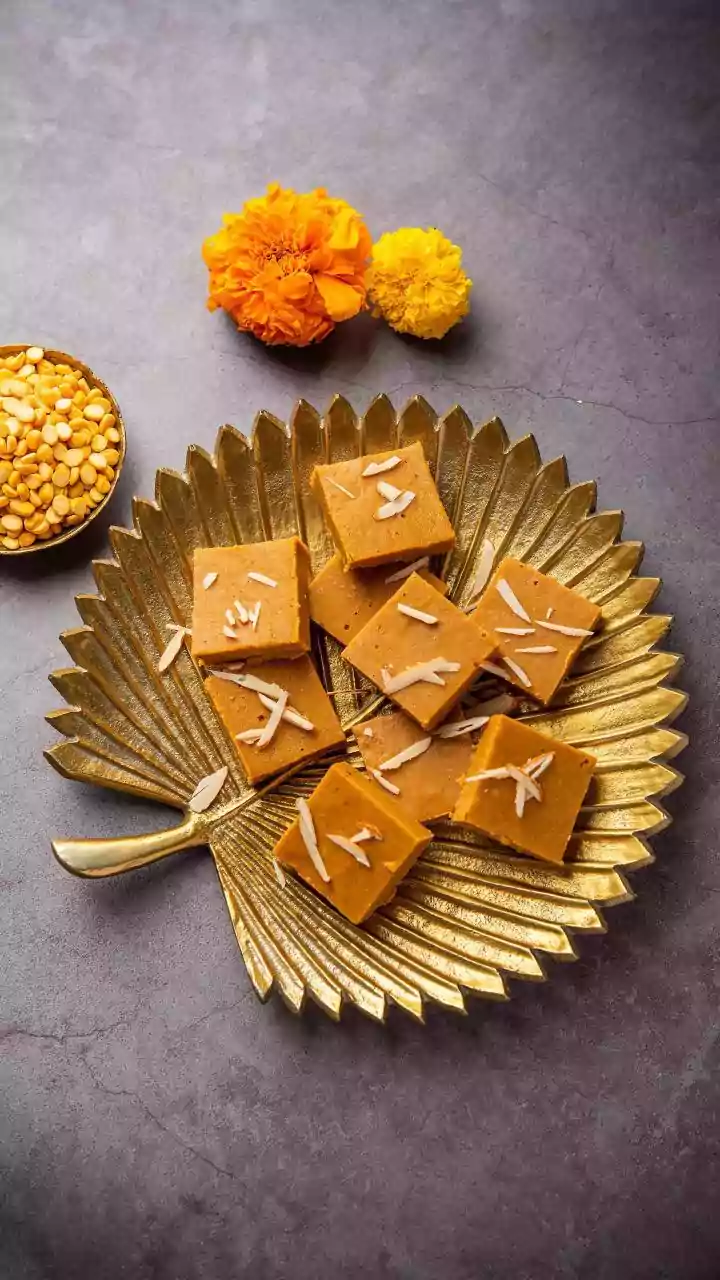



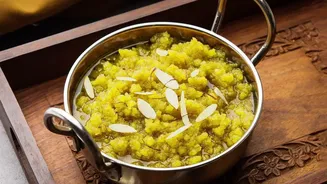
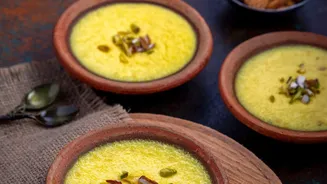
As the festive lights of Diwali dim and a distinct chill enters the air, Indian kitchens often turn to a comforting, age-old classic: Besan Sheera. This warm, aromatic pudding is more than just a sweet treat; it’s a seasonal ritual.
A Comforting Post-Festive Ritual
After the grand indulgence
of Diwali, there is a natural shift towards simpler, more nourishing foods. Besan Sheera, a traditional sweet primarily from North India, fits this role perfectly. Made with just a few staple ingredients—gram flour (besan), ghee, a sweetener like jaggery or sugar, and milk or water—it embodies a sense of comforting simplicity. Its preparation is a slow, mindful process that fills the home with a nutty aroma, signaling a move from festive excitement to quiet, cosy evenings. For many families, making sheera is a seasonal marker, signifying the arrival of winter and the need for foods that warm the body from within.
The Trusted Home Remedy for Winter Chills
Beyond its role as a dessert, Besan Sheera is famously known as a 'dadi ma ka nuskha' or a grandmother’s trusted remedy for coughs and colds. This reputation is rooted in the properties of its ingredients. Ghee is believed to soothe an irritated throat, while besan, a good source of protein and vitamin B1, provides energy when one feels fatigued from illness. Many recipes also include turmeric and black pepper. Turmeric contains curcumin, known for its anti-inflammatory and antiseptic properties, while black pepper is believed to help with respiratory relief. Consumed hot, often before bedtime, the sheera is thought to help clear nasal passages and promote restful sleep.
The Art of Roasting Besan
The secret to a truly delicious Besan Sheera lies in one crucial step: roasting the gram flour. This cannot be rushed. The besan must be cooked in ghee over a low flame, stirring continuously until it turns a beautiful golden-brown colour and releases a distinct, nutty fragrance. This slow roasting process cooks the raw flour, removing its bitterness and developing a deep, rich flavour that defines the entire dish. If the besan is undercooked, the sheera will taste raw; if it burns, it becomes bitter. Patience here is key, and the aromatic reward is a sign that you are on the right track to creating the perfect, comforting bowl of sheera.
A Classic Recipe to Try at Home
Making this winter warmer is surprisingly simple. Here is a basic recipe that you can adapt to your taste. Ingredients:
- 2 tablespoons Ghee (clarified butter)
- 4 tablespoons Besan (gram flour)
- 1.5 cups Milk (or water, for a different consistency)
- 2–3 tablespoons Jaggery or Sugar (adjust to taste)
- 1/4 teaspoon Cardamom powder
- A pinch of Turmeric powder
- A pinch of Black pepper powder
- Chopped nuts like almonds or pistachios for garnish (optional)
Method:
1. In a heavy–bottomed pan, melt the ghee over a low to medium flame.
2. Add the besan and begin to roast it, stirring constantly. Continue for about 8–10 minutes, until the flour turns golden brown and aromatic.
3. Add the turmeric, cardamom, and black pepper powder and mix well for a few seconds.
4. Slowly pour in the warm milk while whisking continuously to prevent any lumps from forming.
5. Add the jaggery or sugar and continue to stir until it dissolves completely and the sheera thickens to your desired consistency. This could be like a thick, drinkable porridge or a spoonable pudding.
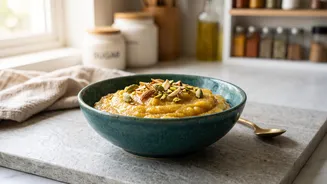
6. Once it reaches the right consistency, turn off the heat. Pour into a bowl, garnish with chopped nuts, and serve hot.
Tips for Perfecting Your Sheera
To elevate your Besan Sheera, consider a few expert tips. Using a coarse variety of besan can give the sheera a more pleasing, grainy texture. For a richer flavour, use full–fat milk, though water also works well for a lighter version. Always use warm milk and add it gradually to the roasted besan to ensure a smooth, lump–free mixture. The consistency is a matter of personal preference; for a drinkable sheera, add more milk. For a thicker,, halwa–like pudding,, cook it a little longer.