





Why More Fibre Matters
Before we dive into the swaps, let's understand why fibre is so important. Dietary fibre, found mainly in plant-based foods, is crucial for good health. It aids digestion, prevents constipation, and helps maintain a healthy gut. A high-fibre diet can
also help regulate blood sugar levels, lower cholesterol, and make you feel fuller for longer, which can aid in weight management. While experts recommend about 25–40 grams of fibre daily, many modern diets fall short. The good news is that small changes to our traditional meals can make a big difference.
Upgrade Your Rotis
The everyday roti or chapati is a perfect candidate for a fibre boost. Instead of using only refined white wheat flour (maida) or even some standard whole wheat attas, consider making a switch or a blend. Millets like jowar (sorghum), bajra (pearl millet), and ragi (finger millet) are excellent, nutrient-dense alternatives. They are naturally high in fibre and can be mixed with your regular atta to start. For instance, you can begin by mixing half a cup of jowar or bajra flour with your usual wheat flour. This not only increases fibre but also adds a unique, earthy flavour. Barley (jau) flour is another fantastic option, known for its high fibre content which is beneficial for heart health and blood sugar control. Don't be afraid to experiment with multigrain atta, which combines several grains to offer a broader range of nutrients and a significant fibre increase.
Rethink Your Rice
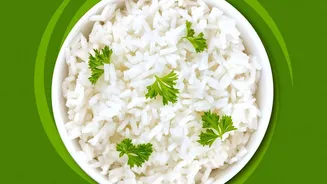
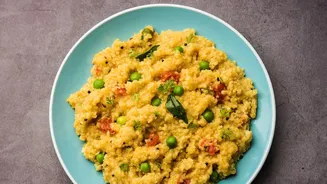
White rice is a staple, but the polishing process strips away much of its fibre and nutrients. An easy first step is switching to brown rice. It retains the bran layer, making it richer in fibre, vitamins, and minerals. Millets are a stellar replacement for rice. Foxtail millet and barnyard millet have a texture that works beautifully in dishes like khichdi and pulao. They are packed with 2-3 times more fibre than white rice, helping to keep you full and supporting better blood sugar control. Quinoa, while not a traditional Indian grain, has also become popular for its high protein and fibre content. Another simple trick is to simply reduce the portion of rice on your plate and fill the space with a hearty serving of vegetable sabji.
Power Up Your Dal
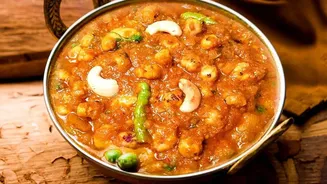
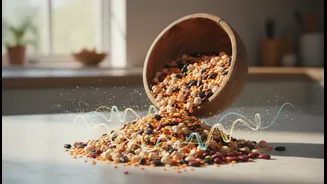
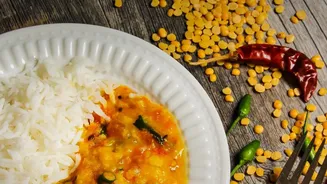
Dal is already a healthy source of protein and fibre, but you can elevate it further. The simplest swap is to use whole lentils (sabut dal) with their skins on, instead of split and polished versions (dhuli dal). The skins are where much of the fibre is located. More effectively, you can bulk up your dal by adding vegetables. Chopping in spinach, carrots, lauki (bottle gourd), or pumpkin not only adds fibre but also vitamins and texture, without drastically changing the comforting taste. This is an excellent way to use up leftover vegetables. You can also add a tablespoon of flaxseeds or chia seeds while cooking; they are virtually tasteless but provide a significant boost of fibre and healthy fats.
Incorporate More Vegetables
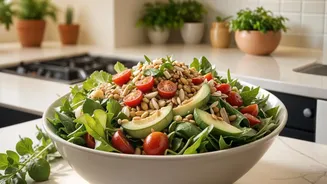
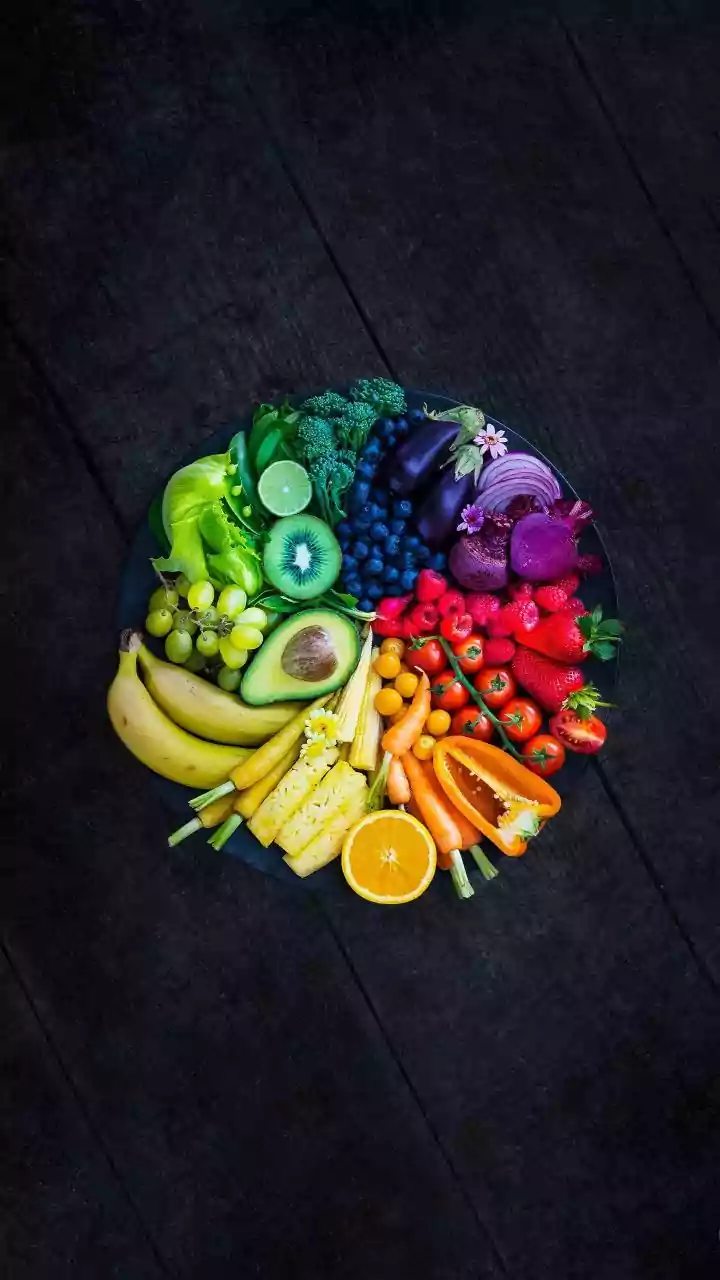
Beyond the main staples, consciously adding more vegetables to your plate is a guaranteed way to increase fibre. Aim for half of your plate to be filled with vegetables, whether in the form of a sabji, stir-fry, or a fresh salad. Vegetables like bhindi (okra), carrots, beans, and leafy greens can be easily incorporated into side dishes, curries, and even stuffed into parathas. Snacking on raw vegetables like cucumber and carrot sticks with hummus is another great strategy. Even adding finely chopped vegetables to dishes like poha, upma, or your dal tadka can make a difference. These additions not only increase your fibre intake but also enrich your meals with a variety of essential nutrients.