
The Problem with Maida
Maida, or refined wheat flour, is made by stripping the wheat kernel of its most nutritious parts: the bran and the germ. What remains is the starchy endosperm, which is then milled and bleached to create a fine, white powder. While this process gives
maida its desirable texture for baking and frying, it removes most of the fibre, vitamins, and minerals. The result is a high-glycemic food that can cause rapid spikes in blood sugar, provides minimal nutritional value, and offers little satiety, which can contribute to overeating.
Rediscovering Our Heritage Grains
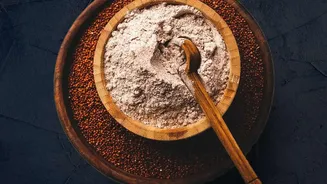
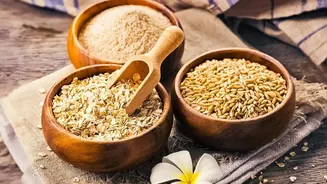
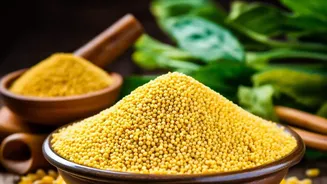
Before high-yield wheat and rice varieties became dominant after the Green Revolution, Indian diets were incredibly diverse. 'Heritage grains' refers to these traditional crops that have been cultivated for centuries with minimal genetic modification. This category includes a wide variety of millets like jowar (sorghum), bajra (pearl millet), and ragi (finger millet), as well as ancient wheat varieties like khapli (emmer). These grains were staples for millennia, perfectly adapted to local climates and packed with nutrients.
A Boost for Your Health
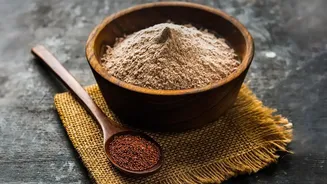
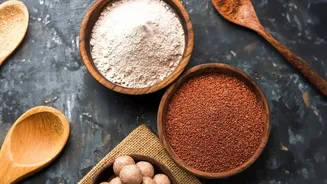
The health benefits of switching to heritage grains are significant. Unlike maida, these grains are complex carbohydrates rich in dietary fibre, which aids digestion, promotes gut health, and keeps you feeling full longer. Many, like jowar and ragi, have a lower glycemic index, helping to manage blood sugar levels. They are also nutritional powerhouses. Ragi is famously high in calcium, bajra is an excellent source of iron, and jowar provides a good dose of protein and antioxidants. For those with gluten sensitivities, many millets are naturally gluten-free.
Good for the Planet, Good for Farmers
The benefits extend far beyond personal health. Many heritage grains, especially millets, are 'climate-smart' crops. They are incredibly resilient, requiring far less water than wheat and rice, and can thrive in arid conditions with minimal need for chemical fertilizers or pesticides. Cultivating these grains supports agricultural biodiversity, which is crucial for a resilient food system in the face of climate change. It also provides livelihood security for small and marginal farmers by reviving traditional, sustainable farming practices.
Making the Switch in Your Kitchen
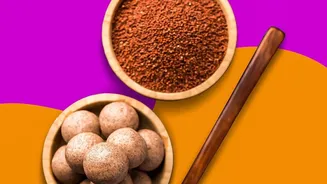
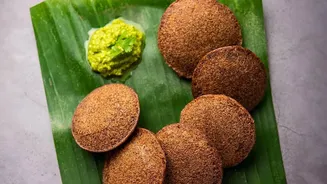
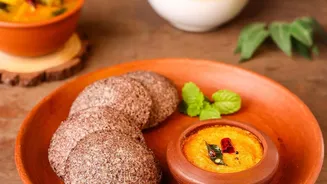
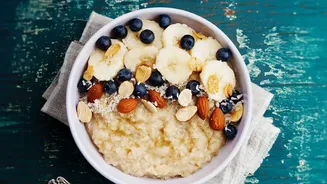
Incorporating heritage grains into your diet doesn't require a complete kitchen overhaul. You can start small. Try replacing a portion of your regular atta with jowar or bajra flour for your daily rotis. Ragi can be used to make nutritious dosas, porridge, or even laddoos. Jowar flour, with its mild taste, is a versatile substitute for maida in pancakes and bhakris. You can even find pasta and noodles made from millets. The key is to start gradually, perhaps by blending flours, and allow your palate and digestive system to adjust.