
The Green Promise from NASA
The widespread belief that houseplants are natural air purifiers can be traced back to a landmark 1989 study by NASA. Scientists were looking for ways to clean the air in sealed environments like space stations. Their research, conducted in small, sealed chambers,
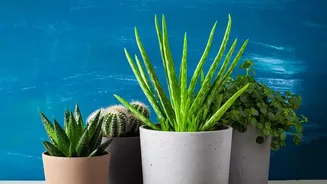
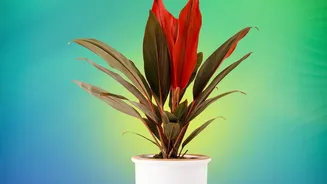
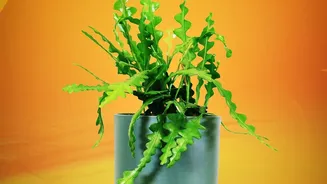
found that the roots and soil of common houseplants could indeed remove significant amounts of airborne volatile organic compounds (VOCs) like formaldehyde and benzene. These findings were scientifically sound and incredibly appealing. The message was simple and powerful: plants clean the air. This idea quickly took root in popular culture, spawning countless articles and lists of the 'best' air-purifying plants, from spider plants and peace lilies to ficus trees.
The Problem of Scale
The issue with applying NASA's findings to our homes lies in the difference between a small, sealed lab chamber and a typical living room. Our homes are not airtight; they have natural ventilation from open windows, doors, and tiny gaps that allow for constant air exchange with the outdoors. This process, known as the air exchange rate, is already doing a lot of work to dilute indoor pollutants. More recent analyses of the science have concluded that, in a real-world setting, the air-cleaning effect of plants is minimal. One 2019 review calculated that you would need to place between 10 and 1,000 plants per square metre of floor space to compete with a building's standard air exchange rate. In practical terms, to make a meaningful difference in a small apartment, you would need to house a veritable jungle.
What Are We Breathing Anyway?
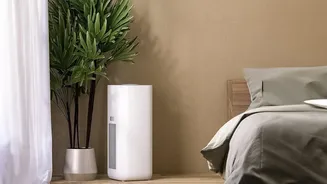
The pollutants in question are Volatile Organic Compounds, or VOCs. These are chemicals that are emitted as gases from thousands of common household products. Think of paints, cleaning supplies, air fresheners, furniture, carpets, and even dry-cleaned clothing. VOCs like formaldehyde and benzene can be consistently higher indoors than outdoors, sometimes by up to ten times. Exposure can lead to irritation of the eyes, nose, and throat, as well as headaches and dizziness. While plants do absorb these compounds, their removal rate is simply too slow to make a noticeable dent in a normally ventilated room where these chemicals are constantly being replenished. For truly effective removal of VOCs, increasing ventilation by opening windows or using air purifiers with activated carbon filters is far more effective.
So, Are Plants Just Pretty Decorations?
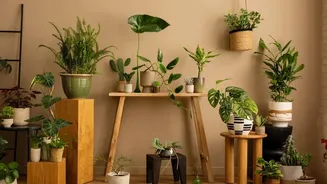
Absolutely not. To say houseplants are useless because they aren't powerful air purifiers would be to miss their most important contributions to our well-being. The true benefits of having plants indoors are psychological and profound. Numerous studies have shown that interacting with plants can significantly reduce stress and anxiety. They can lower blood pressure, improve mood, and boost feelings of comfort and calmness. In office environments, the presence of plants has been linked to increased productivity, improved focus, and greater job satisfaction. Simply put, being around greenery makes us feel good. It connects us to nature, even when we are indoors, which has a measurable positive impact on our mental health.
The Final Verdict
While your collection of indoor plants won't act as a high-powered air filtration system, that was never their true purpose in our homes. The science is clear: for improving air quality, you're better off opening a window or investing in an air purifier. But for improving your quality of life, plants are invaluable. They are living sculptures that reduce stress, boost creativity, and bring a sense of nature and tranquility into our increasingly indoor lives. So, keep buying those beautiful plants. Cherish them for their aesthetic appeal and the psychological comfort they provide. Just don't rely on them to purify the air—let them purify your mind instead.