



The Cardiovascular Boost
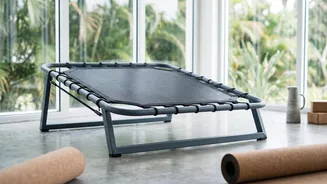
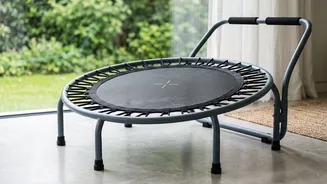
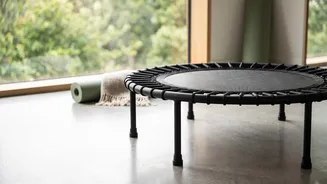
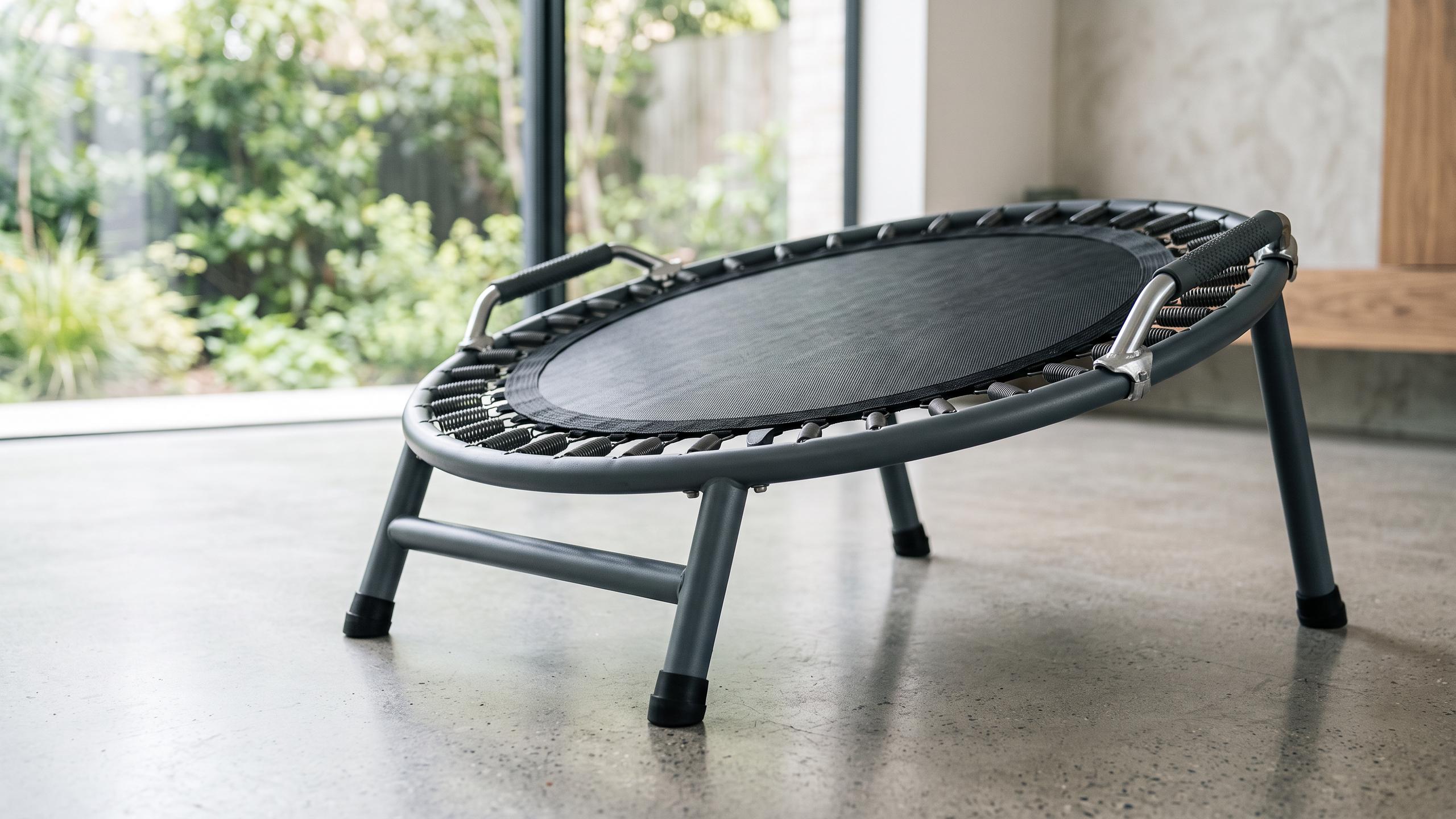
Both aerobics and trampolining, also known as rebounding, are excellent for cardiovascular health. Traditional aerobics, especially high-intensity step classes, elevates your heart rate, strengthens the heart muscle, and can improve blood pressure and cholesterol
levels over time. Similarly, rebounding provides a significant aerobic workout. In fact, some studies, including a notable one by NASA, found that jumping on a mini-trampoline can be a highly efficient way to boost cardiovascular fitness, sometimes achieving benefits in less time than running. Both activities train your heart and lungs to work more efficiently, which is the primary goal of any cardio exercise.
Impact on Your Joints
This is where the two forms of exercise diverge significantly. Many aerobics classes, particularly those involving high-impact movements like jumping and running in place, can put considerable stress on your joints, especially the knees and ankles. While beneficial for bone density, this can be a drawback for individuals with pre-existing joint issues or those recovering from injury. Trampolining, on the other hand, is celebrated for being a low-impact activity. The trampoline mat absorbs a majority of the force when you land, reducing stress on your joints significantly. This makes it an ideal option for people who need a gentler workout without sacrificing intensity.
Calorie Burn and Weight Loss
When it comes to burning calories, both are effective, but intensity is key. A vigorous step aerobics class can burn a substantial number of calories, with some studies finding it burns around 9.6 calories per minute. Trampolining is also a strong contender. Research shows that rebounding can burn anywhere from 7 to 12 calories per minute, depending on the intensity of the workout and an individual's body weight. Some comparisons have found trampolining can burn as many, or even slightly more, calories than running at a moderate pace for the same duration. Ultimately, the number of calories you burn in either activity will depend on how hard you push yourself.
Muscle Engagement and Toning
Aerobics, particularly step aerobics, is fantastic for targeting the lower body, strengthening quadriceps, hamstrings, glutes, and calves. While it engages the core for stability, the primary focus is often on the legs. Trampolining offers more of a full-body workout. The unstable surface of the rebounder forces you to constantly engage your core muscles to maintain balance. Every bounce works your legs, glutes, and core, and incorporating arm movements or light weights can easily provide a comprehensive, toning workout for your entire body.
The Fun Factor and Accessibility
The best workout is the one you stick with, and enjoyment plays a huge role. Aerobics classes offer a structured, social environment with music and choreography, which many people find motivating. However, the moves can be complex for beginners. Trampolining has a unique 'fun factor' that many describe as playful and energising, reducing the feeling of exertion. In terms of accessibility, aerobics classes are widely available at gyms. For trampolining, you can join a class or purchase a mini-trampoline (rebounder) for home use. The cost of a rebounder can be a one-time investment, but it offers the convenience of working out anytime.