





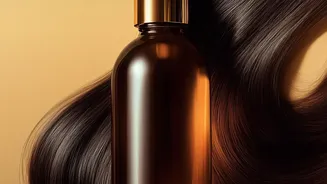
As the temperature drops, your hair faces a dual threat: frigid outdoor air and dry indoor heating. This combination strips moisture from your scalp and strands, leading to brittleness, static, and breakage. The good news? A few simple tweaks to your daily
routine can make all the difference.
Turn Down the Water Temperature
A long, steaming hot shower might feel like the perfect way to warm up, but it's one of the biggest culprits of winter hair damage. Hot water strips your scalp and hair of their natural, protective oils. This can leave your scalp feeling tight and itchy and your strands dehydrated and weak. Instead, opt for lukewarm water when washing your hair. As a final step, a quick rinse with cool water can help seal the hair's cuticle, which locks in moisture and boosts shine.
Never Leave Home With Wet Hair
It’s a piece of advice you may have heard before, and for good reason. In cold temperatures, water in your wet hair can freeze and expand, causing the hair shaft to become incredibly fragile and prone to snapping. Wet hair is already more vulnerable to damage, so exposing it to frigid air is a recipe for breakage. If you wash your hair in the morning, make sure it's completely dry before you step outside. Air-drying is always the gentlest option, but if you're short on time, use a blow-dryer on a low-heat setting and always apply a heat protectant spray first.
Make a Humidifier Your Best Friend
Indoor heating systems, whether forced air or radiators, create a very dry environment. This dry air constantly pulls moisture from everything, including your skin and hair, leading to static, frizz, and brittleness. Placing a humidifier in your bedroom or main living area helps to add moisture back into the air. This simple step not only benefits your hair and scalp but also helps soothe dry skin and nasal passages, making your home more comfortable all around.
Prioritise Scalp Care
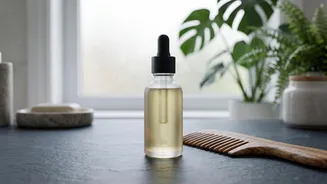
A healthy scalp is the foundation of healthy hair, and it needs extra attention in winter. The cold, dry air can lead to a tight, itchy, and flaky scalp. Incorporating a weekly pre-shampoo oil treatment can work wonders. Gently massaging a nourishing oil like coconut or argan oil into your scalp before washing helps to boost circulation, soothe dryness, and deliver vital nutrients directly to the roots. Additionally, consider switching to a more hydrating or sulfate-free shampoo to cleanse gently without stripping natural oils.
Hydrate From the Inside Out
Topical treatments are important, but true hydration starts from within. Indoor heating can be dehydrating for your whole body, so it’s crucial to drink plenty of water throughout the day. Your diet also plays a significant role. Foods rich in omega-3 fatty acids, like salmon, walnuts, and chia seeds, help to nourish your hair follicles and support your scalp's natural moisture barrier, contributing to stronger, more resilient hair.
Choose Your Winter Hat Wisely
Wearing a hat is essential for protecting your hair from harsh wind, snow, and cold. However, the wrong material can cause more harm than good. Wool, cotton, and other rough fabrics can create friction against the hair cuticle, leading to frizz, static, and breakage. To combat this, look for hats lined with silk or satin. These smooth materials allow your hair to glide without friction. Alternatively, you can wrap your hair in a silk scarf before putting on your favourite beanie.
Embrace Leave - In Conditioners
During the dry winter months , your regular rinse - out conditioner may not be enough . A leave - in conditioner provides a continuous layer of moisture and protection against the dry air . After showering , apply a lightweight leave - in conditioning spray or cream to damp hair to help detangle , reduce frizz , and lock in hydration . For extra - dry ends , you can also apply a small amount of a nourishing hair oil , like argan oil , to seal the cuticle and add shine between washes .