


The New Language of Tang
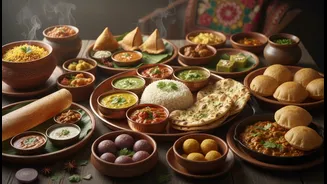
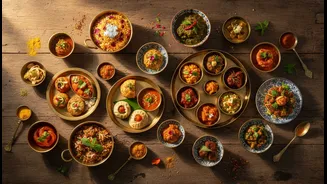
For generations, 'chatpata' has been more of a feeling than a formal culinary category. It’s the flavour burst from a roadside pani puri, the comforting warmth of a spicy aloo tikki chaat, and the complex zing of bhel puri. This flavour profile is a cornerstone
of Indian snacking, a nostalgic taste that connects millions. But in recent years, a quiet revolution has been brewing in professional kitchens across the country. Chefs are moving beyond simply preserving these tastes; they are deconstructing, reinterpreting, and elevating them. The goal is no longer just replication but reinvention, creating a new dialogue between tradition and modernity. This shift marks a confident new era in Indian cuisine, one that honours its roots while eagerly embracing the future.
Deconstructing the Classics
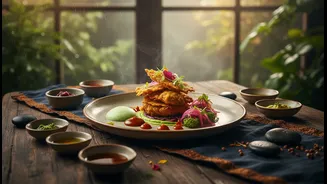
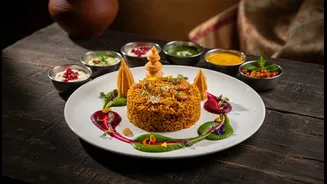
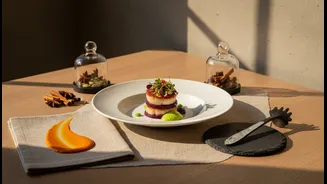
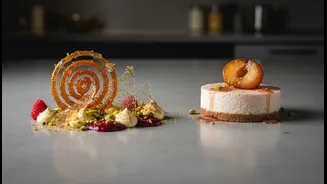
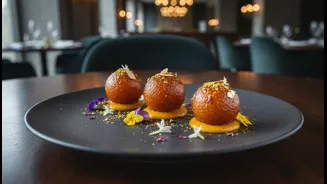
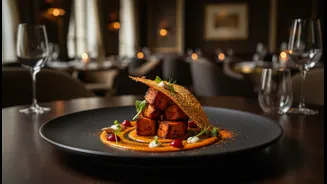
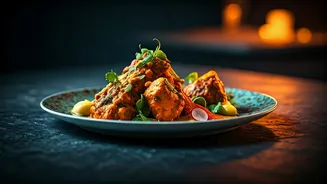
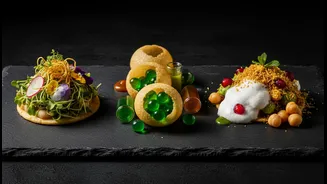
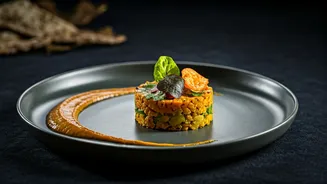
Walk into a progressive Indian restaurant today, and you might find chaat presented in forms you've never imagined. Think Dahi Bhalla transformed into an airy, savoury pastry, or a classic Kulia Chaat from Old Delhi served with refined, modern sauces instead of rustic toppings. Some chefs are turning to global techniques to present familiar flavours in new textures. This has led to innovations like tamarind 'leather' for a clean, acidic snap without the mess, or potato 'soil' that delivers the crunch of a vada pav without the oiliness. Favourite street foods are being styled as gourmet dishes, with pani puri evolving through premium ingredients and creative plating that turns a simple snack into a culinary experience. This isn't about gimmicks; it's about using modern methods to solve old problems and enhance the sensory experience.
Global Techniques, Desi Soul
This culinary movement is powered by the fusion of global cooking methods with traditional Indian flavours. Techniques once confined to European fine dining are now being used to refine Indian classics. Sous-vide, a method of precise temperature-controlled cooking, is used to create impossibly tender kebabs and curries that retain their flavour integrity. Molecular gastronomy, known for its scientific approach to textures, has given rise to flavoured foams and edible spheres that offer a playful twist on traditional tastes. However, as the trend matures, chefs are moving away from spectacle for its own sake. The era of performative modernity, with liquid nitrogen smoke and foams that lacked substance, is fading. In its place, chefs are using these tools with purpose, focusing on enhancing flavour and texture in a way that still feels authentically Indian.
Why Is This Happening Now?
Several factors are driving this creative surge. A new generation of Indian chefs, many with experience in international kitchens, is returning home with a desire to apply global techniques to the flavours they grew up with. At the same time, Indian diners have become more adventurous, seeking novel experiences and authentic yet evolved culinary narratives. The rise of social media has also played a significant role; visually stunning, 'Instagrammable' dishes generate excitement and draw in curious customers. Furthermore, there is a growing appreciation for India's diverse regional cuisines and a move away from generic 'Indian food'. This has encouraged chefs to dive deeper into their own heritage, unearthing forgotten recipes and ingredients like millets and jackfruit, and presenting them in a contemporary context.