


Why Whole Spices Reign Supreme
Ground spices are convenient, but they lose their aromatic oils and potency quickly once exposed to air. Whole spices, on the other hand, keep their essential oils protected within their natural form—be it a seed, pod, or bark. When heated, they release
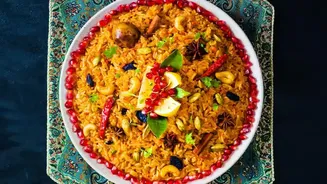
their fragrance more slowly and deeply, infusing every grain of rice with complex flavour rather than just a uniform taste. This gradual release creates layers of aroma, making dishes like pulao and biryani so distinct and enjoyable.
Your Essential Spice Toolkit for Rice
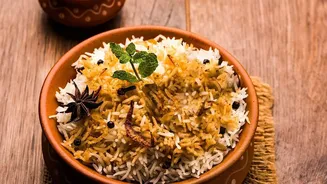
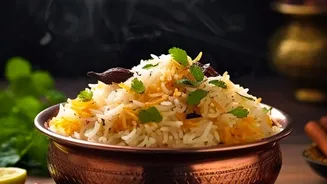
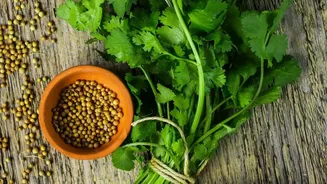
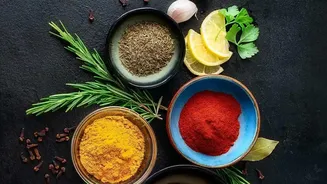
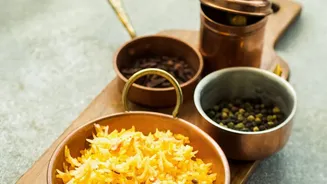
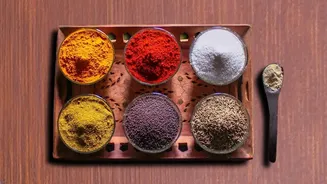
Building a collection of whole spices is simple. For most Indian rice recipes, a few key players are all you need to create a fragrant foundation. Essential spices include cumin seeds (jeera) for a nutty, earthy aroma; green cardamom pods (choti elaichi) for a sweet, floral note; cloves (laung) for a strong, warming pungency; a stick of cinnamon or cassia (dalchini) for woody sweetness; and a bay leaf (tej patta) for a subtle, herbal background scent. Black peppercorns and star anise are also excellent additions for adding gentle heat and a hint of licorice, respectively.
Technique 1: The Art of Tempering
Tempering, known as 'tadka' or 'baghar' in India, is a foundational technique that involves frying whole spices in hot fat like ghee or oil to awaken their essential oils. This aromatic fat is then used as the base for cooking the rice. To do this, heat a tablespoon of ghee or oil in your pot over medium heat. Add the harder spices like cinnamon and cloves first, followed by cardamom and finally smaller seeds like cumin. Let them sizzle for 30 to 60 seconds until they become fragrant—the cumin seeds will darken slightly and the cloves may swell. Be careful not to let them burn, as this will make them taste bitter. Once fragrant, you can add onions or proceed directly to adding your rinsed rice and water.
Technique 2: Infusing the Water
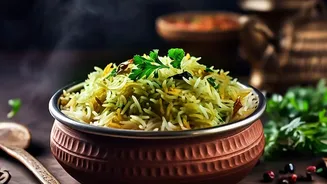
A simpler method, perfect for a quick yet flavourful result, is to add the whole spices directly to the cooking water. After bringing your water and salt to a boil, simply toss in a cinnamon stick, a few cardamom pods, cloves, and a bay leaf. As the rice cooks, it will absorb the subtle flavours of the spices. This technique is less intense than tempering but still provides a wonderful aromatic quality to the finished dish. It’s an excellent starting point for those new to cooking with whole spices.
Perfecting Your Basmati Rice
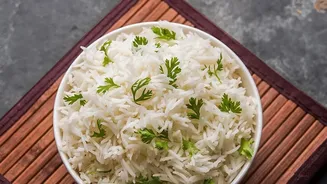
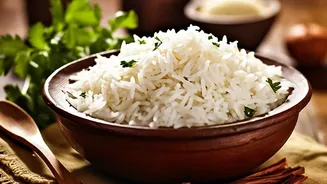
The quality of your final dish also depends heavily on the rice itself. For the fluffiest, most fragrant results, always start with good quality, aged basmati rice. Rinsing the rice under cold water until the water runs clear is a crucial step to remove excess starch that causes stickiness. Soaking the rinsed rice for 20-30 minutes is another game-changer; it allows the grains to absorb water, ensuring they cook evenly and expand to their maximum length. When cooking, use a tight-fitting lid and resist the urge to stir, which can break the delicate grains. After cooking, let the rice rest, covered and off the heat, for about 10 minutes. This allows the grains to firm up and separate. Finally, fluff gently with a fork, never a spoon.
To Remove or Not to Remove?
A common question is whether to remove the whole spices before serving. In many Indian households, the spices are left in and diners simply eat around them. They have already imparted their flavour during the cooking process. However, biting into a whole clove or cardamom pod can be an intense experience for the uninitiated. If you prefer, you can gather the spices in a small muslin bag before adding them to the pot, making them easy to remove before you serve the rice.