






Gear Up: Your First Line of Defence
The right clothing is crucial for comfort and safety when exercising in wet weather. Start with your feet. Invest in trail running shoes with deep, widely-spaced lugs—the studs on the sole—for superior grip on slippery surfaces. While waterproof shoes keep
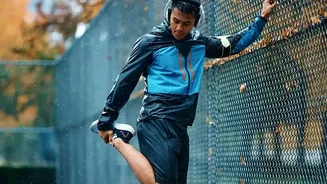
feet dry in shallow puddles, non-waterproof versions drain faster after a full soaking, which can be better for deep mud or water crossings. Pair them with wool or synthetic socks, as cotton holds moisture and can lead to blisters. For clothing, layering is key. Begin with a moisture-wicking base layer made of polyester or nylon to pull sweat away from your skin. Over this, add a lightweight, breathable, and waterproof jacket. Look for one with sealed seams and an adjustable hood to keep rain out without trapping heat. Running tights or waterproof trousers will protect your legs and prevent chafing. Finally, a hat with a brim can keep rain out of your eyes, improving visibility.
Adjust Your Technique for the Terrain
Running on muddy, uneven ground requires a different approach than pounding dry pavement. Shorten your stride and increase your cadence, or the number of steps you take per minute. Taking quicker, lighter steps minimizes the time your foot is on the ground, reducing the chance of a major slip. Focus on landing with your weight over your forefoot, which engages the shoe's tread more effectively and provides better stability, especially on downhills. When you encounter a puddle, it's often better to run straight through it rather than trying to go around. The bottom of a puddle usually offers firmer footing than the slick, muddy banks. Look ahead, pick your line, and commit. Use your arms for balance, and be prepared to slide a little with a slip before correcting your course. Strength training, particularly exercises like squats and lunges, can also build the stability and power needed to navigate challenging terrain.
Safety on Slippery Trails
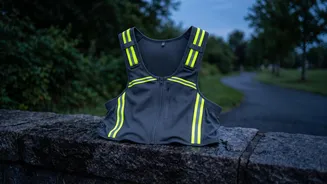
Changing weather conditions can introduce new risks. Before heading out, always check the weather forecast. Heavy rain can cause streams to swell and turn trails into treacherous waterways, while lightning is an immediate reason to stay home or seek shelter. Let someone know your planned route and estimated return time. On the trail, slow down your pace and remain vigilant. Tree roots and rocks become incredibly slick when wet. Trekking poles can provide extra points of contact for better balance and stability. If you're running in low light, wear bright or reflective clothing to ensure you are visible to others. Be aware that rain can dramatically reduce visibility, so carry a map and be confident in your route-finding skills, especially in remote areas. Know your limits and don't be afraid to turn back if conditions worsen or if the trail becomes too dangerous to navigate safely.
The Post-Workout Clean-Up
Once you're home, the work isn't quite over. Get out of your wet clothes as soon as possible to avoid getting chilled. Taking care of your gear will ensure it lasts. Hose down your muddy shoes and clothes outside if possible. To clean your shoes, use a soft brush and cold water; hot water can damage the adhesives. Remove the insoles and laces and allow them to air dry completely. Stuffing them with newspaper can help absorb moisture and speed up the process. For clothes caked in mud, a pre-soak in cold water can help loosen the dirt before putting them in the washing machine. Some runners find success turning muddy items inside-out for a second rinse to ensure all grit is removed.