



1. The Rise of the Culinary Pilgrim
Forget just eating at a famous restaurant. The future of food travel is about total immersion. By 2026, travellers won't just be foodies; they'll be culinary pilgrims, seeking the story behind every bite. This trend moves beyond fine dining to embrace
the entire food ecosystem. Imagine learning to hand-roll pasta with a nonna in a Tuscan village, not as a tourist gimmick, but as a genuine exchange of culinary heritage. Or closer to home, spending a weekend on a spice plantation in Kerala, understanding the journey of cardamom from plant to plate, followed by a cooking class on authentic Syrian Christian cuisine. This new wave is driven by a desire for authenticity. We're no longer content with a sanitised version of a local dish. Travellers are seeking out hyper-local markets in Mexico City for rare chillies, joining fishermen on the Konkan coast at dawn, or taking part in a community grape harvest in Nashik. It’s about understanding terroir—the taste of a place—in its truest sense. Social media has played a role, but it's evolving from just posting pretty pictures of food to documenting genuine, hands-on experiences. The goal is no longer just to taste the food, but to understand its culture, its history, and the people who make it.
2. Wellness as the Destination
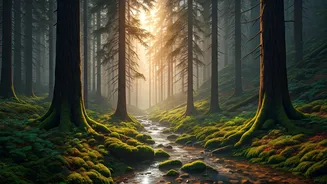
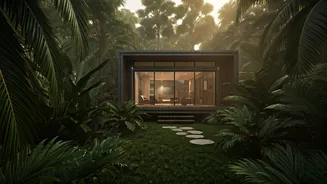
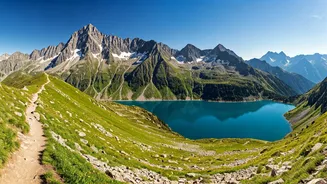
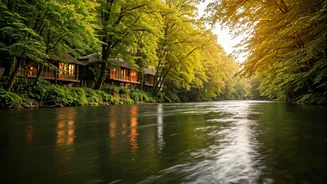
In the past, 'wellness travel' might have meant a few days at a spa with massages and facials. By 2026, this concept will have expanded into a far more holistic and profound journey. The new wellness travel isn't an add-on; it's the entire purpose of the trip. The destination itself is the cure. This trend addresses the burnout and digital fatigue of modern life, offering sanctuaries for both mental and physical restoration. We are seeing a surge in demand for silent retreats in the Himalayas, digital detoxes in remote cabins in the Western Ghats, and guided forest bathing (shinrin-yoku) experiences in the lush forests of Coorg or Uttarakhand. These trips are designed to disconnect you from your devices and reconnect you with yourself and nature. The focus is less on passive pampering and more on active healing—think guided meditation, therapeutic sound baths, yoga immersions, and workshops on mindful living. International destinations like Costa Rica and Iceland are already leaders, offering retreats that combine nature, adventure, and mental clarity. This isn't about escaping life, but about finding the tools and the peace to return to it with renewed purpose and resilience.
3. Culture Beyond the Monuments
For generations, cultural travel meant visiting museums, palaces, and ancient ruins. While these landmarks will always hold their allure, the 2026 traveller is looking for something deeper. They are seeking connection, not just observation. The future of cultural tourism is active, participatory, and profoundly human. It’s about trading the tour bus for a seat at a local family’s dinner table. This shift means prioritising experiences that foster genuine understanding. Instead of just watching a traditional craft being made, travellers will participate in workshops—learning block-printing in Jaipur, pottery in a small Greek village, or the art of calligraphy in Japan. It’s about attending a small, local village festival rather than a massive, commercialised event. Homestays and community-based tourism are at the heart of this movement, offering an unfiltered window into the daily rhythms of a place. For many Indian travellers, this also translates into heritage and ancestral tourism—journeys back to ancestral villages to reconnect with their roots. The ultimate souvenir from this kind of travel isn't an object, but a memory of a shared conversation, a newly learned skill, or a moment of genuine human connection that transcends cultural and linguistic barriers.