



Indian Railways is redefining overnight travel with the Vande Bharat Sleeper, and a newly highlighted feature reveals just how deep that re-evaluation goes. A simple sliding door near the coach entrance is creating buzz for what it means for passenger
comfort.
A Small Change, A Major Upgrade
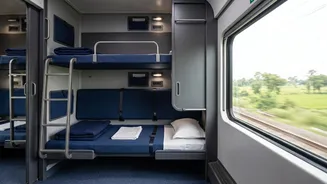
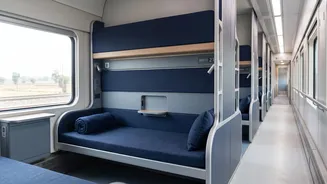
A recently surfaced video by a travel content creator has drawn significant attention to a subtle but important design feature in the upcoming Vande Bharat Sleeper trains. The focus is on a sliding door that separates the main passenger berth area from the coach's primary entrance and vestibule. Unlike conventional long-distance trains, where berths near the doors are often subject to constant disturbance, this new layout introduces a buffer zone. This space is designed to insulate passengers from the noise and movement of people entering, exiting, or passing through the coach, a common complaint on overnight journeys in trains like the Rajdhani Express.
Solving a Common Passenger Grievance
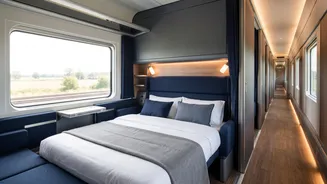
Anyone who has travelled in an AC 3-tier coach knows the challenge of getting a peaceful night's sleep, especially when assigned a berth near the main doors. This area is a high-traffic zone, with frequent movement from passengers, railway staff, and vendors. The constant opening and closing of doors, coupled with conversations and foot traffic, often leads to a disturbed rest. The Vande Bharat Sleeper's design directly addresses this long-standing issue. By positioning the berths further from the entrance and adding the automatic sliding door, it creates a more sealed and tranquil environment within the main cabin, a feature that has been widely praised on social media as a practical and much-needed improvement.
More Than Just a Quieter Ride
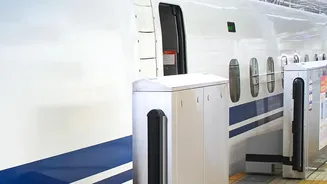
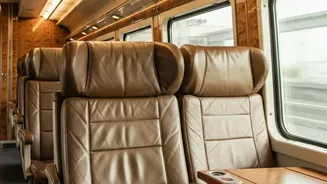
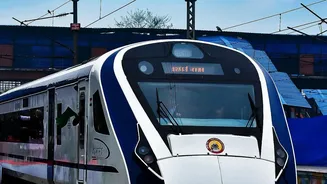
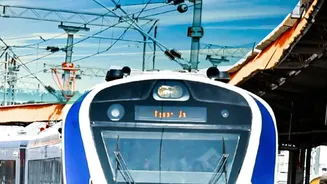
The sliding door is just one piece of a broader design philosophy aimed at elevating the entire passenger experience to world-class standards. The Vande Bharat Sleeper coaches, manufactured by firms including BEML and the Kinet Railway Solutions consortium, are packed with modern amenities. These trains are designed to operate at speeds up to 160 kmph and feature superior suspension for a smoother, less jerky ride. Inside, passengers will find ergonomically designed cushioned berths, individual reading lights, USB charging points, modern bio-vacuum toilets similar to those in aircraft, and a centralized coach monitoring system. For added safety, the coaches feature automatic exterior plug doors, fully sealed gangways to regulate temperature, and the indigenous KAVACH anti-collision system.
Setting a New Standard for Overnight Travel
With these upgrades, Indian Railways is positioning the Vande Bharat Sleeper as a direct competitor to short-haul flights and a significant step up from existing premium trains. The first prototype was rolled out in September 2024, with initial services beginning in early 2026. The typical 16-coach trainset is configured to carry around 823 passengers across AC First, AC 2nd tier, and AC 3rd tier classes. Some configurations will even include showers with hot water in the First AC coaches, a luxury previously unheard of on Indian trains. This focus on comfort, quietness, and modern amenities signals a clear intent to capture the premium long distance travel market.
The Road Ahead for the Sleeper Fleet
The rollout of the Vande Bharat Sleeper fleet is a multi company effort. While BEML, in collaboration with Integral Coach Factory (ICF), developed the first operational trains, other consortiums are also in the manufacturing pipeline. A joint venture led by Rail Vikas Nigam Limited (RVNL) is working on its own prototype, which is now expected to be launched by December 2026, with a contract to produce 120 trainsets. This multi pronged production strategy aims to accelerate the introduction of these modern sleeper trains across the country s vast rail network. The plan is to gradually replace older long distance rakes, making the Vande Bharat Sleeper the new standard for comfortable overnight journeys in India.