


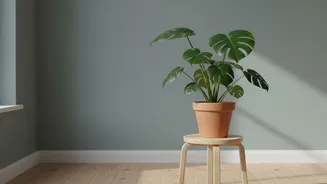
Why Quarantine Is Non-Negotiable
Skipping quarantine is a gamble that experienced plant owners rarely take. A plant that looks perfectly healthy at the store can harbor tiny pests or their eggs, which are often invisible to the naked eye. Pests like spider mites, mealybugs, thrips, and
scale can quickly multiply and spread from the new plant to your established green family, leading to a full-blown infestation that is difficult and stressful to manage. A quarantine period of two to four weeks gives you enough time for these hidden issues to reveal themselves before they cause widespread damage. Think of it as a small investment of patience that protects the health and beauty of your entire indoor garden.
Setting Up Your Isolation Zone
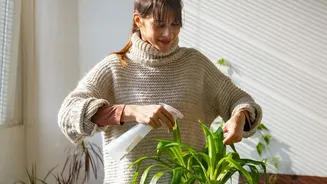
The first step is to create a dedicated quarantine space. This should ideally be in a separate room from your other plants, as some pests can travel short distances. A spare bedroom, bathroom, or even a laundry room with a window can work perfectly. Ensure the location receives the appropriate amount of light for your specific plant. If a separate room isn't an option, find a corner in your home that is as far away from other plants as possible. The key is physical separation to prevent any potential hitchhikers from migrating. During this period, also be mindful of your tools; use separate watering cans or wipe them down thoroughly after tending to the quarantined plant to avoid cross-contamination.
The Art of the Leaf Check
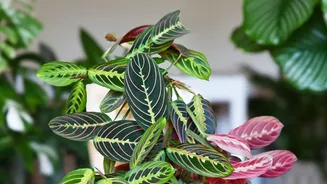
A thorough inspection is the heart of the quarantine process. Before you even place the plant in its isolation spot, give it a comprehensive check-up. Start by examining the leaves, both the tops and, most importantly, the undersides, as this is a favorite hiding spot for many pests. Look for any discoloration, yellow or brown spots, strange textures, or tiny specks that could be pests or their eggs. Check along the stems and in the leaf axils (where the leaf meets the stem), which are common hiding places for mealybugs. Don't forget to inspect the surface of the soil for any signs of movement, like fungus gnats, or unusual mould. A magnifying glass and your phone's flashlight can be invaluable tools for this close examination.
Identifying Common Culprits
Knowing what you're looking for makes inspections much more effective. Spider mites are tiny and create fine, delicate webbing between leaves. Mealybugs appear as small, white, cotton-like masses, often clustered in tight crevices. Scale insects look like small, flat, tan or brown bumps that can be scraped off stems and leaves. Thrips are minuscule insects that cause silvery streaks and leave behind tiny black specks of waste. Finally, fungus gnats are small, dark flies that emerge from the soil, especially after watering. Spotting any of these signs during quarantine means you can treat the single plant before it has a chance to infect others.
Patience and Observation
The quarantine period, typically lasting at least two to four weeks, is a time for patient observation. Check on the plant weekly, repeating your thorough leaf and stem inspection. Water it as you normally would, but hold off on fertilizing, as this can add unnecessary stress. Some experts recommend repotting a new plant during quarantine, which allows you to inspect the root system for pests and replace the nursery soil, which might contain fungus gnat eggs. If you spot any pests, you can treat them with an insecticidal soap or neem oil solution. If after a month the plant shows no signs of pests or disease, it has successfully graduated from quarantine.