






Understanding the Shoulder Season Advantage
Shoulder season is the travel industry's term for the periods just before and after a destination's peak season. For much of the Northern Hemisphere, this means spring (March-April) and autumn (September-October). The primary benefits are compelling:
flights and hotels are often cheaper, and you'll share iconic sights with far fewer people. However, this value comes with a trade-off: weather variability. Unlike the predictable sunshine of peak summer, a shoulder season trip might see cool, crisp days, unexpected rain, or lingering heat. The key isn't to fear this unpredictability, but to plan for it by choosing a destination that aligns with the weather you actually enjoy.
What's Your Weather Profile?
Before you book, be honest about your tolerance. Are you a sun-worshipper who just wants to avoid the biggest crowds? Or do you thrive in cooler, sweater-weather? Understanding your preference is the first step. Let's break it down into three common profiles: 1. The Sun-Seeker on a Budget: You want warm, sunny days for beaches or outdoor exploring, but can’t stand the summer rush. You’re willing to risk a cooler evening or a brief shower for a good deal. 2. The Crisp Air Explorer: You come alive in cool, mild weather. For you, the ideal vacation involves long city walks or countryside hikes without breaking a sweat. You see a jacket as an accessory, not a burden. 3. The All-Weather Deal Hunter: You’re driven by the best prices and the most authentic experiences. A little (or a lot of) rain doesn’t scare you, especially if it means having a popular spot all to yourself and seeing landscapes at their most lush and dramatic.
Destinations for Sun-Seekers
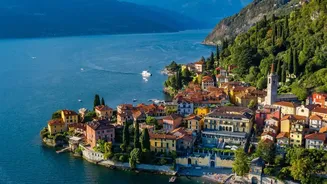
If you crave warmth without the peak-season chaos, target places where the shoulder season offers a gentler version of summer. Think of the Mediterranean in September or early October. Countries like Greece, Italy, and Spain are still blessed with plenty of sunshine and warm seas, but the scorching heat and massive crowds of August have subsided. In India, Goa's shoulder season from mid-June to October sees fewer tourists and lush green landscapes, though you should expect rain. For a trip to Southeast Asia, Bali in September is often ideal, with dry, sunny weather just as peak season wanes.
Ideas for Crisp Air Explorers
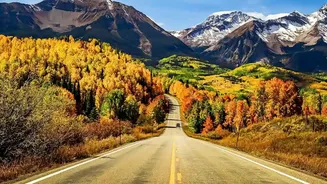
For those who prefer mild temperatures, the shoulder seasons of spring and autumn in Europe are classic choices. Paris in October offers beautiful foliage and fewer tourists, and the weather is perfect for cafe-hopping. In India, the months of October and November are fantastic for exploring Rajasthan's cities like Jaipur and Udaipur, after the monsoon has passed and before the winter chill sets in. The Himalayan foothills in places like Himachal Pradesh and Uttarakhand are also glorious during these months. Further afield, Japan's late spring (May, after the Golden Week rush) offers comfortable weather for exploring cities and nature.
Picks for the All-Weather Deal Hunter
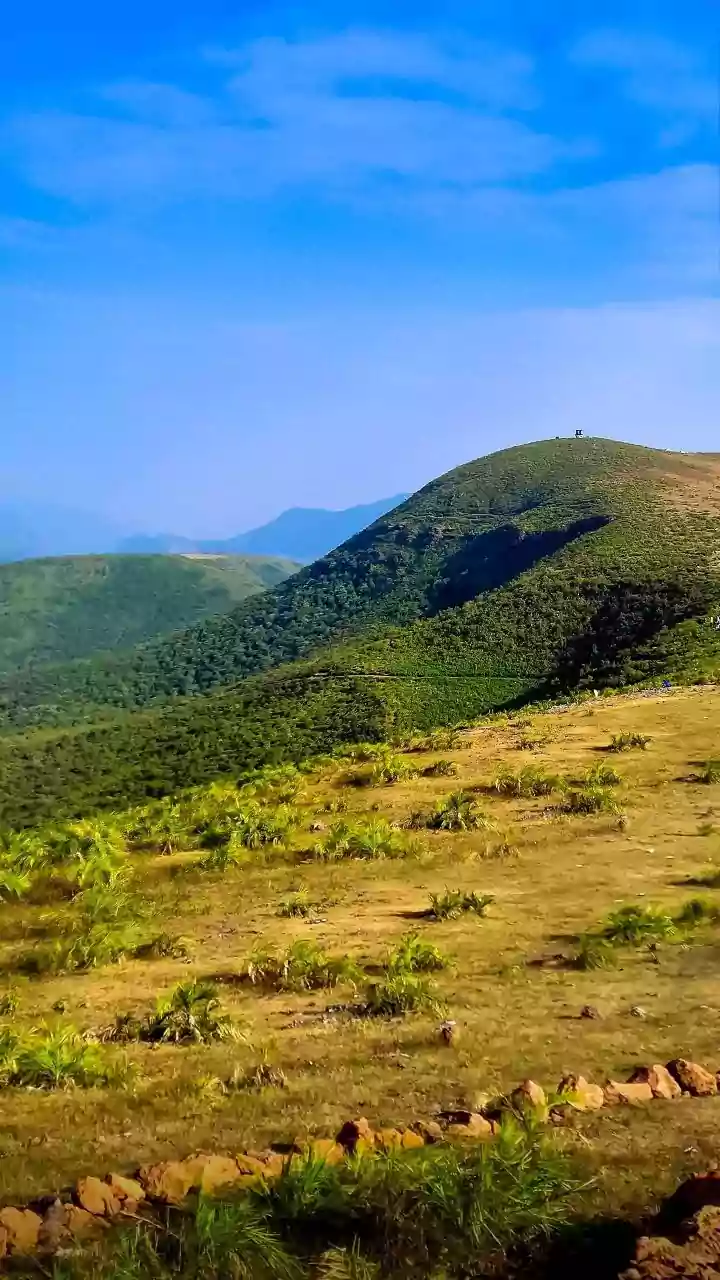
If you're willing to embrace unpredictable weather for the ultimate value, look at destinations at the edge of their rainy season. Thailand in late October or November can offer heavily discounted prices as the monsoon season ends, with a mix of sunshine and rain that leaves the landscape incredibly green. In Kerala, the post-monsoon period from September onwards offers similar benefits, with stunning backwaters and far fewer tourists than in the peak winter months. This is adventure travel at its most rewarding, where a flexible attitude and a good raincoat are your best companions.
Packing and Planning for Success
No matter your destination, the golden rule of shoulder season packing is layering. Start with lightweight t-shirts and add a cardigan or fleece, finishing with a waterproof or windproof jacket. This versatility is crucial for weather that can change from morning to afternoon. Always check local holiday schedules, as a national festival can create peak-like crowds even during a shoulder month. Finally, book accommodations with some flexibility if possible, and check hyper-local weather forecasts just before you leave. A little preparation ensures you can handle whatever the skies have in store.