




The Allure of the 'Better' Seat
After years of shrinking legroom and packed cabins, the option to book a seat in premium economy or a discounted business class feels like a welcome relief. Airlines are aggressively marketing these products as the sweet spot between affordability and comfort.
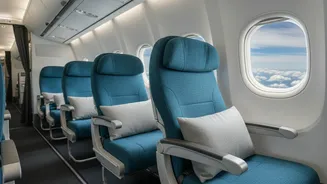
For a price that’s more than economy but significantly less than a full-fare business class ticket, you get a wider seat, more recline, better food, and priority boarding. For long-haul flights, the promise of arriving more refreshed is a powerful incentive, and airlines are leaning in, creating distinct cabin classes to capture travellers willing to pay a little more for a lot more comfort.
The Devil Is in the Fare Rules
Before you click 'buy' on that premium seat, it's crucial to understand the concept of fare classes. Airlines don't just sell seats; they sell packages of rules attached to those seats. These rules, often buried in the fine print, dictate everything from change fees and refundability to baggage allowances and mileage earning. Two tickets for the same flight, even in the same cabin, can have vastly different conditions based on their fare code—a string of letters and numbers like 'W' for premium economy or 'J' for business. A cheaper fare almost always means more restrictive rules.
Premium Economy's Hidden Trade-offs
Premium economy seems like a straightforward upgrade, but airlines are now 'unbundling' these fares, too. A 'basic' or 'light' premium economy ticket might get you the bigger seat, but it could strip away other expected perks. For example, some of the lowest fares in this cabin may not allow you to select your seat in advance, might come with hefty change fees or be entirely non-refundable, and could offer reduced mileage accrual. You might even lose out on the increased baggage allowance that typically comes with a premium cabin. Suddenly, the 'value' looks much less certain if your plans are not set in stone.
Introducing 'Basic Business' Class
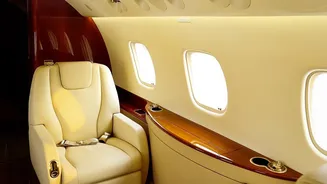
The latest trend to watch is the rise of 'basic business' class. Airlines like Delta and United are now offering a new, lower-priced entry point to their coveted lie-flat seats. You get the same luxurious seat, upscale meals, and onboard service as a full-fare passenger. However, you give up significant ground perks. These tickets often exclude lounge access, have a lower baggage allowance, offer fewer frequent flyer miles, and come with strict rules against changes or refunds. If your main goal is simply a flat bed to sleep on, it can be a good deal. But if you value the full premium experience—including flexibility and airport amenities—this new fare type can feel like a trap.
How to Be a Smarter Traveller
Protecting yourself from a poor value purchase requires a little due diligence. First, never assume what's included. During booking, actively look for a link to 'fare rules' or 'ticket conditions' before you enter your payment details. Second, compare the 'all-in' cost. If you need to check a bag or want to choose your seat, a 'basic' premium fare plus ancillary fees can sometimes cost more than a 'standard' fare that includes those things. Finally, consider your own needs. If your travel plans are 100% fixed and you travel light, a restrictive fare is a great way to save money. If there is any chance your plans might change, paying a bit more for a flexible ticket is often the smarter investment.