




The Silent Creep of Snackflation
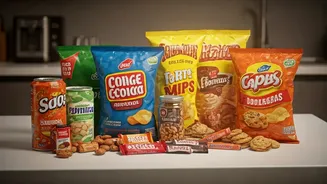
Many of India's major consumer goods companies have been implementing price hikes and reducing pack sizes—a phenomenon often called 'shrinkflation'. Recent data from May 2026 shows food inflation is a significant concern, contributing to a rise in overall
retail inflation. This is driven by several factors, including higher costs for raw materials like edible oils, grains, and sugar, as well as increased packaging and transportation costs linked to fuel prices. Companies are carefully balancing these cost pressures, sometimes choosing to absorb costs to maintain customer loyalty, but price adjustments are becoming more common across the board, from detergents to biscuits. For consumers, this translates to either paying more for the same product or getting less for the same price.
Why a Quarterly Check-In Matters
Trying to track every rupee daily can be exhausting. A quarterly reality check, however, is a manageable and effective strategy. It allows you to spot trends without becoming obsessive. Think of it as a regular financial health check-up for your snacking habits. Prices don't always jump overnight; they often creep up slowly. A three-month review is frequent enough to catch this 'price creep' before it significantly impacts your monthly budget, but not so frequent that it becomes a chore. This allows you to adjust your shopping habits proactively rather than reacting when your budget is already strained.
Step 1: The One-Week Snack Audit
To start your quarterly check, dedicate one week to meticulously tracking your snack-related purchases. This includes everything: the packet of biscuits from the kirana store, the samosas from the street vendor, the late-night ice cream delivery, and the multi-pack of chips from the supermarket. Use a small notebook or a budgeting app on your phone. The goal isn't to judge your choices, but simply to gather data. At the end of the week, categorise and total the spending. This will give you a clear, honest snapshot of where your money is going and which snacking habits are the most expensive.
Step 2: Identify the Price Hikers
With your spending data in hand, the next step is to play detective. Compare the current prices of your regular snack purchases to what they were a few months ago. You might notice your preferred brand of namkeen has reduced its grammage or the cost of your favourite chocolate bar has gone up. Recent reports from early and mid-2026 confirm that many FMCG companies have passed on rising input costs to consumers through selective price increases. This step helps you pinpoint exactly which items are driving up your bill. Sometimes the culprit is a premium, branded item, but it could also be a daily treat that has seen a small but steady price increase.
Step 3: Make Smart, Sustainable Swaps
Once you've identified the high-cost culprits, it's time to strategize. This doesn't mean you have to give up snacking. Instead, focus on smart swaps. If branded chips have become too expensive, consider buying from a local brand or a larger, unbranded pack of namkeen from a wholesale store. Purchasing staples in bulk is often more economical than buying small, convenient packs. With the rise of health consciousness, many are also exploring healthier, and sometimes more affordable, alternatives like roasted chana or making snacks at home. Even small changes, like brewing your own tea instead of buying it out, can add up. The key is to find alternatives that you genuinely enjoy, making the switch sustainable.
Step 4: Look Beyond the Usual Aisles
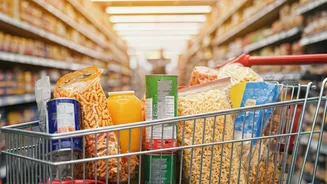
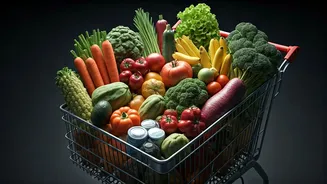
Your shopping habits can make a big difference. While quick commerce apps offer incredible convenience, they can sometimes be more expensive for staple items. Compare prices online and offline. Your local kirana store might offer better deals on certain products, while monthly bulk shopping at a wholesale market can lead to significant savings on items with a long shelf life. Also, keep an eye out for seasonal produce, which is often cheaper and fresher. Planning your meals and snacks for the week and shopping with a list are classic but effective ways to avoid impulse buys and stick to your budget.