






Understanding the New Stay Period
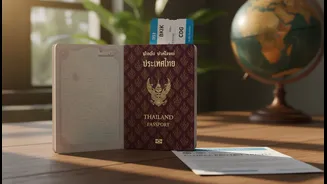
The big news for Indian tourists is a change in Thailand's visa-free scheme. After a period of uncertainty, Thai authorities confirmed that the popular visa-free entry for Indian passport holders will continue. However, there's a catch: the permitted
stay has been reduced from 60 days back to 30 days. This decision was made to tighten immigration controls after concerns that the longer 60-day period was being misused. For most tourists planning a typical holiday of one to two weeks, this change has little practical impact. But for those who were envisioning a longer, more immersive trip, it means planning has become more crucial.
Does a Shorter Stay Mean a Cheaper Trip?
On the surface, a shorter maximum stay might seem like it automatically leads to a cheaper holiday. While your total expenditure will likely be lower on a 15-day trip versus a 45-day one, the per-day cost can actually be higher. Longer stays often allow travellers to benefit from economies of scale. You can negotiate better rates for monthly accommodation rentals, cook some of your own meals, and travel at a more relaxed pace, which often means spending less on expensive last-minute transport. A shorter trip often involves packing in more activities, leading to a higher daily burn rate. The key is to find the sweet spot that matches both your timeline and your wallet.
Budgeting Your Daily Expenses
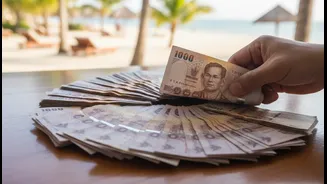
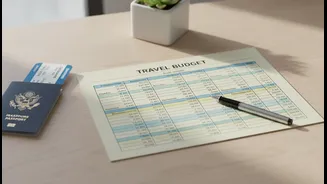
Thailand remains a destination that can cater to all budgets. A budget-conscious backpacker can get by on ₹2,000-₹3,500 ($25-$43) per day, relying on hostel dorms, street food, and public transport. Mid-range travellers who prefer private hotel rooms, a mix of street food and restaurant dining, and occasional taxis or ride-hailing services should budget around ₹6,000-₹10,000 ($72-$120) per day. This allows for comfortable accommodation and popular activities like island-hopping tours or cooking classes. Remember that these daily figures don't include your international flights, visa fees (if applicable), or travel insurance.
Flights and Accommodation: The Biggest Costs
For any trip from India, flights will be a significant part of your budget. Round-trip fares can range from ₹18,000 on a budget airline booked in advance to over ₹55,000 for a premium carrier. Booking during the off-peak season and being flexible with your dates can lead to substantial savings. When it comes to accommodation, the options are endless. Hostel dorms can be found for as little as ₹700 per night, while budget hotels are in the ₹1,600-₹3,300 range. For a longer stay, even within the 30-day limit, consider looking for guesthouses or serviced apartments which can offer better value than hotels for stays longer than a week.
Smart Planning for a 30-Day Itinerary
With a 30-day limit, planning your itinerary becomes more important if you want to see different regions. A common mistake is trying to cram too much in, which increases transport costs and stress. Instead, consider focusing on two or three distinct areas. For example, you could spend ten days exploring the north around Chiang Mai, followed by ten days in Bangkok and its surroundings, and finish with ten days relaxing on the islands in the south like Phuket or Krabi. This approach minimizes costly domestic flights and allows you to immerse yourself in each location. Using overnight buses or trains for long-distance travel is another classic way to save both money and a night's accommodation cost.
What If You Want to Stay Longer?
If 30 days simply isn't enough, you still have options. While the visa-free stay is limited, you can apply for a 60-day tourist visa (TR) from a Thai embassy or consulate before you travel. This requires more paperwork and a fee but provides the certainty of a longer stay. Another option is to use the 30-day visa-free entry and then apply for a 30-day extension at a local immigration office in Thailand, though this comes with a fee and requires spending a day on the process. Planning for these options in advance is essential if a longer trip is your goal.