


First, Understand Your Sunlight
Before buying a single plant, become an observer of your own balcony. The amount and intensity of sunlight it receives is the single most important factor for success. Track the light over a full day to understand your specific conditions. South and west-facing
balconies typically get the most direct, intense sun, especially in the afternoon, making them ideal for sun-worshipping plants like bougainvillea, hibiscus, and marigolds. East-facing balconies receive gentler morning sun, perfect for herbs and many vegetables. North-facing balconies get the least direct light and are best for shade-tolerant foliage plants such as ferns, snake plants, and peace lilies. More than six hours of direct sun is considered 'full sun', while two to four hours is 'partial shade'. Choosing a plant that matches your balcony's light is the first and most crucial step.
The Golden Rules of Watering
Improper watering is one of the most common reasons container gardens fail. Unlike plants in the ground, balcony pots dry out much faster due to limited soil, wind, and heat. The cardinal rule is to check the soil before you water. Stick your finger about an inch or two into the soil; if it feels dry at that depth, it's time for a drink. When you do water, do it thoroughly. Pour water slowly at the base of the plant until it flows out of the pot's drainage holes. This encourages deep, strong root growth. Avoid light, frequent sprinkles that only wet the surface. The best time to water is in the morning, which allows the plant to hydrate before the heat of the day and lets wet leaves dry, preventing fungal issues.
Choose the Right Home and Foundation
The pot and soil you choose are your plant's entire world. First, ensure any container you use has drainage holes at the bottom. Without them, water will stagnate, leading to root rot. When it comes to material, plastic and fibreglass pots are lightweight and retain moisture well, while terracotta pots are porous and dry out faster, which can be good for plants that prefer drier soil but requires more frequent watering. Never use soil directly from a garden bed; it is too dense, compacts easily in pots, and drains poorly. Instead, always opt for a quality, lightweight potting mix, which is typically a blend of peat moss, perlite, and other components that provide aeration and moisture retention. Giving your plant's roots the right environment is essential for its long-term health.
Select Your Green Companions Wisely
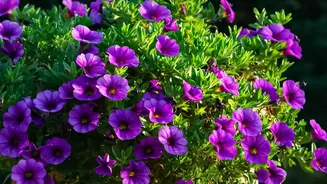
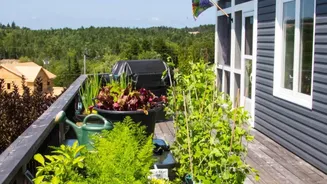
Now that you understand your balcony's conditions, you can select plants that will thrive there. For sunny Indian balconies, flowering plants like marigolds and bougainvillea are excellent, low-maintenance choices. If you're interested in edibles, tomatoes, chillies, mint, and curry leaves grow well in containers with adequate sunlight. For shadier spots with indirect light, consider hardy options like the areca palm, money plant, or snake plant, which add lush greenery without needing hours of direct sun. The key is to match the plant to the place. Don't be tempted to buy a plant just because it looks beautiful at the nursery; confirm its light and water needs first to ensure it's a good fit for your home.
A Simple Approach to Feeding
Plants in containers have limited access to nutrients, as the potting mix gets depleted over time. Regular feeding is necessary to keep them lush and productive. However, it doesn't need to be complicated. A balanced, all-purpose liquid fertiliser, used according to the package directions, is a great starting point for most balcony plants. During the growing season (typically spring and summer), you might feed your plants every two to four weeks. In winter, when plant growth slows down, you can reduce feeding significantly or stop altogether. Organic options like compost or vermicompost are also excellent choices for enriching the soil. A little food goes a long way in promoting vibrant leaves and abundant blooms.