


Bhindi (Okra): The Monsoon Favourite
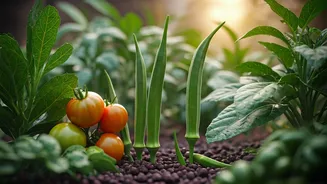
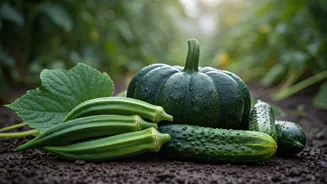
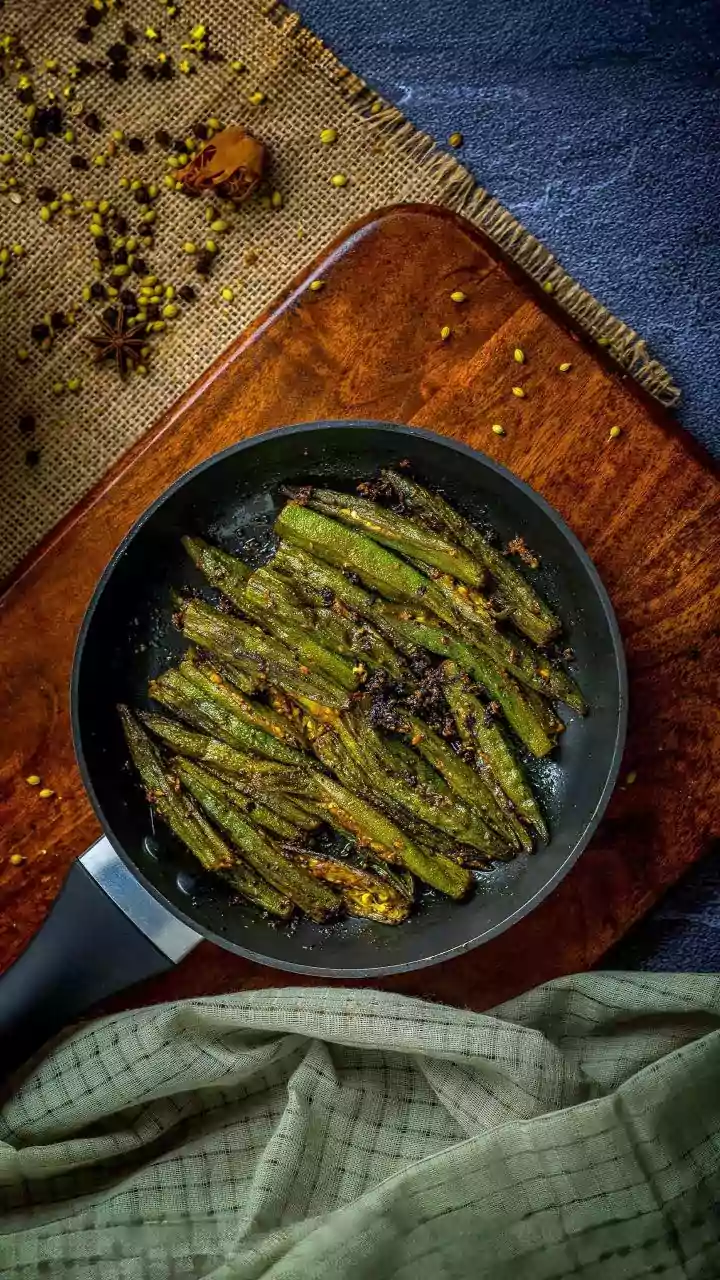
Lady's finger, or bhindi, is a staple in Indian kitchens and, thankfully, one of the easiest vegetables to grow during the monsoon. It loves the humidity and warmth that this season provides. The plant is relatively low-maintenance and yields produce
quickly, making it incredibly rewarding for beginners. For best results, sow the seeds directly into a large pot (at least 10-12 inches deep) or a grow bag. Use a well-draining soil mix, as bhindi plants dislike waterlogged roots. Ensure the pot has drainage holes. They need about 5-6 hours of sunlight daily, so place them in your sunniest balcony spot. You can expect to start harvesting in about 50-60 days.
Lauki (Bottle Gourd): The Prolific Climber
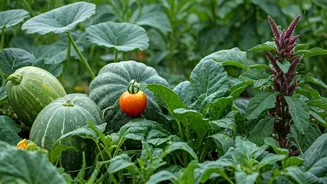
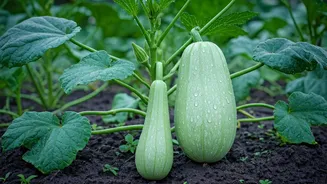
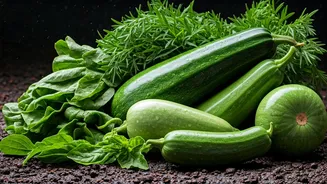
Bottle gourd is a vigorous climber that flourishes in the monsoon. Its broad leaves soak up the ambient moisture, and the plant grows rapidly with the onset of the rains. A single vine can produce an abundance of gourds, making it a high-value addition to your garden. Since it's a climber, you'll need to provide it with a support structure like a trellis, net, or even a simple bamboo frame. Plant the seeds in a large container (15-20 inches) to accommodate its extensive root system. A key monsoon tip is to hand-pollinate the flowers if you notice they are dropping without forming fruit. This is because rain can sometimes wash away pollen or reduce bee activity.
Palak (Spinach): Quick and Nutritious Greens
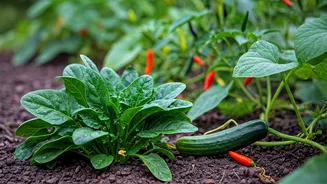
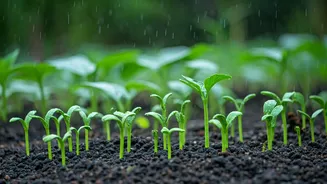
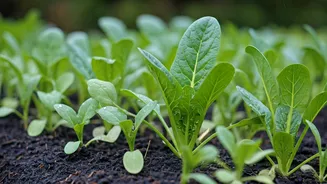
If you want quick results, look no further than spinach. This leafy green grows exceptionally fast in the cooler, moist conditions of the monsoon. You can have a fresh, organic harvest for your dals and sabzis in just 4-6 weeks. Palak can be grown in wide, shallow containers or rectangular planters. Sow the seeds about half an inch deep and keep the soil consistently moist but not soggy. One of the biggest advantages is that you can practice 'cut-and-come-again' harvesting. Simply snip the outer leaves as you need them, and the plant will continue to produce more from the centre. Watch out for leaf miners and slugs, which are more common in the damp weather.
Cucumber (Kheera): The Refreshing Vine
Cucumbers are over 90% water, and they love receiving plenty of it during their growing phase, making the monsoon an ideal time. Homegrown cucumbers have a crunch and flavour that store-bought ones can rarely match. Like bottle gourd, most cucumber varieties are climbers and will need a trellis for support. This also helps with air circulation, which is crucial for preventing fungal diseases like powdery mildew that can appear in high humidity. Plant seeds in a medium-to-large pot and place it where it can get ample sunlight. Ensure excellent drainage to prevent root rot. You’ll be enjoying fresh, crisp cucumbers for your salads and raitas in no time.
Radish (Mooli): The Speedy Root
Radishes are one of the fastest-growing root vegetables, often ready to harvest in as little as 30-40 days. The monsoon's cooler temperatures are perfect for them, as excessive heat can make them woody and overly pungent. They don’t need much space and can be easily grown in containers that are at least 8-10 inches deep to allow the root to develop properly. The soil should be loose and free of stones. A common mistake is overcrowding, so make sure to thin the seedlings to give each radish enough space to bulk up. As a bonus, the radish leaves are also edible and highly nutritious, perfect for a quick stir-fry.
Coriander (Dhania): The Essential Herb
No Indian kitchen is complete without fresh coriander, and it's surprisingly easy to grow at home, especially during the monsoon. The season's moderate temperatures prevent the plant from 'bolting' (flowering prematurely). You can grow dhania in any wide pot with good drainage. For better germination, lightly crush the coriander seeds into two halves before sowing. Keep the soil moist, and the seeds should sprout within a week or two. Place the pot in a spot that receives morning sun but is shaded from the harsh afternoon glare. You can start harvesting the leaves as soon as the plant is a few inches tall, ensuring a constant supply of this essential herb.