





A New Constellation of Rules
The Indian government has significantly amended its Foreign Direct Investment (FDI) policy for the space sector, a move designed to attract international capital and expertise. Previously, most foreign investment in space activities required government approval,
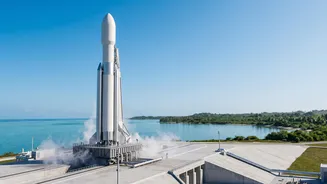
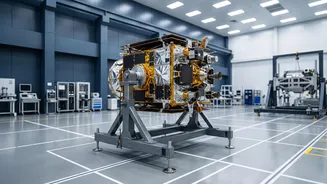
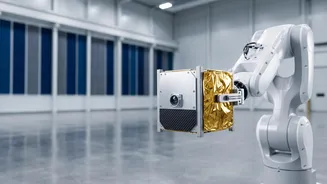
a process that could be lengthy and deter investors. The new framework, which came into effect in April 2024, creates a tiered system with more liberal entry routes. For the manufacturing of space components and subsystems, the government has opened the doors completely, allowing 100% FDI through the automatic route, meaning no prior government approval is needed. This is a major incentive for global manufacturers to set up shop in India. For more sensitive areas, the policy still marks a significant liberalization. Investment of up to 74% is now allowed automatically for satellite manufacturing and operations, as well as for creating satellite data products. For launch vehicles and the development of spaceports, the automatic route limit is set at 49%. Any investment beyond these automatic thresholds is still possible but requires government approval.
Fueling a National Ambition
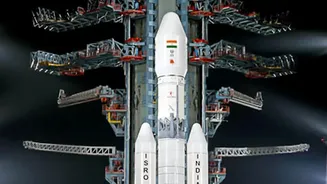
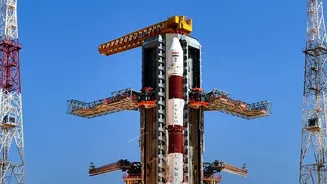
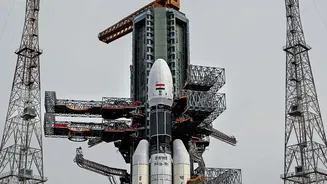
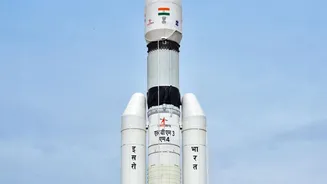
This policy shift is about more than just attracting dollars; it's a strategic move to accelerate India's ambition of becoming a major player in the global space economy. India currently accounts for about 2% of the global space market, with aspirations to increase that share to 10% by 2030 and 15% by 2047. For decades, the Indian space program was the exclusive domain of the Indian Space Research Organisation (ISRO). While ISRO achieved incredible milestones with remarkable cost-efficiency, this state-led model limited the scope for private capital and commercial scaling. Recognizing that the global space economy is rapidly commercializing, the government initiated reforms starting around 2020. The new FDI policy is the logical next step, designed to provide the massive capital infusion needed for a high-cost, high-tech sector. It aims to transform ISRO's role from being the primary operator to a leader in research and development, while empowering a new ecosystem of private companies to handle commercial operations.
A Launchpad for Indian Startups
The relaxed FDI norms are expected to be a game-changer for India’s more than 400 private space startups. These agile companies have been at the forefront of innovation but have often struggled to secure the large-scale, long-term funding required for space ventures. The new rules make it significantly easier for them to raise funds from foreign investors, form joint ventures, and gain access to cutting-edge global technology. This influx of capital will not only help them scale their operations but also integrate them into the global aerospace supply chain. The presence of major international players could also foster a more competitive and dynamic domestic market, pushing Indian companies to innovate faster. The government is further supporting this ecosystem through agencies like the Indian National Space Promotion and Authorization Center (IN-SPACe), which acts as a single-window regulator to guide and authorize private space activities.
Attracting Global Giants
The clear and liberalized FDI policy sends a strong signal to the world's leading space companies that India is open for business. By clarifying the rules and removing ambiguities that existed in the previous policy, the government has created a more transparent and predictable investment environment. International firms can now partner with Indian companies more easily, leveraging India's proven capabilities in frugal engineering and its large pool of skilled talent. For foreign companies, this offers a dual advantage: access to the growing Indian market and the ability to use India as a cost-effective manufacturing and development hub for their global operations. This could lead to an increase in collaborations, technology transfers, and the establishment of Indian subsidiaries by major aerospace firms, further maturing the country's industrial ecosystem.