






The Green Welcome Mat
Indonesia is actively courting a new kind of visitor: the long-stay, high-value digital nomad. With plans for a special visa that could grant a five-year stay, the government aims to attract professionals who contribute to the local economy without straining
resources. The focus isn't just on any location, but on promoting 'eco-certified' hubs. While a single, official certification is still evolving, the term refers to destinations and co-working spaces committed to sustainability. This means practices like waste reduction, reliance on renewable energy, community-based tourism, and conservation efforts are central to their operation. It’s a shift from short-term tourism to a more integrated, responsible way of living and working in paradise.
Hub 1: Canggu, Bali — The Conscious Trendsetter
Once a sleepy surf town, Canggu is now the vibrant heart of Bali's digital nomad scene. It’s where trendy cafes with excellent Wi-Fi meet world-class surf breaks. But beyond the buzz, a strong eco-conscious current is flowing. Co-working spaces here are more than just desks and coffee; many, like Dojo Bali, actively foster a community around sustainability, hosting beach clean-ups and workshops on eco-living. The area is dotted with zero-waste stores and plant-based eateries that source ingredients from local organic farms. For the remote worker looking for a dynamic social scene combined with a tangible sense of purpose and a plethora of networking opportunities, Canggu offers a compelling, high-energy basecamp.
Hub 2: Ubud, Bali — The Spiritual & Sustainable Core
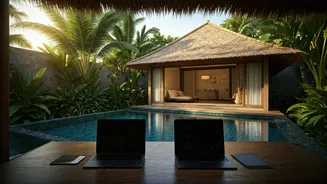
If Canggu is the party, Ubud is the meditation retreat. Nestled among lush rice terraces and ravines, Bali's spiritual centre provides a tranquil backdrop for deep work and personal growth. The eco-ethos here is deeply ingrained, tied to the Balinese philosophy of Tri Hita Karana—harmony between people, nature, and the divine. Co-working spaces like Hubud (one of the island's first) were pioneers in using bamboo architecture and fostering a community of social entrepreneurs. The lifestyle in Ubud is slower, more intentional. Your workday can be punctuated by a yoga class, a visit to a local organic market, or a walk through the Monkey Forest. It's the ideal hub for writers, designers, and wellness practitioners seeking focus, inspiration, and a profound connection to nature.
Hub 3: Lombok & The Gili Islands — The Emerging Frontier
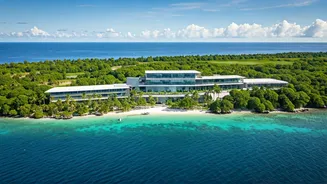
For those who feel Bali has become too mainstream, the neighbouring island of Lombok and the nearby Gili Islands represent the next frontier. Lombok offers dramatic landscapes, from the volcanic peak of Mount Rinjani to pristine southern beaches. Its digital nomad infrastructure is less developed but growing fast, particularly around the Kuta area (not to be confused with Bali's Kuta). The real draw is a more rugged, authentic experience. The Gili Islands (Gili Trawangan, Gili Meno, and Gili Air) are a car-free paradise, perfect for those who truly want to disconnect. These islands are leaders in marine conservation, with numerous projects dedicated to protecting coral reefs and turtle populations. Working here means accepting slower internet for a front-row seat to pioneering eco-tourism efforts.
Logistics for the Responsible Nomad
Before you pack your laptop, a few practicalities are key. Currently, most nomads use a tourist or social visa, making visa runs every couple of months. Keep a close watch on the launch of the official Digital Nomad Visa. Internet can be surprisingly robust in the main hubs but expect fluctuations, especially during storms. Investing in a local SIM card with a large data package is a wise backup. Most importantly, embrace the role of a guest. Being an eco-conscious nomad means more than just choosing a green co-working space. It means respecting local customs, supporting small businesses, minimising your plastic use, and leaving every place a little better than you found it. It’s about integrating, not just inhabiting.