







The Push for a Ban
A large coalition of nations, alongside humanitarian organizations like the International Committee of the Red Cross (ICRC) and activist groups, is calling for a legally binding international treaty to prohibit and restrict autonomous weapons systems.
Their argument is primarily ethical and humanitarian. They warn that allowing machines to make life-or-death decisions on the battlefield erodes human control and accountability. Questions of who is responsible when an AI system makes a mistake—the programmer, the commander, or the manufacturer—remain dangerously unanswered. This group, which includes many African and Latin American countries, argues that such weapons contravene the principles of humanity and the dictates of public conscience, and that 'meaningful human control' must remain the cornerstone of all uses of force.
The Case for Caution, Not Prohibition
On the other side of the debate are major military powers, most notably the United States. While acknowledging the risks, these countries argue against a pre-emptive ban. Instead, they support developing non-binding 'codes of conduct' or 'political declarations' that outline responsible use. The U.S.-led Political Declaration on Responsible Military Use of AI and Autonomy is one such initiative, focusing on ethical guidelines without the force of a treaty. The core argument from this camp is twofold. First, they believe that a complete ban would stifle innovation and place them at a strategic disadvantage against adversaries who would not abide by such rules. Second, they contend that AI, when used responsibly, could actually improve compliance with international humanitarian law by enabling more precise targeting and reducing human error. During recent UN talks, both the U.S. and Russia have actively worked to weaken language that would impose strict limits, preferring a framework that allows for continued development.
The Great Power Dilemma
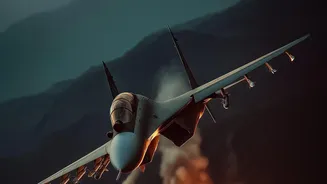
The positions of Russia and China add another layer of complexity, fueling a classic security dilemma. Both nations have poured significant resources into developing military AI, from autonomous drones to AI-enhanced command systems. In public forums, they often express support for some form of regulation and coordinate their positions, criticizing the West's military ambitions. However, their actions tell a different story. Their rapid development of these technologies, coupled with a lack of transparency, creates a deep trust deficit. This gap between their diplomatic rhetoric and military reality makes other powers, like the U.S., hesitant to agree to binding limitations they fear China and Russia would secretly flout. This dynamic encourages a technological arms race, as no major power wants to be left behind, making consensus on a binding treaty incredibly difficult to achieve.
Where India Stands
India occupies a carefully balanced and strategic position in this global debate. As a rising technological and military power, it has participated actively in the UN discussions within the Convention on Certain Conventional Weapons (CCW) framework. India does not support a complete ban, aligning with other major powers who are wary of treaties that could limit their sovereign defence capabilities. New Delhi's stance is that any military use of emerging technologies must comply with existing international humanitarian law. However, India also resists what it sees as potentially discriminatory arms-control agreements and stresses that the focus should be on the 'effects' of a weapon, not the underlying technology itself, which could have beneficial civilian applications. This reflects India's broader strategic autonomy, seeking to keep its options open while contributing to the conversation on global norms.