







The Body’s Critical Cool-Down
Our bodies are built with an internal thermostat that works on a 24-hour cycle. To achieve restorative sleep, our core body temperature needs to drop. Cooler evening air is the natural signal for this process to begin, allowing our systems to rest and
repair. When night-time temperatures remain stubbornly high, the body is denied this crucial recovery period. It's like a marathon runner being told they can't have a water break. The physiological stress accumulates, making us more vulnerable to the next day's heat and preventing our bodies from recovering from the strain already endured.
The Hidden Dangers of Warm Nights
A hot night is more than just uncomfortable; it's a significant health risk. Without a chance to cool down, the cardiovascular system remains under strain as the heart works overtime to pump blood to the skin to dissipate heat. This increases the risk of heart attacks and strokes, particularly for the elderly and those with pre-existing conditions like hypertension and diabetes. Studies have found a direct correlation between high night-time temperatures and increased mortality. Furthermore, sustained heat disrupts sleep, which can impair cognitive function, weaken the immune system, and worsen mental health. Recent data has shown that residents in parts of India are losing a significant amount of sleep annually due to hotter nights, a burden directly linked to climate change.
Our Cities Are Becoming Concrete Ovens
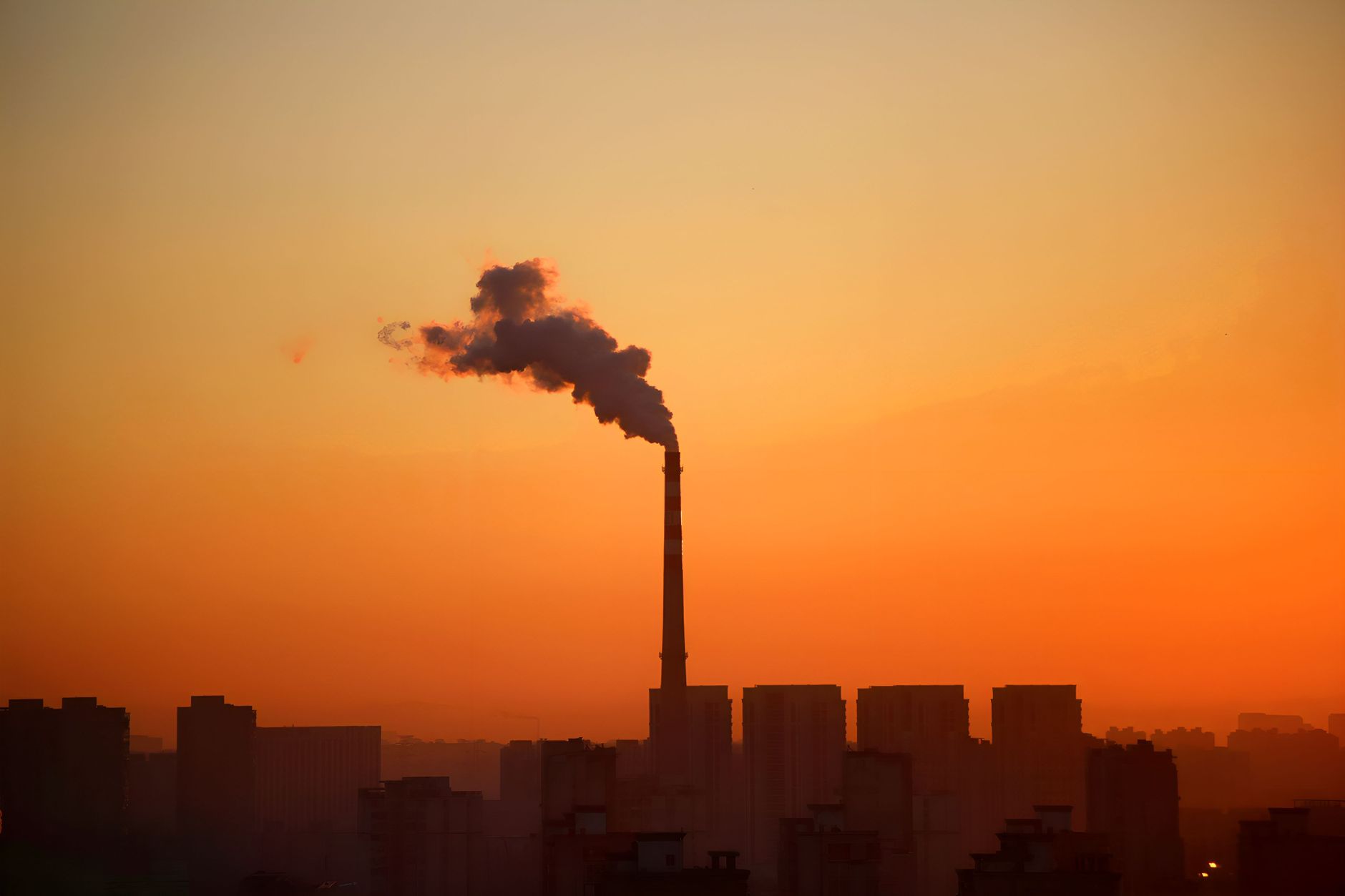
This problem is particularly acute in our rapidly growing cities. The 'urban heat island' effect is a major contributor, where concrete buildings, asphalt roads, and a lack of green space absorb solar radiation all day and continue to radiate that heat long after sunset. This can make urban neighbourhoods several degrees warmer than surrounding rural areas, especially at night. Research shows that nighttime temperatures in many Indian cities are rising faster than daytime temperatures. For those in low-income housing with poor ventilation and no access to air conditioning, homes can turn into inescapable heat traps, with indoor temperatures remaining dangerously high throughout the night.
Rethinking India's Heat Action Plans
Currently, most of India's Heat Action Plans (HAPs) are triggered by daytime maximum temperature thresholds. While these are vital, they often fail to account for the cumulative stress of hot nights. Experts argue that for these plans to be truly effective, they must evolve. A second generation of HAPs is needed, incorporating metrics like night-time temperatures, humidity, and the duration of heat exposure to provide a more accurate picture of the risk. Some states have begun considering night-time forecasts, but this needs to become a nationwide standard. The focus must shift from simply issuing alerts for a hot day to managing the risk of sustained, 24-hour heat exposure.
What Can Be Done?
At a policy level, cities need to integrate cooling strategies into urban planning. This includes promoting cool roofs that reflect sunlight, expanding green cover, and designing buildings that encourage natural ventilation. Designating public buildings as night-time cooling shelters during severe heatwaves could also provide critical relief. For individuals, the advice is to do what you can to create a cooler sleeping environment. Use light-coloured, breathable bedding. Take a cool shower before bed. If possible, try to improve ventilation by opening windows on opposite sides of your home after sunset, if the outside air is cooler. For those with rooftop water tanks, ensuring they are insulated or shaded can prevent the unwelcome surprise of hot tap water at night.