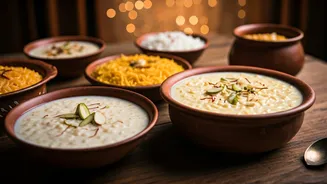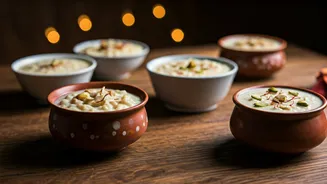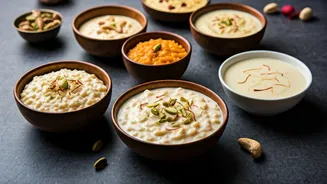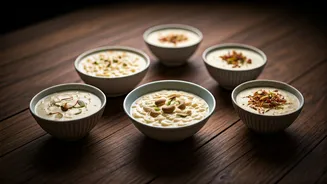



The Classic Comfort: North Indian Chawal ki Kheer
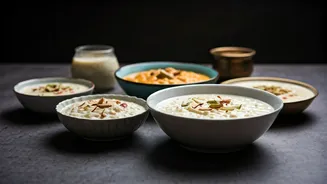
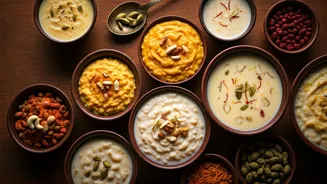
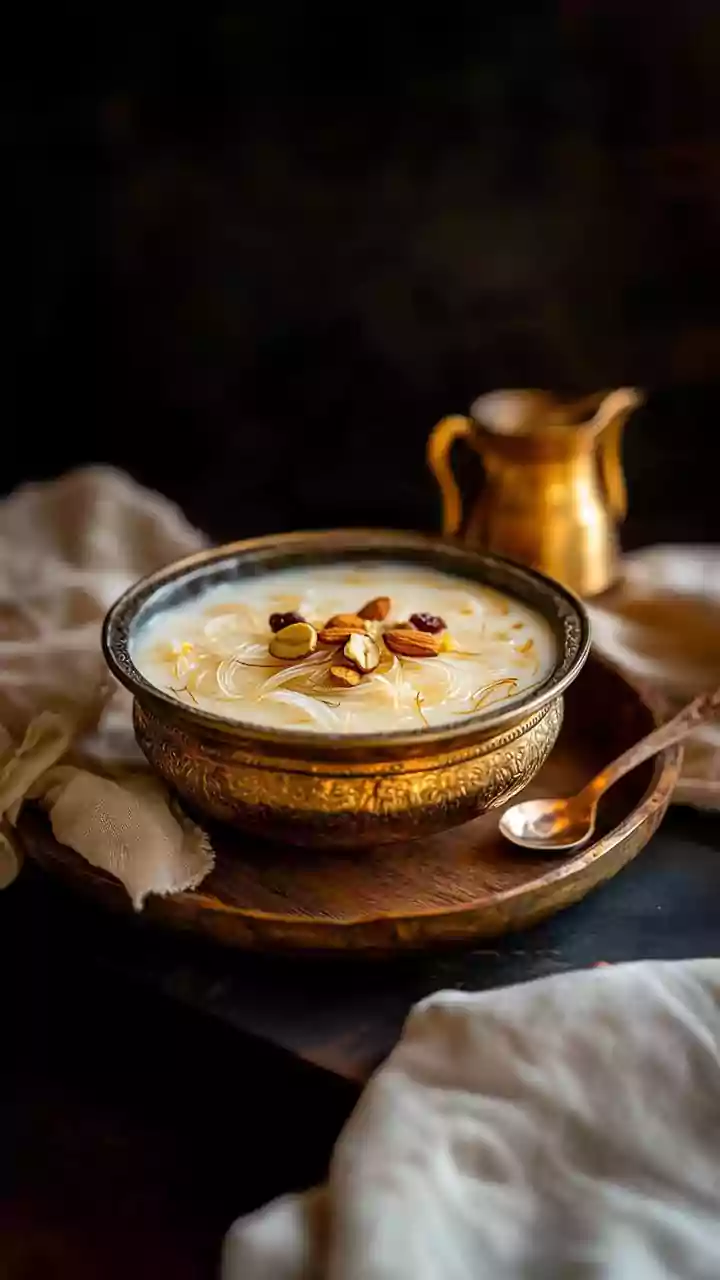
This is the version many of us know and love. Hailing from the northern plains, Chawal ki Kheer is traditionally made with fragrant basmati rice, slow-cooked in full-fat milk until the grains are tender and the milk has thickened into a creamy, luscious
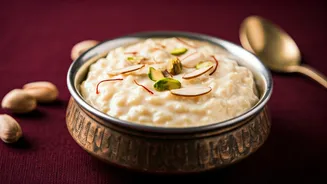
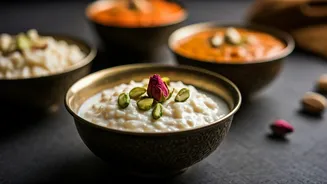
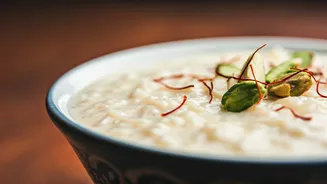
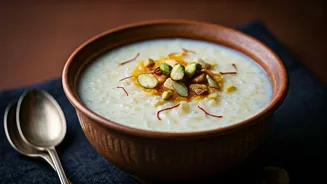
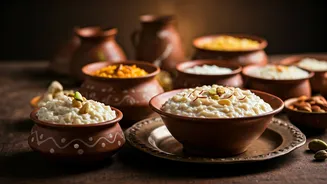
pudding. [29, 21] It’s typically sweetened with sugar and delicately flavoured with green cardamom and saffron, which lends it a beautiful pale-yellow hue and an unmistakable aroma. [29] Garnished with slivered almonds and pistachios, this kheer is the ultimate comfort food, served warm on a chilly evening or chilled during summer festivities. [22, 23] Its simplicity is its strength, providing a perfect base that has inspired countless variations across the country. [20]
The Southern Star: Ada Pradhaman from Kerala
Journey south to Kerala, and kheer transforms into the magnificent Ada Pradhaman, often called the king of payasams. [7] Instead of whole rice grains, this delicacy uses ‘ada,’ which are thin, sun-dried rice flakes or pasta. [13] The magic of Ada Pradhaman lies in its rich, dark sweetness, which comes from jaggery instead of sugar. [5, 6] The cooked ada is simmered in a mixture of jaggery syrup and two stages of coconut milk—a thin milk for cooking and a thick, creamy milk added at the end for richness. [10] The final flourish comes from ghee-roasted cashews, raisins, and crunchy coconut bits, with a hint of cardamom and sometimes dry ginger powder. [13, 5] This payasam is a staple at celebrations like Onam and offers a completely different, deeply satisfying flavour profile. [10]
The Winter Wonder: Nolen Gurer Payesh from Bengal
In Bengal, kheer is known as payesh, and the most prized version is Nolen Gurer Payesh, a seasonal winter delicacy. [9, 15] Its unique, smoky sweetness comes from ‘nolen gur,’ or fresh date palm jaggery, which is available only during the winter months. [15] This payesh is traditionally made with Gobindobhog rice, a short-grained, aromatic rice native to the region. [11] The rice is cooked slowly in milk until it’s soft and the milk has reduced and thickened. [16] The crucial step is to add the nolen gur after taking the payesh off the heat, which prevents the milk from curdling and preserves the gur’s delicate, caramel-like flavour. [15] With a thicker consistency than its northern counterpart, Nolen Gurer Payesh is a true celebration of seasonal produce. [20, 9]
The Royal Indulgence: Gil-e-Firdaus from Hyderabad
From the royal kitchens of Hyderabad comes Gil-e-Firdaus, which translates to 'clay of paradise'. This dessert lives up to its heavenly name with a rich and unique recipe. It’s a masterful blend of grated bottle gourd (lauki), basmati rice, and sabudana (tapioca pearls) cooked in milk. [8, 18, 17] The pudding is made incredibly rich with the addition of khoya (milk solids), condensed milk, and sometimes a paste of almonds or cashews. [19] The subtle flavour of bottle gourd provides a wonderful texture, while the sabudana adds a delightful chewiness. [19] Often served chilled and garnished with fried almonds and edible silver leaf (varq), Gil-e-Firdaus is a staple at Hyderabadi weddings and a testament to the city’s opulent culinary heritage. [8]
The Coastal Charm: Goan Payas
Along the Konkan coast, particularly in Goa, kheer or 'payas' takes on a distinctly tropical character. While rice and milk are common bases, many traditional recipes prominently feature coconut milk and jaggery. [32, 26] One popular variant is 'Mangane,' made with chana dal (split Bengal gram) and sabudana cooked in coconut milk and sweetened with jaggery. [34, 26] Another is a luscious kheer made with bottle gourd in coconut milk, known locally as 'kokondudhi kheer'. [26] These Goan versions often incorporate local rice varieties and are garnished with cashews. They are an essential part of festive meals, especially during celebrations like Ganesh Chaturthi, offering a vegan-friendly and earthy alternative to dairy-based kheers. [31, 32]