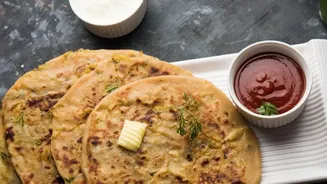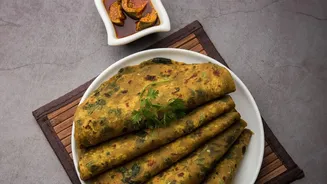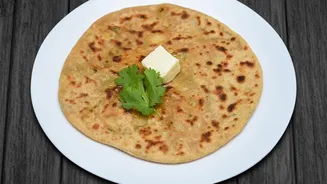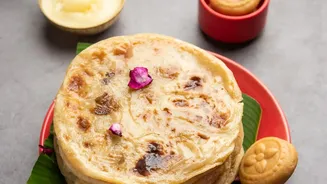

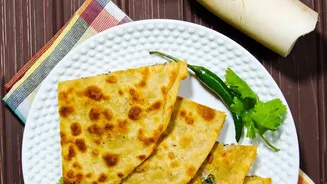

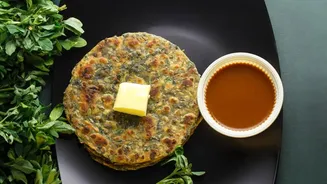
There is nothing quite like a hot, savoury paratha on a crisp winter morning. This recipe combines the earthy goodness of sorghum (jowar) and the sharp, fresh taste of radish (mooli) for a wholesome, gluten-free start to your day.
Why Jowar and Mooli This Winter?
Sorghum, or jowar, is
a gluten-free ancient grain that is a powerhouse of nutrition. It is packed with fibre, protein, B vitamins, and essential minerals like iron and magnesium. Its complex carbohydrates digest slowly, providing sustained energy and helping to manage blood sugar levels, making it an excellent winter staple. Radish, or mooli, is a classic winter vegetable in India for good reason. It's rich in Vitamin C and antioxidants, which help boost immunity during the colder months when coughs and colds are common. Radish is also high in dietary fibre, which aids digestion, and contains compounds that have anti-congestive properties. Together, they create a paratha that is not only flavourful but also deeply nourishing and warming.
Gather Your Ingredients
This recipe blends the flour and vegetables into one cohesive dough, which is easier to handle than a stuffed paratha when working with gluten-free flour. For the Parathas (makes about 6-8): - 2 cups Jowar (Sorghum) Flour - 1 medium Radish (Mooli), finely grated - 1/2 cup finely chopped Radish Greens (optional, but adds flavour and nutrients) - 2 Green Chillies, finely chopped - 1-inch piece of Ginger, grated - 2 teaspoons Ajwain (Carom Seeds) - 1/2 teaspoon Turmeric Powder - Salt to taste - Hot water, as needed to knead - Ghee or oil, for cooking.
Step-by-Step Instructions
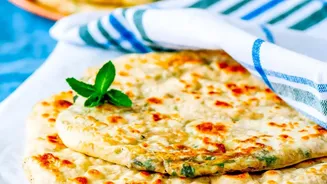
1. Prepare the Radish: Place the grated radish in a bowl and sprinkle with a little salt. Set it aside for 10-15 minutes. This will cause the radish to release its natural water. Squeeze the grated radish firmly to remove all excess water. Do not discard this water; you can use it to knead the dough. 2. Make the Dough: In a large mixing bowl, combine the jowar flour, the squeezed grated radish, chopped radish greens (if using), green chillies, grated ginger, ajwain, turmeric powder, and salt. Mix everything well. 3. Knead: Slowly add hot water (including the reserved radish water) to the flour mixture. Knead until you form a soft, pliable dough. Jowar dough needs to be kneaded well to become smooth. It should not be too sticky or too dry. 4. Rest the Dough: Cover the dough and let it rest for about 15-20 minutes. This helps the flour to hydrate properly. 5. Shape and Roll the Parathas: Divide the dough into equal-sized balls. On a clean surface or between two sheets of parchment paper, gently pat or roll each ball into a circle about 4-5 inches in diameter. Jowar dough lacks gluten, so the edges may crack slightly. Pat them back into shape. 6. Cook the Parathas: Heat a tawa (griddle) over medium heat. Place a paratha on the hot tawa. Cook for about a minute until you see small bubbles. Flip it, apply some ghee or oil on the cooked side, and flip again. Gently press the paratha with a spatula to help it cook evenly. Cook until both sides have golden-brown spots. 7. Serve Hot: Repeat with the remaining dough. Serve the parathas immediately.
Tips for Perfect Gluten-Free Parathas
Working with gluten-free flour can be tricky. Here are a few tips to ensure success: - Use Hot Water: Kneading the jowar dough with hot water makes it softer and easier to roll. - Don't Roll Too Thin: Unlike wheat parathas, gluten-free dough can tear if rolled too thin. A slightly thicker paratha will hold together better. - Parchment Paper is Your Friend: Rolling the dough between sheets of parchment paper or on a plastic sheet prevents it from sticking and makes handling much easier. - Keep them Small: Making smaller parathas makes them less likely to break when you flip them on the tawa.
How to Serve Your Parathas
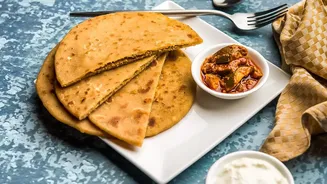
These jowar-mooli parathas are delicious on their own, but they pair beautifully with a few simple accompaniments. A bowl of cool, fresh curd or a flavourful raita balances the earthy taste of the paratha perfectly. A dollop of homemade white butter or a side of your favourite pickle (achar) also makes for a classic and delightful combination. For a more complete meal, you can serve them with a simple potato curry (aloo sabzi) or a comforting dal.