

The Big Pot Problem
It seems logical to give a new plant plenty of room to grow. We choose a large pot thinking we’re providing a spacious home for its roots to expand. However, for a small cutting or a young herb, a big pot is more of a sprawling, waterlogged mansion than
a cosy home. This phenomenon is known as 'overpotting'. A large volume of soil holds a large volume of water. When there are only a few, small roots, they can't absorb all that moisture quickly enough. The excess soil stays wet for days, creating a low-oxygen environment that is the perfect breeding ground for fungi and bacteria that cause root rot. This can lead to wilting, yellowing leaves, and stunted growth, the very opposite of what we want.
Why Small is Mighty for Cuttings
When you place a freshly rooted cutting in a small pot—typically just 2 to 4 inches in diameter—you create an environment that encourages success. The limited soil volume means the small root system can quickly draw up the available water. This allows the soil to dry out more evenly and quickly between waterings, pulling fresh air and oxygen down to the roots. This cycle of watering and drying is crucial for developing a strong, healthy root system. A smaller pot concentrates the plant's energy on establishing these roots rather than getting lost in a vast expanse of soil. Think of it as providing a snug, secure space where the new plant feels safe to put down roots and begin its growth journey.
The Perfect Partners: Compact Herbs
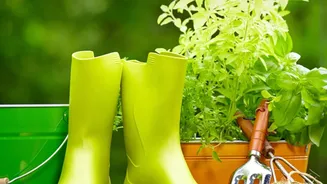
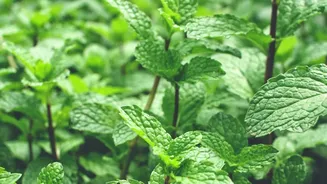
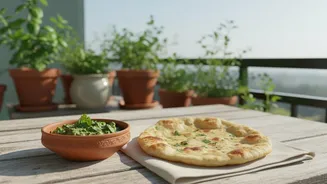
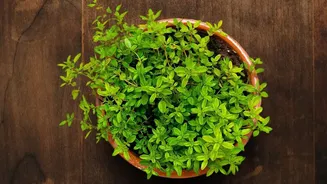
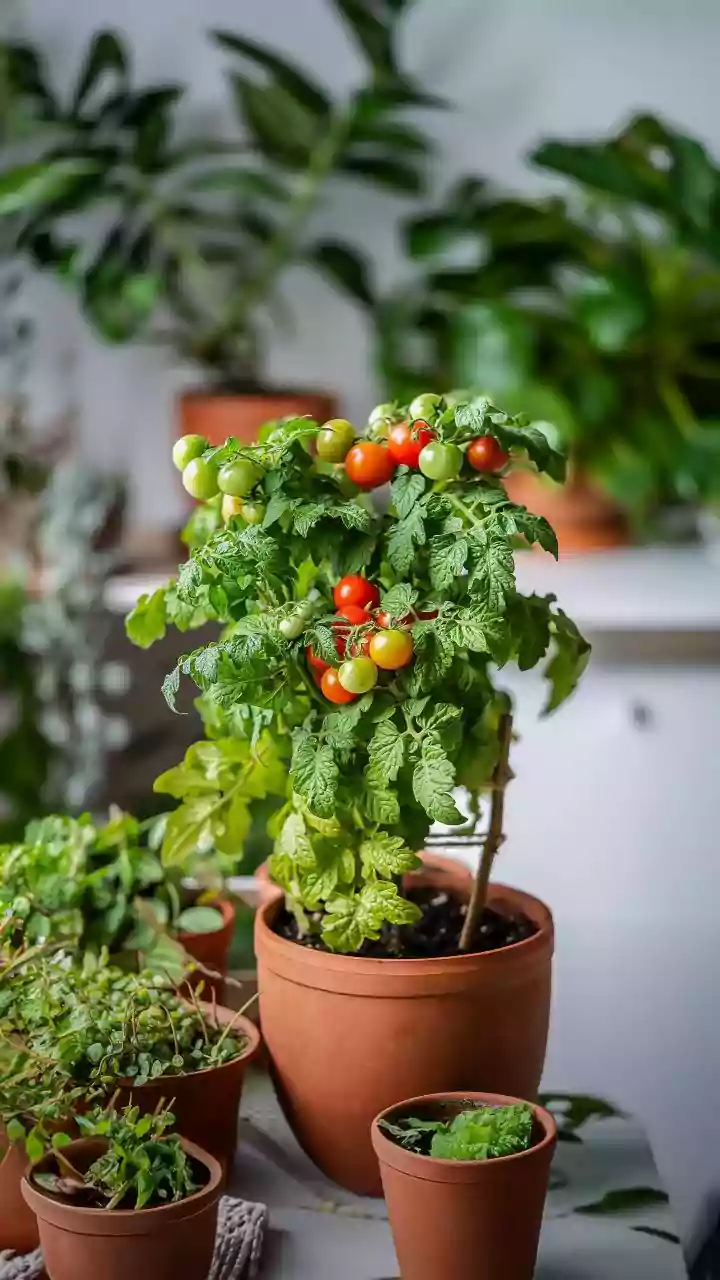
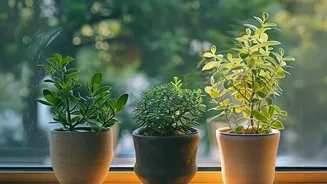
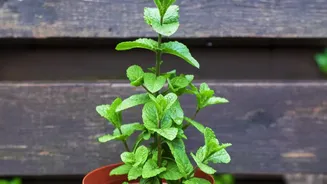
Like cuttings, many popular herbs thrive in the confines of a smaller container. This is especially true for those we love to keep on a sunny kitchen windowsill in India, such as mint (pudina), tulsi (holy basil), and chives. These plants often have smaller root systems and prefer their soil to dry out slightly between waterings. A compact pot, around 6 to 8 inches, provides just enough space without the risk of waterlogging that a larger planter would pose. Growing herbs in containers also offers fantastic control over their environment, from soil type to sunlight, and makes it easy to bring them indoors during harsh weather.
Choosing Your Small Planter
When selecting a small planter, two things are non-negotiable: drainage holes and appropriate material. Drainage is essential to let excess water escape and prevent root rot. If you fall in love with a decorative pot that has no holes, you can either drill them yourself or use it as a 'cachepot' by placing a smaller plastic pot with drainage inside. The material of the pot also matters. Terracotta is an excellent choice for plants that dislike 'wet feet'. Its porous nature allows air and moisture to pass through, helping the soil dry out more quickly. Plastic pots, on the other hand, retain moisture longer, which can be useful but also requires more careful watering to avoid problems.
A Rule for All Plants
This 'small pot' principle isn’t just for cuttings and herbs; it’s a golden rule for repotting almost any houseplant. The standard advice is to only move up one pot size at a time, choosing a new container that is just 1 to 2 inches wider in diameter than the previous one. This gradual increase ensures the roots are never overwhelmed by too much wet soil. Before you repot, gently check the plant’s root ball. If the roots are tightly wound and circling the bottom of the pot, it’s time for a slightly larger home. If you see more soil than roots, the plant is likely happy where it is for a while longer.