






The Scent of the Season
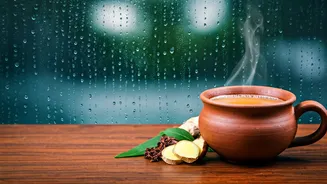
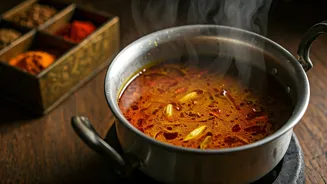
There are certain scents that are inextricably linked to the Indian monsoon. The petrichor of the first rains hitting dry earth, the sizzle of pakoras in hot oil, and the sharp, medicinal fragrance of a simmering pot of kadha. As the skies turn grey and a damp
chill enters the air, so does the seasonal sniffle. For generations, the default first line of defence has not been a pill, but a potent, steaming mug of this traditional herbal decoction. It’s a ritual passed down from grandmothers to mothers, a comforting brew that promises warmth and wellness in every sip.
What Exactly Is Kadha?
At its core, kadha (or kashayam in the South) is a simple Ayurvedic drink, a herbal tea made by boiling a specific combination of spices and herbs in water until the liquid reduces and becomes concentrated. There is no single, rigid recipe; it varies from household to household, a liquid heirloom tailored to a family's palate and traditions. Some recipes are fiercely guarded secrets, while others are generously shared. The goal, however, remains the same: to create a potent brew packed with ingredients believed to boost immunity, soothe a sore throat, and provide relief from coughs and colds that are all too common during the wet, humid monsoon months.
The Power-Packed Ingredients
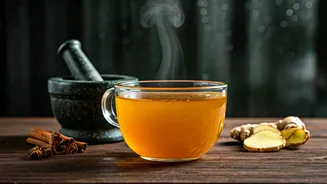
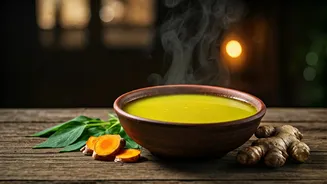
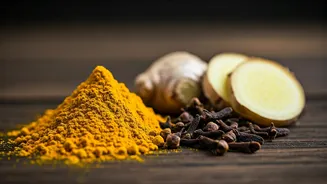
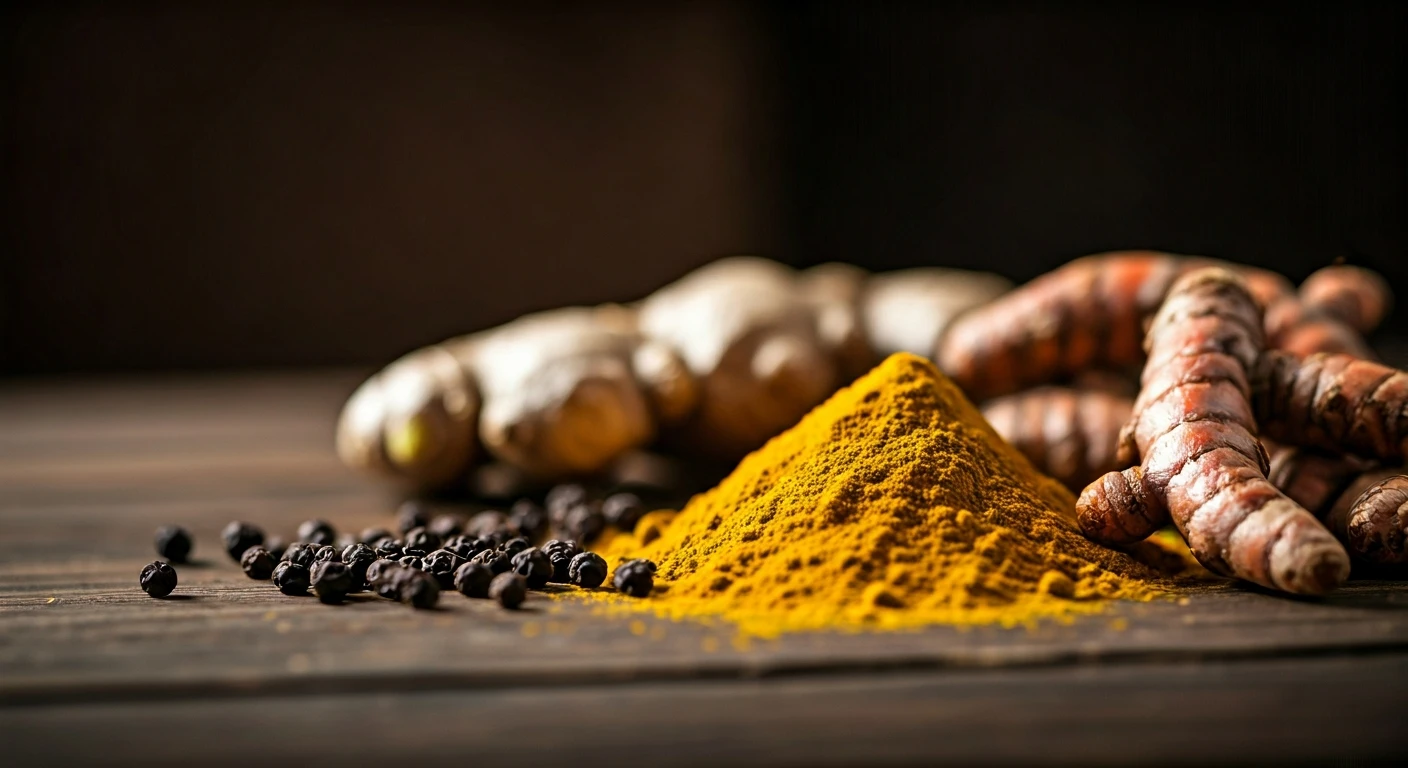
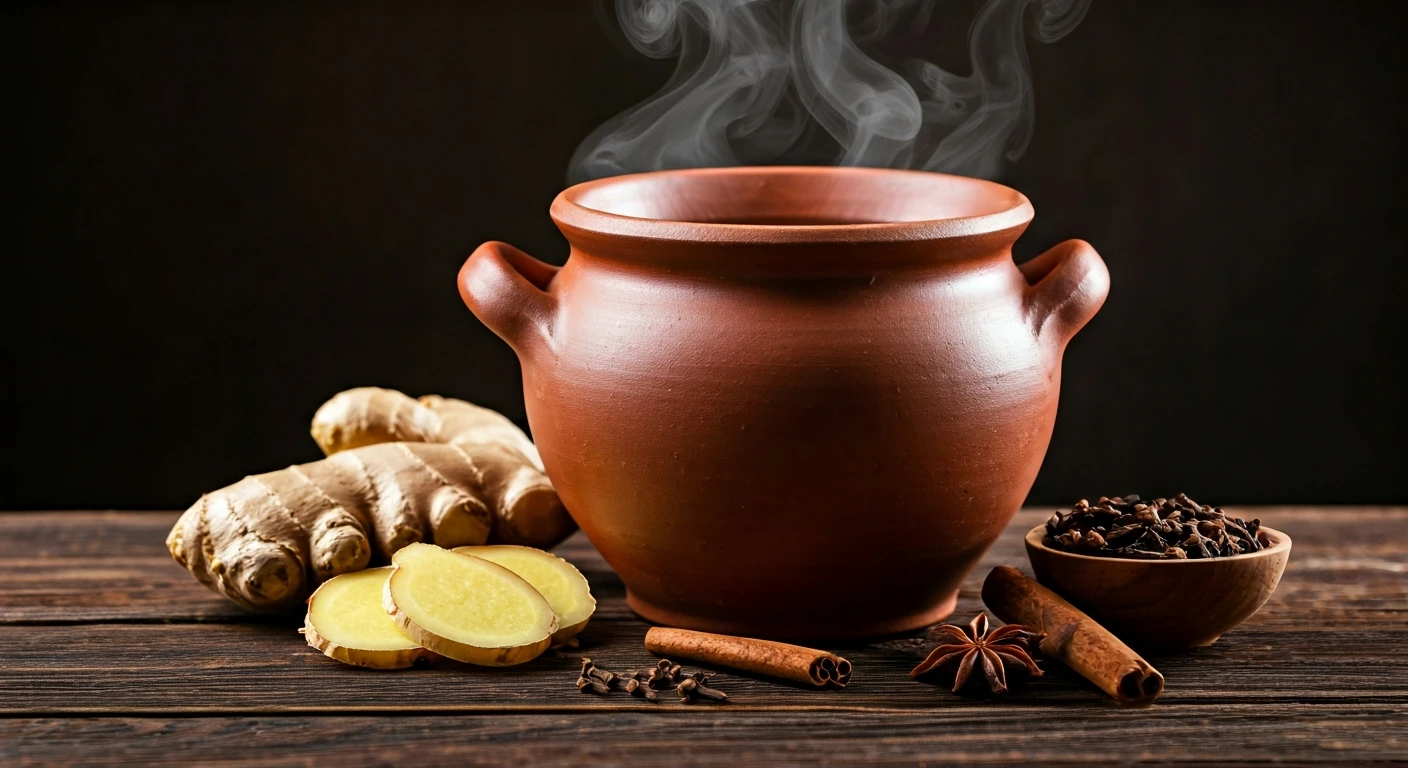
The magic of kadha lies in its symphony of common kitchen spices, each with its own legacy in traditional Indian medicine. Tulsi (Holy Basil) is revered for its perceived immunity-boosting properties. Adrak (ginger) is the go-to for soothing sore throats and its anti-inflammatory effects. Kali Mirch (black peppercorns) and Laung (cloves) are known for their antibacterial qualities and ability to clear congestion. Dalchini (cinnamon) adds a sweet warmth and is packed with antioxidants. Other common additions include mulethi (liquorice root) for coughs, turmeric for its antiseptic power, and a final squeeze of lemon for Vitamin C. This isn't just a random mix; it's a carefully curated selection of nature's finest defenders, steeped in centuries of observational wisdom.
More Than Just a Remedy
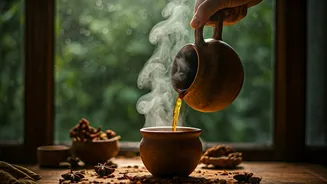
To reduce kadha to a mere health drink would be to miss its emotional significance. For many, the aroma itself is a form of nostalgia. It’s the scent of being cared for, of a parent's gentle insistence to “finish your cup.” It represents a proactive act of love—a pot bubbling on the stove is a household’s way of preparing, of looking after its own. In a fast-paced world of instant fixes, the slow, deliberate process of crushing spices, simmering the brew, and waiting for it to steep is a meditative ritual. It connects us to a slower, more intentional way of life and to the generations before us who did the very same thing when the clouds gathered.
A Modern Revival
While it never truly went away, kadha saw a massive resurgence in recent years. The global focus on immunity brought traditional wisdom back to the forefront. Suddenly, urban kitchens, which may have drifted towards green teas and cold brews, were re-embracing the humble kadha. Social media was flooded with recipes and reels, as a younger generation discovered or rediscovered its benefits. This modern revival isn’t just about health; it’s a cultural reclamation. It’s an acknowledgment that sometimes, the most effective solutions are not found in a factory, but in the spice box that has been sitting in our kitchens all along.