



More Than a Pristine Postcard
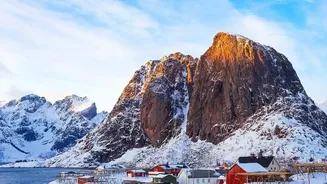
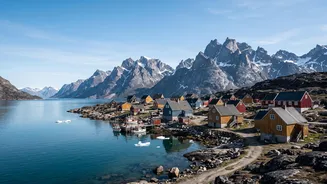
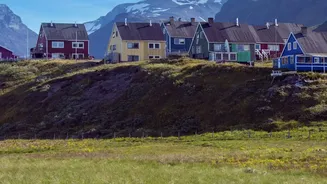
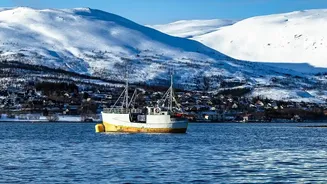
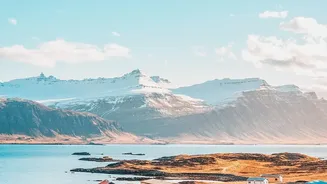
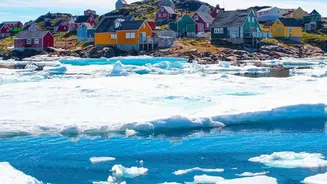
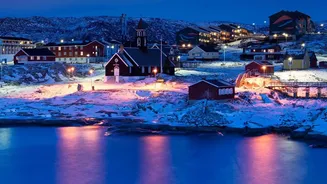
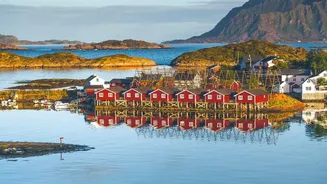
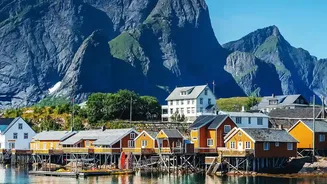
Imagine small, brightly coloured houses dotting a rugged coastline, set against a dramatic backdrop of towering icebergs and deep blue fjords. This is the reality of Greenland's small villages, communities that are as breathtakingly beautiful as they
are fragile. For generations, life in these settlements, many of which are home to Indigenous Inuit populations, has been dictated by the seasons and a deep connection to the land and sea. But as the world takes notice of Greenland's unique allure, the island stands at a crossroads: how to welcome visitors without sacrificing the very culture and pristine nature that makes it so special. The answer, it seems, lies not in shutting the world out, but in inviting it in, on Greenland's own terms.
The New Rules of Arctic Travel
Greenland is consciously choosing quality over quantity, championing a model of 'value-creating tourism'. The goal is to attract visitors who stay longer, spend more locally, and engage deeply with the culture. This philosophy is outlined in official strategies and visitor pledges that guide travellers on how to be respectful guests. The core principles are simple but profound: support local businesses, respect cultural traditions, and leave no trace. Visitors are encouraged to buy handicrafts directly from artisans, eat at local cafes, and hire local guides, ensuring that tourist revenue directly benefits the community. This approach turns a simple holiday into a meaningful exchange, where travellers become active participants in the preservation of Greenlandic heritage.
From Visitor to Custodian
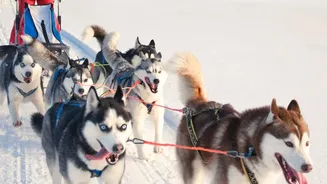
The impact of this mindful approach is tangible. Instead of overwhelming small ports, many visitors arrive on small expedition ships that coordinate closely with communities to ensure their presence is a benefit, not a burden. Tourists learn that sustainability here has a unique context; for example, eating local, wild-caught meat is often more environmentally friendly than eating imported vegetables. They participate in activities that sustain traditions, such as 'meet the dogs' tours that support sled dog owners and the preservation of Greenland's unique dog sledding culture. This respectful engagement fosters a sense of stewardship. Visitors are not just passive observers; they are contributing to a system that helps local services and cultural initiatives survive and thrive.
A Future Built on Partnership
This collaborative model is a deliberate strategy from organisations like Visit Greenland, which aim to have tourism developed 'with' the community, not 'for' it. National goals include ensuring that a high percentage of Greenlanders feel they can influence tourism in their area and perceive it as a positive force. By creating culturally rooted activities, from traditional dance to culinary experiences, communities generate income while sharing their heritage authentically. This provides crucial employment opportunities, especially for young people, and presents a viable economic alternative to more extractive industries. In a very real sense, the right kind of tourism is helping to secure the future of these remote villages against the pressures of depopulation and globalisation.