







The Forgotten Foundation: Why Your Scalp Matters
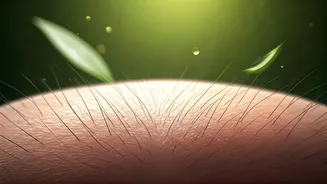
Think of your scalp as the soil from which your hair grows. Just like nutrient-rich soil is essential for healthy plants, a healthy scalp is the non-negotiable starting point for strong, vibrant hair. [4] It's a complex ecosystem of skin, hair follicles,
and microorganisms that requires balance. [5, 7] When this environment is clean, well-nourished, and has good blood circulation, hair follicles can function at their best, leading to better hair growth and thickness. [3, 6] Neglecting the scalp can lead to clogged follicles from oil, dead skin cells, and product buildup, which can hinder hair growth and contribute to problems like shedding and thinning. [6]
Rethinking Rituals: Oiling and Cleansing
Hair oiling is a cherished tradition in India, praised for its ability to nourish and strengthen hair. [8, 19] Massaging oil into the scalp can increase blood circulation and help with exfoliation, which may reduce hair fall. [8] However, modern dermatology adds a crucial caveat: moderation is key. Leaving oil on for too long, especially on an oily scalp, can clog pores and attract dirt, potentially leading to dandruff and fungal growth. [18, 22] Experts suggest limiting oiling to once or twice a week and washing it off within a few hours. [26] It's also vital to choose the right oil; lightweight oils like coconut or almond are often preferred. [18] Equally important is proper cleansing. Using a gentle, sulphate-free shampoo helps remove dirt and excess oil without stripping the scalp of its essential natural moisture. [15, 19]
Decoding Scalp Distress: From Dandruff to Buildup
Is your scalp trying to tell you something? An itchy, flaky scalp can be a sign of anything from simple dryness to dandruff or product buildup. [9] Dandruff is often linked to an overgrowth of a naturally occurring yeast on the scalp, which thrives in oily environments. [21] Product buildup, on the other hand, comes from the residue of stylers, conditioners, and even some shampoos, leaving hair looking dull and limp. [9] For dandruff, medicated shampoos with ingredients like ketoconazole or zinc pyrithione can be effective. [9, 20] To tackle buildup, incorporating a clarifying shampoo once every couple of weeks can deeply cleanse the scalp. [20] Paying attention to these signals and responding with the right treatment is a core part of scalp-centric hair care.
The Rise of the 'Skin-ification' of Hair Care
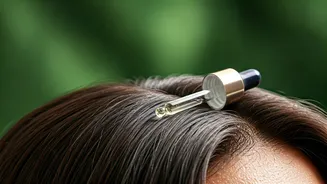
The beauty world is embracing the 'skin-ification' of hair, treating the scalp with the same care and targeted ingredients as the skin on our face. This means looking beyond just shampoo and conditioner. Scalp exfoliation, for instance, is gaining popularity. Done once or twice a week with a physical scrub or a chemical exfoliant (like salicylic acid), it helps remove dead skin cells and product residue, allowing follicles to breathe. [14, 16] However, it's crucial to be gentle and avoid over-exfoliating, which can cause irritation. [16] Scalp serums, packed with nutrients, peptides, or hydrating agents like hyaluronic acid, are also emerging as a way to deliver targeted treatments directly to the hair root, promoting a healthier environment for growth. [4, 17]
Simple Swaps for a Healthier Scalp
Improving scalp health doesn't require a complete overhaul of your routine. Small, consistent changes can make a big difference. Start by choosing a shampoo based on your scalp type (oily, dry, sensitive) rather than just your hair type. [23, 30] Wash your hair with lukewarm water instead of hot water, as high temperatures can strip the scalp of its natural oils. [25] Don't tie your hair up tightly when it's wet, which can cause breakage and stress on the follicles. [24] Finally, remember that scalp health is also influenced from within. A balanced diet rich in protein, vitamins, and minerals, along with managing stress, plays a vital role in the health of your hair from the very beginning. [5, 18]