




The Stratosphere's Delicate Balance
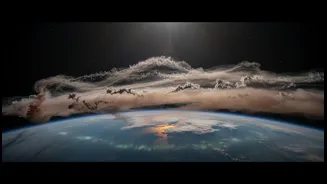
Scientists have long understood that the stratosphere, the atmospheric layer roughly 10 to 50 kilometres above Earth, is a critical player in our planet's climate. It’s extremely dry compared to the layer below it, the troposphere, where our weather happens.
This dryness is maintained by a cold trap at the tropopause—the boundary between these two layers—which freezes out most water vapor before it can ascend. The amount of water vapor that does make it into the stratosphere has a significant impact, acting as a powerful greenhouse gas that traps heat and influences chemical processes, including the depletion of the protective ozone layer. For decades, climate models have been built on the understanding that changes in stratospheric water vapor were primarily driven by factors like the slow warming of the ocean's surface.
Nature's Unexpected Injections
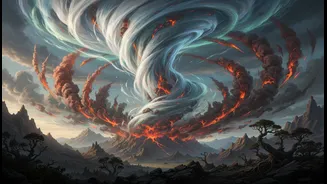
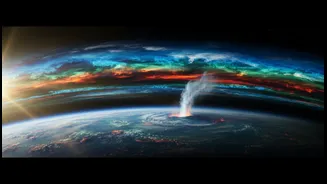
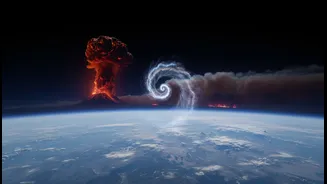
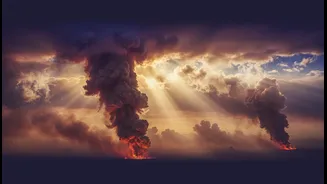
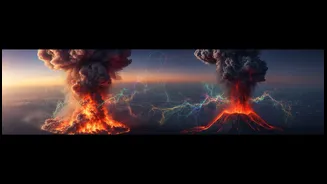
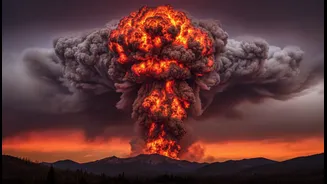
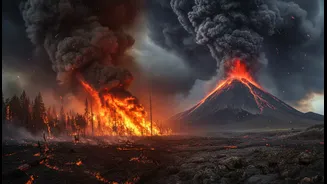
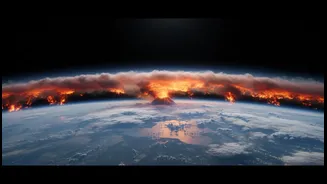
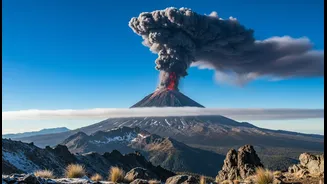
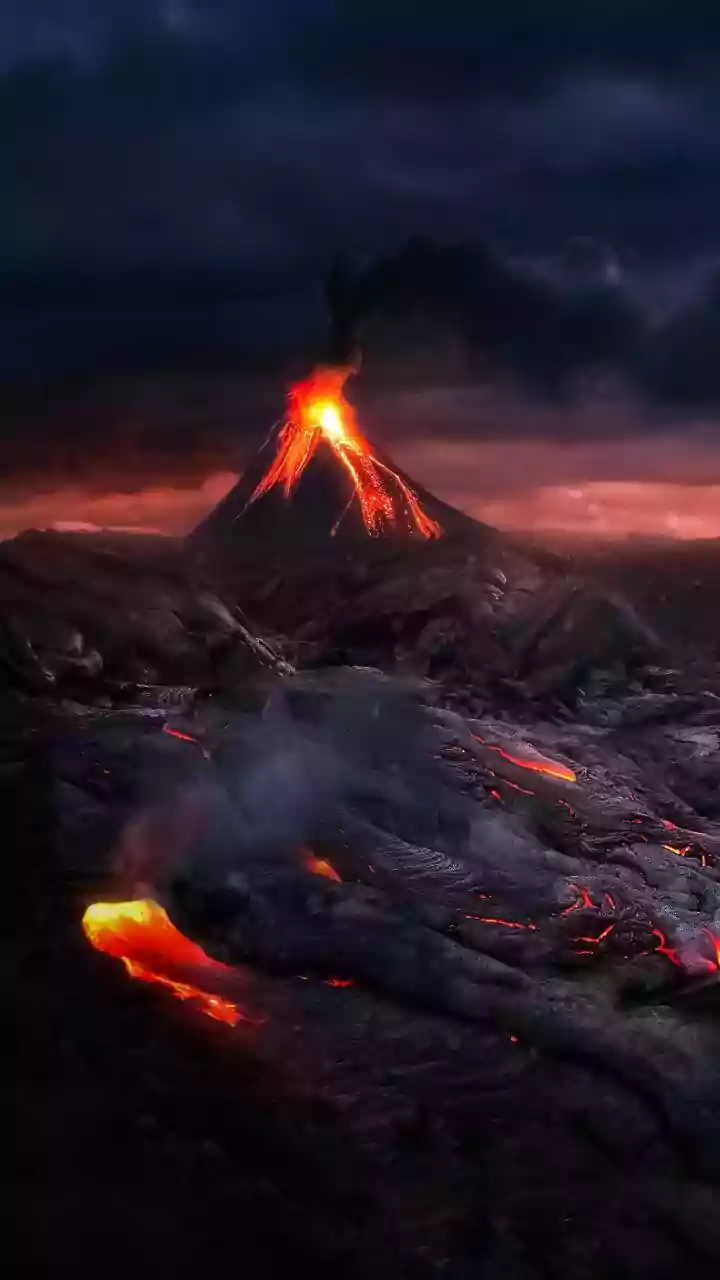
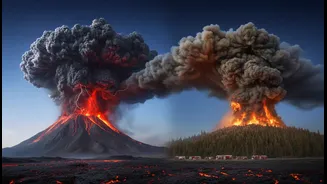
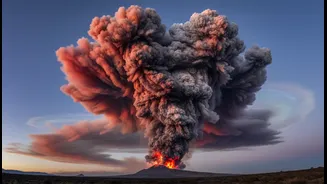
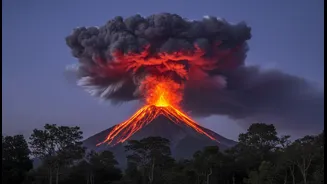
Recent findings are challenging this long-held view. Research analyzing data since 2005 has identified moderate volcanic eruptions and, crucially, extreme wildfires as major, previously underappreciated drivers of stratospheric moisture. Events like the massive Australian bushfires in 2019-2020 and large fires in Canada have been shown to create fire-induced thunderstorms, known as pyrocumulonimbus (pyroCb) clouds. These powerful weather events act like elevators, punching through the tropopause and injecting huge quantities of smoke, ash, and water vapor directly into the normally arid stratosphere. This process effectively bypasses the cold trap, delivering moisture payloads that can linger and spread for months, impacting the atmosphere on a hemispheric scale.
How It Rewrites the Climate Equation
The mechanism is twofold. For both volcanoes and wildfires, the sulfate and carbon particles they eject into the upper atmosphere absorb sunlight, warming the surrounding area. This warming of the tropopause makes the cold trap less effective, allowing more water vapor to seep into the stratosphere. Wildfires have an additional, more direct impact. The intense heat of a megafire can generate its own weather system, with pyrocumulonimbus clouds physically transporting water vapor and smoke particles upwards in a process called "self-lofting". Studies have found this has a measurable impact; between 2005 and 2021, these events accounted for a significant portion—about 36%—of the observed increase in stratospheric water vapor, a contribution comparable in scale to that caused by global surface warming.
The Ripple Effect for Climate Models
This discovery has profound implications for the climate models that scientists rely on to forecast future warming and weather patterns. Current models have struggled to fully account for the variability in stratospheric water vapor. By not fully incorporating the significant, and increasingly frequent, injections from extreme wildfires, models may be underestimating a key feedback loop. As the planet warms, wildfires are becoming more frequent and intense, creating a potential cycle: warming leads to more fires, which lead to more water vapor in the stratosphere, which in turn leads to more warming. This feedback isn't just about temperature; the added particles and chemical reactions also affect ozone concentrations, with some studies showing smoke particles can erode the ozone layer.
Toward a More Accurate Future
Recognizing the role of these events is a major step toward refining our climate projections. Scientists are now working to better integrate the effects of pyrocumulonimbus events and moderate volcanic eruptions into global climate models. This will help create a more accurate picture of Earth's energy balance, atmospheric chemistry, and future climate trajectory. It underscores that the climate system is a web of complex, interconnected processes, where dramatic events on the ground can have surprising and long-lasting consequences miles above our heads. Understanding these connections is crucial for accurately predicting the challenges of a warming world and developing strategies to mitigate its impacts.