





The Seductive Scroll
Social media has fundamentally changed how we travel. Influencers and content creators have become powerful, shaping travel trends and inspiring millions to explore new destinations. Their carefully curated feeds present a world of aesthetic perfection,
where every location is a potential backdrop for a viral reel. This has driven tourism to previously remote spots, but it comes with a significant blind spot. The pursuit of the 'perfect shot' often ignores seasonal dangers and logistical realities. An influencer's job is to create aspirational content; it is not to provide a comprehensive safety briefing or a real-time risk assessment. This creates a dangerous gap between the curated fantasy online and the unpredictable reality on the ground, especially in regions prone to extreme weather.
An Unforgiving Reality
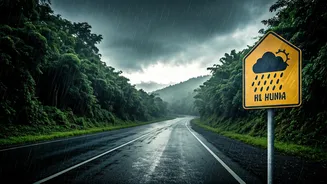
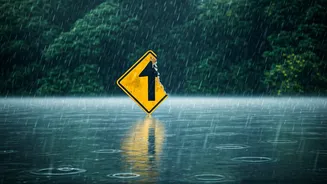
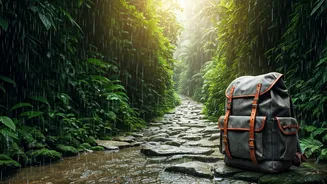
Monsoon in the Indian Himalayas is a time of dramatic beauty and immense risk. For tourists, the allure of rain-washed landscapes can obscure the grave dangers of landslides, flash floods, and collapsing roads. Recent advisories from the India Meteorological Department underscore this peril, with heavy rainfall alerts issued for states like Uttarakhand and Himachal Pradesh. As recently as early July 2026, the IMD has put several districts in Himachal on orange alert, warning that the monsoon will remain active for weeks and cautioning against the high risk of landslides and mudslides. Authorities have had to rescue pilgrims and tourists stranded by washed-out bridges and roads. These are not isolated incidents but a predictable pattern during monsoon, where infrastructure is pushed to its limits precisely when the terrain is most vulnerable.
A Tale of Two Feeds
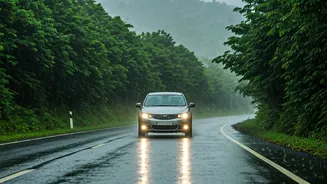
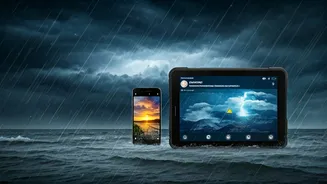
This brings us to a critical choice every traveller must make: whose information do you trust? On one hand, you have the influencer itinerary, optimized for stunning visuals and high engagement. Its primary motive is to sell a dream. On the other hand, you have the IMD alert, a product of scientific modelling and data analysis, optimized for one purpose: public safety. While one promises an unforgettable trip, the other might advise you to cancel it. The conflict is clear. An influencer might showcase a beautiful drive to Manali, but the IMD warns of landslides along that very route. Following the influencer might get you the photo, but listening to the IMD will keep you safe. In this contest, there can be no debate. A weather warning must always supersede a travel reel.
Travel Smarter, Not Harder
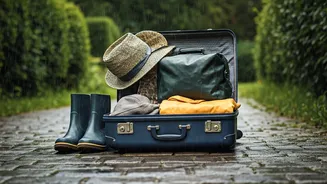
This is not an argument against travel or seeking inspiration online. Instead, it is a call for a fundamental shift in how we plan our journeys. Responsible tourism begins before you even pack your bags. It means integrating official sources into your planning process. Check the IMD website for forecasts and warnings. Read advisories from state disaster management authorities. Keep your itinerary flexible, with buffer days built in, especially when travelling to mountainous regions during monsoon. Understand that in a battle between your travel plans and Mother Nature, nature is undefeated. Acknowledging the risks and preparing for them is the hallmark of a smart traveller, not a fearful one. The goal is to return with stories and photos, not to become a cautionary tale and a subject of a rescue operation.